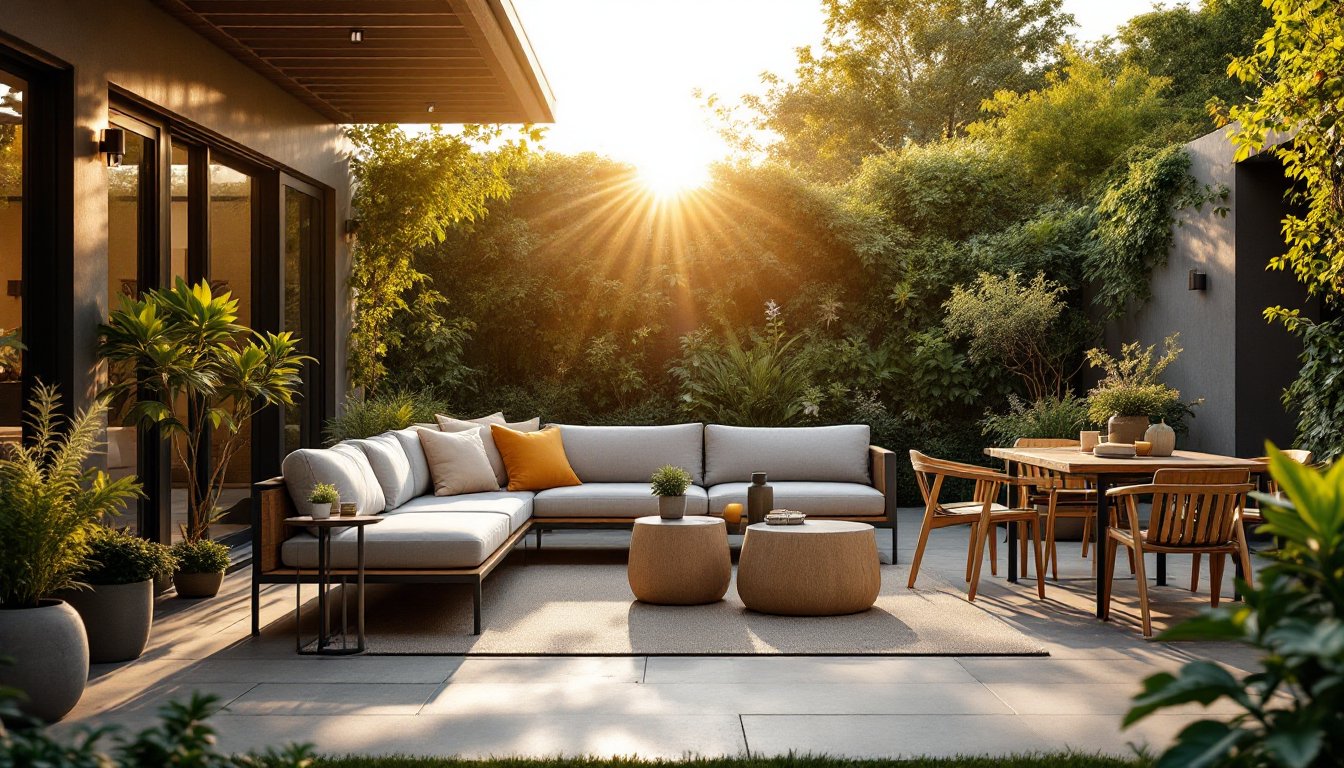
Your patio is an extension of your home, a place where family gathers, friends relax, and you escape the everyday. Yet many homeowners leave their outdoor spaces underdeveloped, settling for whatever budget seating they grab on clearance. The right patio furniture design doesn’t just improve comfort: it transforms how you actually use that space. In 2026, modern patio furniture designs blend durability, functionality, and clean aesthetics to create outdoor rooms that feel intentional and inviting. Whether you’re starting from scratch or refreshing tired seating, understanding the styles, materials, and smart design choices available will help you create an outdoor living area that works as hard as it looks good.
Table of Contents
ToggleKey Takeaways
- Modern patio furniture designs in 2026 combine durability, functionality, and clean aesthetics to transform outdoor spaces into intentional living areas that work as hard as they look.
- Minimalist and industrial patio furniture styles offer practical, weather-resistant options—teak and aluminum resist weathering while low-profile designs reduce maintenance and visual clutter.
- Solution-dyed acrylic fabrics like Sunbrella and composite tabletops outperform traditional materials outdoors, resisting fading and water damage while requiring minimal upkeep.
- Proper comfort dimensions—16 to 22-inch seat depth, 24 to 26-inch armrest height, and 4 to 6-inch thick cushions—ensure guests stay comfortable for extended periods.
- Multi-functional patio furniture such as modular sectionals, storage benches, and expandable tables maximize small spaces while maintaining style and flexibility.
- Strategic shade structures and wind blocks dramatically extend usable patio hours by managing sun exposure and airflow without expensive additions.
Contemporary Patio Furniture Styles That Define Modern Living
Minimalist Designs for Clean, Functional Spaces
Minimalist patio furniture prioritizes clean lines, open space, and purposeful design. Think low-profile sofas with minimal framing, simple metal or wood tables without ornate details, and slatted seating that reduces visual weight. This style works especially well on smaller patios or urban decks where you need breathing room.
The appeal lies in practicality: fewer crevices mean easier cleaning, simpler construction means fewer weak joints to fail, and neutral colors (charcoal, gray, natural wood tones) pair with almost any garden aesthetic. Look for slatted designs in teak or aluminum, both resist weathering naturally and look better as they age. A minimalist sectional with no skirts or unnecessary padding still seats a family comfortably while maintaining that uncluttered feel.
One caution: minimalist doesn’t mean uncomfortable. Pair sleek frames with quality cushions (more on materials below) and ensure seat depth is at least 16 to 18 inches, too shallow and your guests’ legs dangle awkwardly.
Industrial and Modern Aesthetics
Industrial patio designs mix raw materials like steel, concrete, and reclaimed wood. Exposed metal frames, concrete side tables, and wooden pergolas create that warehouse-meets-garden vibe that’s been popular for years and isn’t fading soon. These pieces feel honest and substantial, they’re built to last and age with character.
The challenge is balance. Industrial can feel cold without warmth from wood tones, textiles, and greenery. A steel-frame sectional pairs well with warm-toned cushions and a wooden dining table top. Concrete planters and accent tables ground the space without making it feel like a construction site. According to contemporary design trends, modern furniture design increasingly emphasizes this blend of raw and refined, steel legs on live-edge wood tops, for example. This hybrid approach is more forgiving than pure industrial and works in almost any neighborhood style.
Materials and Durability: Choosing What Works Best for Your Patio
Weather-Resistant Fabrics and Finishes
Outdoor fabrics have come a long way. Solution-dyed acrylic and polyester blends (brands like Sunbrella) don’t absorb water like cotton does: dyes are locked into the fiber, so fading happens slowly and UV resistance is built in. These fabrics feel soft and look great but cost more upfront, expect to spend 40% to 60% more than conventional upholstery.
For wood, teak is the gold standard. Its natural oils repel moisture and resist rot, and it doesn’t need sealing (though annual cleaning maintains appearance). Cumaru and ipe are harder, splinter-resistant alternatives that cost less than teak but still last 15+ years outdoors. Pressure-treated lumber works for structural elements like pergolas but weathers to gray and isn’t typically used for seating.
Aluminum and steel frames are lightweight and strong. Powder-coated finishes resist rust far better than bare metal, and the coating comes in matte, satin, or glossy finishes depending on the look you want. Check that welds are smooth and hardware is stainless steel: cheap bolts corrode and stain fabric below.
Stone or composite tabletops don’t rot, warp, or stain like wood can. Engineered stone looks similar to granite but costs half as much and requires zero maintenance. Composite decking material (made from wood fibers and resin) shows up in patio tables and benches too, no splinters, no rot, and they feel more natural underfoot than pure plastic.
Moisture is your enemy outdoors. Cushion covers should have zippers for removal and cleaning, and the foam core should drain quickly. If water sits in cushions, mold grows in weeks. Store cushions indoors or in sealed containers during winter or extended rain.
Space-Saving and Multi-Functional Furniture Solutions
Not every patio is sprawling. Apartments, townhouses, and urban homes often have modest outdoor space, so smart design means every piece earns its place. Modular sectionals let you configure seating to fit odd-shaped spaces and add or remove pieces as your needs change. Some fold or nest for winter storage.
Consider storage benches that double as seating, built-in compartments hold cushions, gardening tools, or pool toys while keeping clutter off the deck. Side tables that expand or nest together maximize flexibility without permanently eating up square footage. A fold-down wall-mounted table can serve as a workspace or dining surface and disappear when not needed.
Speaking of dining, table styles matter. A trestle-style base instead of a pedestal leaves room to pull chairs closer without bumping legs underneath. Drop-leaf or expandable tops stretch from 36 inches to 48 inches, perfect for everyday use but room for guests on weekends. Check that the locking mechanism is sturdy: wobbly expanded tables are a safety hazard.
Yards with kids benefit from lightweight chairs and low-profile furniture that’s easy to move and rearrange for games or activities. Avoid furniture with sharp corners or small gaps where toys can get stuck. Outdoor rugs define zones in open spaces and add warmth and color without taking up room.
Creating Comfort Without Compromising Style
Comfort is where theory meets reality. A beautiful sectional that leaves your guests numb after 20 minutes has failed its job. Seat height should be 16 to 18 inches, standard chair height, so people’s feet touch the ground and legs don’t cut off circulation. Seat depth of 18 to 22 inches accommodates different body sizes without feeling cramped.
Armrest height matters too. At 24 to 26 inches from the ground, armrests work for holding a drink or resting your arm while sitting. Too low and they’re useless: too high and they’re clunky. Test seating in person if possible, online photos don’t show how your body actually sits.
Backrest angle affects support. Upright backs (80 to 90 degrees) suit dining chairs and conversation seating. Reclined backs (95 to 110 degrees) encourage lounging, ideal for sectionals and chaise lounges. Some modern pieces offer adjustable backs that tilt to match different moods.
Cushion thickness matters more than density. 4 to 6 inches thick feels substantial without becoming a marshmallow that collapses after one season. High-density foam (rated 2.0 to 2.5 per cubic foot) holds shape longer than budget grades. Natural materials like wool blend into the foam instead of clumping: some newer cushions use recycled plastic bottles compressed into dense cores.
Shadow and sun exposure shape daily comfort. A pergola with adjustable louvers or shade cloth keeps afternoon sun off seating while letting morning light through. Wind blocks (trellises or strategic plantings) reduce that nagging breeze that ruins lounging. These design layers cost nothing in material but save thousands in air conditioning and increase the hours your patio stays livable. Southern outdoor living spaces often showcase how regional design accounts for intense sun and humidity, lessons that apply across climates.