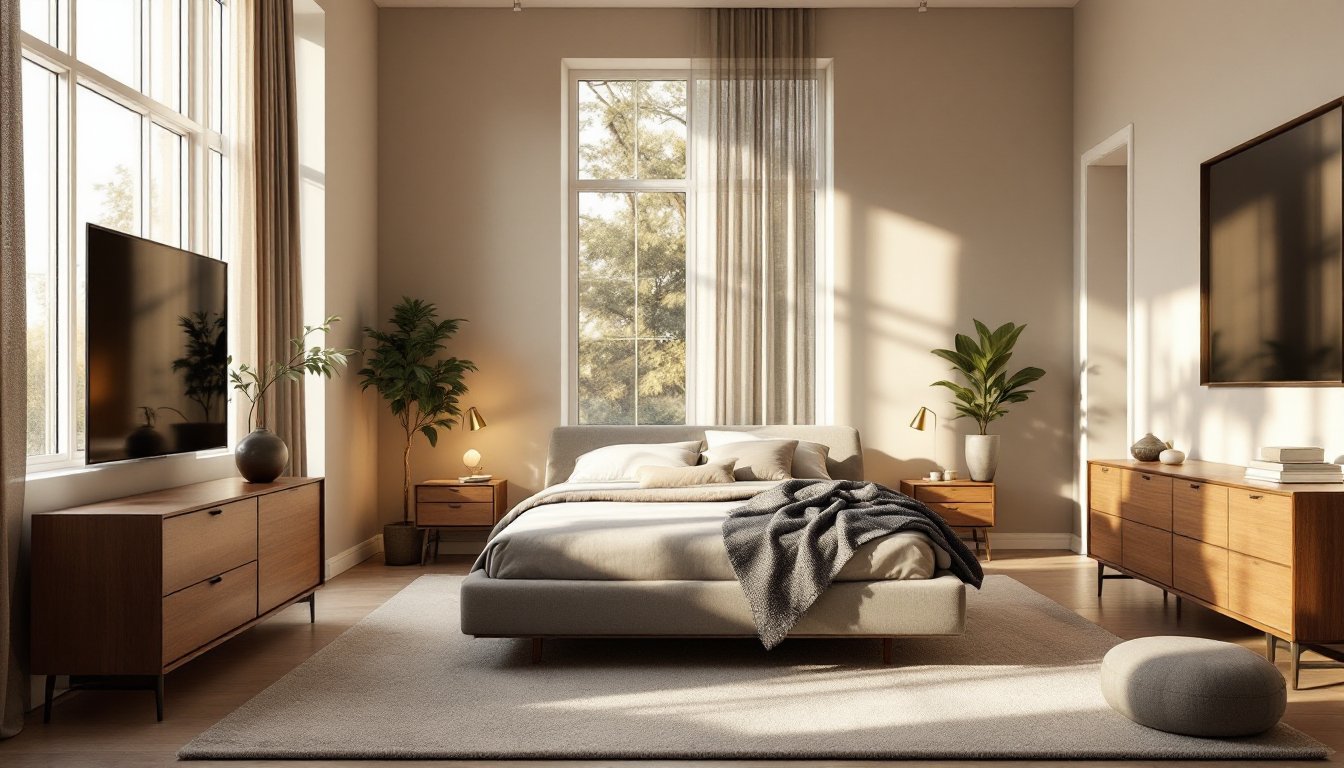
A king-size bedroom is the ultimate luxury, but only if the furniture works with the space, not against it. With a king bed anchoring your room, you’re committing to bold, thoughtful design choices that either make the space feel like a sanctuary or cramped and cluttered. Whether you’re starting from scratch or refreshing an existing room, the right king furniture pieces create balance, maximize functionality, and turn a bedroom into a place you actually want to be. This guide walks you through selecting styles, arranging pieces smartly, and keeping your investment protected for years to come.
Table of Contents
ToggleKey Takeaways
- A king furniture bedroom requires strategic layout with at least 3 feet of clearance on both sides of the bed and proper nightstand placement 12–18 inches from the mattress edge for comfort and functionality.
- Invest in a quality mattress ($500–$1,500) and mid-range bed frame ($300–$800) as your foundation, then build your king bedroom furniture collection over time to avoid unnecessary spending.
- Choose a unifying design aesthetic—whether modern minimalist, mid-century modern, or farmhouse—and stick to it across your king bedroom pieces to create a cohesive, intentional look.
- Protect your investment with regular maintenance: dust and condition solid wood annually, rotate mattresses every three months, and use mattress protectors to extend furniture lifespan to 10–20 years.
- Mixed-and-match furniture from different brands works beautifully for king bedrooms if pieces share a consistent color palette and finish, allowing budget flexibility without sacrificing style.
Understanding King Bedroom Furniture Styles and Materials
King bedroom furniture comes in countless styles, but understanding the core aesthetics and materials helps narrow your choices. The bed frame itself sets the tone, a low-profile platform bed reads modern and minimalist, while an upholstered frame or wood sleigh bed adds traditional warmth. Materials matter too: solid hardwood (oak, walnut, cherry) ages beautifully but costs more: engineered wood or composite materials offer budget-friendly durability: and metal frames work well for industrial or mid-century modern looks.
Popular Design Aesthetics for Modern Bedrooms
Modern Minimalist keeps lines clean, colors neutral, and the room uncluttered. Think low beds, sleek nightstands, and storage that hides away. Mid-Century Modern blends retro vibes with function, tapered legs, warm wood tones, and geometric shapes. Farmhouse or Rustic embraces reclaimed wood, wrought iron, and warm neutrals for a cozy, lived-in feel. Contemporary is flexible: it borrows from other styles but emphasizes quality materials and thoughtful proportion. When browsing bedroom furniture stores, you’ll notice most king sets combine a bed frame, dresser, and nightstands. The style you choose should reflect how you actually live, not an Instagram fantasy you’ll abandon by month three. Solid wood holds value and improves with age, while upholstered beds need fabric that resists staining, performance fabrics designed for high traffic are worth the extra cost.
Essential King Bedroom Furniture Pieces You’ll Need
A functional king bedroom starts with the non-negotiables, then builds from there.
Beds, Nightstands, and Storage Solutions
The bed frame is the centerpiece. A standard king mattress is 76 inches wide by 80 inches long, make sure your frame accommodates it properly. A bed frame with built-in storage drawers (sometimes called a storage platform bed) solves the “where do I put things” problem without eating more floor space. Nightstands flank the bed and should be roughly the same height as the mattress top (28–30 inches). Two identical nightstands balance the room: a single nightstand on one side works if space is tight or your room layout demands it. A dresser provides daily storage and often serves as your TV stand (though purists will say phones don’t belong in bedrooms, fair point). A chest of drawers or cedar chest adds vertical storage without requiring wall length. Modern bedroom furniture often includes integrated storage, shelving built into headboards, under-bed systems, or wall-mounted cabinets that double as decor. For king bedrooms, aim for at least one major storage piece beyond the nightstands to avoid a cluttered look. If you have small kids, avoid furniture with sharp corners or heavy glass tops, safety first, aesthetics second. Upholstered headboards in leather or linen add softness and reduce noise from bumps and movement, especially if your bed sits against a wall.
How to Layout and Arrange King Furniture for Maximum Comfort
Layout makes or breaks a king bedroom. Start by measuring your room wall-to-wall and door swing. A king bed needs at least 3 feet of clearance on both sides for comfortable movement and making the bed. If your room is smaller (say, 10 × 12 feet), centering the bed on one wall and keeping other pieces minimal works better than pushing furniture into corners where it gets lost.
Place nightstands within arm’s reach of the bed, typically 12–18 inches from the mattress edge. If using a dresser as a TV stand, position it across from the bed at a natural viewing distance (about 8–10 feet for a 55-inch TV, 6–8 feet for a 43-inch). Avoid blocking windows or heating vents with large furniture. An area rug anchors the bed, the ideal rug size for a king bed is typically 8×10 feet, positioned so the bed legs sit partially on it. Floating the bed (not pushing it flush against a wall) creates visual depth and makes the room feel larger, though it only works if your layout allows passage on both sides. Wall-mounted shelving or floating nightstands free up floor space in smaller rooms and give an airy, modern feel. Arrange seating (if you have a chair or bench at the foot of the bed) to face the bed or a window for a cozy reading nook.
Budget-Friendly Tips for Furnishing a King Bedroom
A complete king bedroom doesn’t require a second mortgage. Start with one investment piece, usually the bed frame and mattress, since you’ll spend 8+ hours a night there. Everything else can build over time. Discount bedroom furniture retailers offer solid basic pieces: the trick is knowing which corners to cut and which to never skimp on. A quality mattress ($500–$1,500) outlasts three cheap ones and affects your sleep directly. A mid-range bed frame ($300–$800) is fine if the joinery feels solid and it supports your mattress properly. Nightstands and dressers from budget brands work if they’re not load-bearing elements meant for heavy use, look for solid shelving, smooth drawers, and sturdy legs. Mixed-and-match furniture works beautifully if you choose a unifying color palette. Buying a bed frame from one brand, a dresser from another, and nightstands from a third creates an eclectic, curated feel if everything shares warm wood tones or a similar finish. Stores like IKEA offer surprisingly durable bedroom pieces at low price points, though assembly requires time and patience. Patience and plan, don’t buy everything at once out of desperation. Live with your bed and mattress for a month, then add a dresser, then nightstands. You’ll discover what you actually need versus what you think sounds nice. Second-hand solid wood furniture from estate sales or Facebook Marketplace often outlasts new composite pieces at a fraction of the cost. Check bedroom furniture near me for local deals and the chance to inspect quality before buying.
Maintaining and Protecting Your King Bedroom Furniture
Once you’ve invested in king furniture, keep it looking good. Solid wood benefits from occasional dusting and annual conditioning with furniture wax or oil, not linseed oil (it darkens over time), but products like linseed or tung-based finishes made for furniture. Wipe spills immediately to prevent water stains. Upholstered headboards and frames need vacuuming monthly and spot-cleaning with fabric cleaner when accidents happen: use a damp cloth, not soaking wet. Mattresses should be flipped or rotated every three months to prevent uneven wear and sagging. A mattress protector (waterproof, machine-washable) costs $30–$100 and saves your investment from spills, sweat, and dust mites. Drawer glides slide better if you dust underneath and around them. Don’t overload drawers, furniture designers expect drawers to hold clothes, not encyclopedias. Move your bed away from windows during winter to reduce moisture damage from condensation. In damp climates, consider a bedroom dehumidifier to protect wood finishes. UV damage fades stain and finishes, so draw curtains or install blackout shades if sunlight streams directly on your furniture. A small investment in protective habits now means your king furniture lasts 10–20 years instead of 5–7.