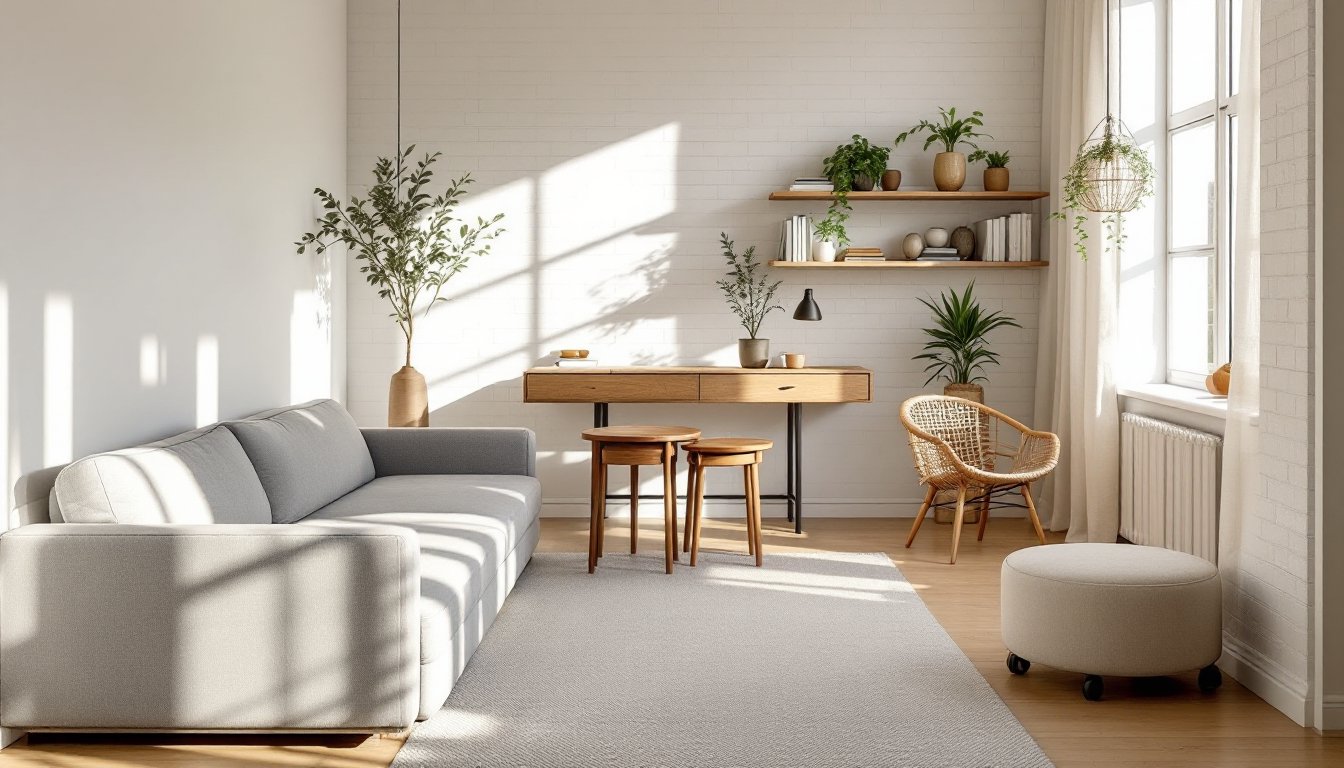
Studio apartments demand furniture that works twice as hard. A single room serves as bedroom, living room, kitchen, and sometimes office, so every piece needs to justify its footprint. The good news? You don’t need to sacrifice comfort or style. Smart furniture choices that prioritize multi-function, vertical storage, and right-sized proportions can transform a cramped 400-square-foot box into a space that actually feels livable. This guide walks you through the practical selections that make small-space living feasible and even enjoyable.
Table of Contents
ToggleKey Takeaways
- Multi-functional furniture for studio apartments must earn its footprint by serving double or triple duty—sofa beds, nesting tables, and convertible seating are essential investments that maximize limited space.
- Quality matters for convertible pieces: invest $600–$1,200 in a sofa bed with hand-tied springs and a 5- to 8-inch foam mattress rather than cheap alternatives that require replacement in just three years.
- Vertical storage solutions like floating shelves, wall-mounted desks, and storage ottomans reclaim floor space and prevent studio apartments from feeling cramped.
- Strategic furniture placement—using sofas as dividers, floating pieces away from walls, and keeping clear 24-inch pathways—makes small spaces feel larger and more functional.
- Choose right-sized pieces with careful proportions: opt for 30–32-inch sofa depths, full beds instead of queens, and low-profile furniture with exposed legs to enhance visual flow and breathing room in your studio apartment.
Multi-Functional Pieces That Earn Their Place
In a studio, furniture that does one thing is a luxury you can’t afford. Every item should pull double duty, or ideally triple duty. This isn’t about cramming a murphy bed and a sofa into the same footprint: it’s about choosing pieces designed from the ground up to serve multiple purposes without feeling like a compromise.
Sofa Beds And Convertible Seating
A quality sofa bed is the workhorse of studio furniture. During the day, it’s your seating: at night, it becomes your bed. The trick is not settling for a cheap pull-out that feels like sleeping on a metal cage.
Look for frames built on eight-way hand-tied springs or sinuous (S-shaped) springs rather than basic mesh. The mattress should be at least 5 inches thick, preferably 6 to 8 inches, so you’re not waking up on support beams. Memory foam or high-density foam will last longer than cheap polyester batting. Expect to spend $600–$1,200 for a reliable queen-size sofa bed: skimping here means replacing it in three years.
Alternatives to full sofa beds exist. A daybed with a quality mattress and throw pillows works in corners and can anchor a sleeping nook. A love seat paired with a separate low-profile storage ottoman (that flips open to reveal a thin mattress) offers flexibility for smaller spaces. Some people use a futon frame with a quality cotton-and-foam mattress, not the plastic-covered particle-board versions, but actual hardwood and decent cushioning.
One honest note: convertible seating requires daily setup and breakdown. If you live alone and don’t entertain, this might work fine. If you have regular guests or a partner, the logistics get old fast.
Nesting Tables And Expandable Surfaces
A single bulky coffee table eats floor space. Nesting tables, typically sold as sets of two or three, stack compactly but pull apart when needed. Use them as coffee tables, side surfaces, or plant stands. When you host someone, spread them out and suddenly you’ve got flexible surface space.
Expandable dining tables deserve serious consideration too. A 36-inch round or 24×36-inch rectangular table fits tight kitchenettes. Models with butterfly leaves or slide-out extensions grow to 48 or 60 inches when you need them. Pair it with stackable chairs (plastic resin, bentwood, or folding bistro chairs) that tuck away when guests leave.
Console tables that double as desks also work well. A narrow 12×48-inch console against a wall becomes a workspace, entryway catch-all, or bar surface without consuming the room. Some have fold-down tops or hinged leaves that expand the usable surface.
Smart Storage Solutions To Maximize Every Square Foot
Where you put things is as important as what you buy. Studios lack closet space, so furniture-based storage becomes essential.
Vertical Organization And Wall-Mounted Options
Stop thinking horizontally. Install floating shelves above your desk, nightstand, or seating area. Shelving strips rated for 30–50 pounds per shelf work fine for books and décor: heavy items like stacked jeans need heavier-duty wall anchors. Stud-finding and securing into studs is always your strongest option.
Wall-mounted desks take up zero floor space and fold up when not in use. A 24-inch depth is standard and feels adequate even when cramped. Pair it with a rolling cart (with locking casters) that slides under the desk and holds office supplies, then wheels into a closet.
Storage ottomans are quiet MVPs. They function as seating, footrests, and hidden storage for blankets, seasonal clothes, or shoes. Choose ones with solid wood frames and quality fabric, not flimsy cardboard construction that sags after six months. Discount Bedroom Furniture: Transform can offer affordable options without sacrificing durability.
Over-the-door organizers for shoes, accessories, or pantry items reclaim inches you didn’t know you had. Under-bed rolling drawers (low-profile, not tall boxes) store off-season clothing without blocking walkways.
Sources like IKEA Hackers show creative ways to repurpose inexpensive shelving and storage systems. Stackable cubes, tension rods, and baskets can turn a blank wall into efficient, attractive storage that doesn’t scream “cramped apartment.” Apartment Therapy offers small-space layouts and storage solutions worth studying.
Layout Strategies For Studio Apartment Furniture
Placement is strategy, not just aesthetics. Poor layout shrinks an already small room: smart arrangement makes it feel bigger and more functional.
Define zones without walls. Use your sofa as a room divider between living and sleeping areas. Angle a bookshelf perpendicular to the wall to create a subtle boundary. These visual separations help your brain compartmentalize the space, making each area feel intentional rather than jumbled.
Keep pathways clear. Arrange furniture so you can move from the entrance to the bedroom to the kitchen without an obstacle course. A cluttered sightline makes a room feel smaller. Plan at least a 24-inch walking path through your main living areas.
Float furniture away from walls. This sounds counterintuitive in a small space, but a floating sofa actually makes the room feel larger because you’re not pushing everything to the perimeter. It also lets you use the wall behind or beside the sofa for additional storage or décor.
Use corners strategically. Corner shelving, a corner desk, or an L-shaped seating nook maximizes dead space. Modern Bedroom Furniture: Transform designs often incorporate corner pieces and sectional options tailored to tight footprints.
Keep vertical sight lines open. Tall bookcases draw the eye upward, making ceilings feel higher. Avoid piling bulky storage chests around the perimeter: go up instead of out.
Scale And Proportion: Choosing The Right Sized Pieces
A full-size sleeper sectional might be physically possible in your studio but wrong for the space. Furniture scale is about proportion, not just dimension.
Measure your actual space first. Sketching a floor plan with dimensions prevents painful mistakes. A 36-inch sofa depth is standard but consumes significant legroom in a tight studio. Look for 30 to 32-inch depths to stay proportional. Arm heights matter too: lower arms (8–10 inches) feel less imposing than high arms (12–14 inches).
Bed size is another crucial decision. A full bed (54×75 inches) works in studios better than a queen (60×80 inches). It’s still comfortable for one person and leaves more floor space. If you share the bed, a queen is non-negotiable, but plan the room around it from the start.
Choose nightstands wisely. Two small tables flanking a bed look balanced: a single tall dresser can work but leaves one side bare. Consider a wall-mounted shelf on one side (20 inches wide) and a slender nightstand on the other. Each serves the bed without eating precious floor space.
Dining tables should be modest. A 36-inch round or 30×48-inch rectangular table seats four comfortably and doesn’t dominate the room. Anything larger feels intrusive in a studio. Dwell showcases compact dining solutions and small-space design strategies worth reviewing for inspiration.
Low-profile pieces breathe space. Furniture with exposed legs (rather than solid bases) lets light and air flow underneath. This optical trick makes the room feel less crowded. Black Bedroom Furniture: Elevate and Bedroom Furniture: Transform styles often employ this principle with platform beds and sleek tables.