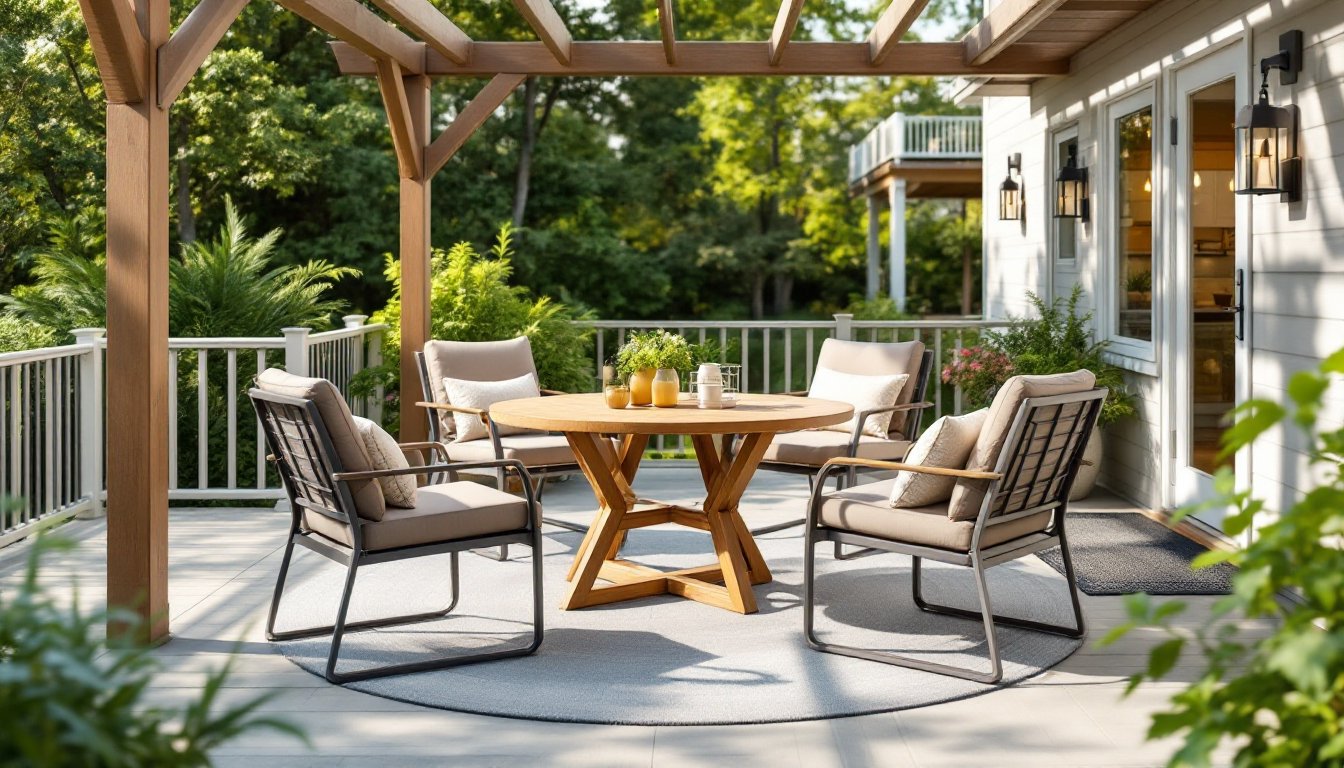
Circular patio furniture has become a go-to choice for homeowners looking to create functional, stylish outdoor spaces. Whether you’re furnishing a small balcony or redesigning an expansive deck, round tables, chairs, and loungers offer visual flow and practical advantages that rectangular pieces often can’t match. The shape naturally encourages conversation, maximizes sightlines, and works with both contemporary and traditional aesthetics. If you’re considering circular patio furniture for your next outdoor project, this guide walks you through everything from material choices to spacing strategies so you can make informed decisions that fit your space and lifestyle.
Table of Contents
ToggleKey Takeaways
- Circular patio furniture creates visual flow and eliminates sharp corners, making outdoor spaces feel larger while taking up roughly 30% less visual real estate than equivalent rectangular pieces.
- A 48-inch round dining table is the ideal sizing for most residential patios, comfortably seating four with space for serving pieces and allowing at least 36 inches of clearance around the edges.
- Material selection is critical for durability—teak and hardwoods age beautifully with minimal maintenance, while aluminum, synthetic wicker, and composite materials offer budget-friendly, low-maintenance alternatives for varying climates.
- Proper spacing between grouped circular furniture pieces (12–18 inches between a coffee table and chair arms) maintains comfort and visual flow without creating collision hazards.
- Weekly cleaning with mild soap and a garden hose, combined with seasonal prep including cushion storage and frame inspection, ensures circular patio furniture remains a long-term investment in outdoor comfort.
- Layering multiple circular accent tables and ottomans in larger patios creates secondary gathering zones, while pergolas or shade structures frame dining tables beautifully and tie furniture clusters together intentionally.
Why Circular Patio Furniture Works for Your Outdoor Design
Space-Saving Benefits and Flow Advantages
Circular furniture creates visual continuity and makes spaces feel larger by eliminating the visual obstruction of sharp corners. A round table, for example, allows you to position chairs at any angle without wasted legroom, everyone has equal access and an unobstructed view across the table. This layout encourages a more intimate gathering dynamic compared to linear seating arrangements.
Round pieces also adapt better to awkward lot shapes and curved patios. If your deck wraps around a pool or follows the natural curve of your property line, circular furniture aligns naturally with those contours rather than fighting them. Also, round tables take up roughly 30% less visual real estate than equivalent rectangular surfaces while seating the same number of people, making them ideal for compact patios, narrow balconies, or transitional spaces where you don’t want furniture to dominate.
Types of Circular Patio Furniture to Consider
Round dining tables remain the most popular choice and come in diameters from 36 inches (seats 2–3) to 60 inches (seats 6–8). A 48-inch table is the sweet spot for most residential patios, seating four comfortably with space for serving pieces. Smaller café-height tables work well for tucking into tight corners or creating intimate conversation areas.
Circular coffee tables anchor lounge groupings and pair beautifully with sectionals or facing chairs. These typically range from 24 to 42 inches in diameter and serve both functional and aesthetic roles. Recent collections featured on curated outdoor coffee table selections showcase durable metal frames paired with concrete, teak, or composite tops, all weather-resistant choices.
Round lounge chairs and swivel seats have surged in popularity for poolside and deck settings. These oversized, cushioned pieces create a spa-like retreat and often include rotation features for flexible positioning. Round ottomans and poufs add flexibility to modular seating layouts, functioning as extra seating, footrests, or side tables depending on the moment.
Barrel chairs, fire pits with seating, and curved banquettes also fit the circular family and work well for creating layered outdoor rooms. Fire pit seating, in particular, naturally gravitates toward a round arrangement, making those tables a practical anchor for evening entertaining.
Choosing the Right Material and Finish
Material selection directly impacts durability, maintenance demands, and how your furniture handles sun, rain, and seasonal temperature swings.
Teak and hardwoods are premium choices that age beautifully, developing a silvery-gray patina over time. They’re naturally rot-resistant and require minimal maintenance, just occasional water rinsing. Expect to pay a premium, but these pieces often outlast several plastic-based alternatives.
Aluminum frames with cushions or solid tops offer lightweight durability and won’t rust. Powder-coated finishes resist fading and chipping. They’re affordable and practical for climates with heavy moisture.
Wicker and rattan provide warmth and texture but need all-weather synthetic versions for outdoor use. Real wicker absorbs moisture and degrades: synthetic wicker mimics the look while withstanding UV exposure and rain without deteriorating.
Composite materials (plastic lumber blended with wood fibers) don’t rot, splinter, or require staining, making them zero-maintenance. They’re heavier than aluminum and less aesthetically refined than teak, but they’re reliable and budget-friendly.
Concrete and stone tops on metal frames create modern, sculptural appeal and handle all weather conditions. They’re heavy, so installation may require extra labor, but they’re virtually indestructible. Seal concrete annually to prevent staining and moisture intrusion.
For cushions, choose outdoor-grade fabrics rated for UV resistance and moisture wicking. Sunbrella and similar brands resist fading and mildew far better than indoor upholstery. Store cushions indoors during winter or heavy rain if possible: even water-resistant fabrics benefit from occasional breaks.
Sizing Your Circular Furniture for Maximum Comfort
Proper sizing ensures your circular pieces fit the space logically and allow comfortable movement around and through the area.
Table height should be 28–30 inches for standard dining and 16–18 inches for coffee tables. These heights keep proportions balanced with typical chair heights (17–19 inches) and allow leg room without awkward climbing.
Spacing around tables requires at least 36 inches from the table edge to any wall, railing, or neighboring furniture to accommodate comfortable seating and the ability to pull chairs in and out. In high-traffic areas, 48 inches is better. For a round table in a defined patio zone, allow a diameter-plus-6-feet rule of thumb: a 48-inch table ideally sits in a 54-foot-diameter clearance zone, though compact spaces work with 48 inches total.
Spacing between grouped pieces should maintain visual flow. A coffee table paired with lounge chairs works best with 12–18 inches between the table edge and chair arms, close enough for setting drinks but far enough to avoid collision when moving.
Depth and width of circular loungers and chairs usually range from 32–40 inches in diameter: that’s spacious enough for one or two people to recline comfortably without taking up exorbitant real estate. A 36-inch round ottoman fits perfectly beside a standard lounge chair without cramping the zone.
Measure your patio layout before purchasing. Tape out the furniture footprint on the actual deck to confirm sightlines, door clearances, and whether the arrangement feels balanced. This 10-minute step saves you from costly returns or awkward rearrangement.
Design and Style Tips for a Cohesive Outdoor Area
Circular furniture adapts to virtually any aesthetic, from bohemian-inspired gatherings to sleek contemporary decks. The key is consistency in materials, colors, and accents.
Mixed materials work when they share a color family. Pair a teak table with cushioned aluminum chairs in warm neutrals, or combine a concrete-top table with black metal frames and charcoal upholstery for modern sophistication.
Layering creates visual interest without chaos. Round tables serve as primary anchors: float smaller circular accent tables or ottomans nearby to create secondary gathering zones. This technique works especially well in larger patios where a single furniture grouping leaves gaps.
Pergolas and shade structures frame circular tables beautifully, creating a natural ceiling that ties the furniture cluster together. A 12-by-12-foot pergola centered over a 48-inch round dining table feels intentional and intimate.
Color and finish continuity matters. Southern-inspired outdoor spaces often feature white aluminum frames with navy and tan cushions: Southern Living’s approach to outdoor design emphasizes regional materials and welcoming arrangements that can anchor circular tables as focal points. Modern patios lean toward charcoal, black, or natural wood finishes with minimal pattern. Coastal schemes use weathered grays and whites.
Accessories like throw pillows, outdoor rugs, and side tables add personality without disrupting the round theme. Position a circular rug beneath your main table to ground the arrangement and define the zone visually.
Maintenance and Care for Long-Lasting Pieces
Proper maintenance extends the life of outdoor furniture and keeps it looking intentional rather than weathered.
Weekly cleaning involves a rinse with a garden hose and mild soap for most materials. Wood benefits from occasional soft-brush scrubbing to remove mildew or algae growth. Wipe aluminum and metal frames to prevent salt or mineral buildup, especially in coastal or hard-water regions.
Seasonal prep matters significantly. As fall approaches, clean furniture thoroughly, inspect for cracks or damage, and apply fresh sealant or finish if needed. Store cushions indoors or in weatherproof bins during winter months. In spring, inspect frames for rust or corrosion before re-covering with cushions.
Wood treatment: Teak doesn’t require staining but benefits from teak oil applied annually to maintain color and resist drying. Other hardwoods may need periodic sealing depending on the wood species and your climate. Never use pressure washers on wood furniture, they erode fibers and open the grain to moisture infiltration.
Cushion care: Flip and rotate cushions monthly to ensure even wear. Wash covers in mild soapy water and air-dry completely before reinstalling. Check zippers and seams regularly: small repairs now prevent larger damage later. Home improvement and gardening resources at Hunker offer detailed cushion care instructions and seasonal storage tips.
Rust prevention: If your furniture has metal legs or frames, inspect regularly for rust spots, especially in humid climates. Sand off surface rust with fine-grit sandpaper, clean away debris, and apply a rust-preventative coating. Keep powder-coated pieces dry and promptly wipe away standing water.
Circular patio furniture, when properly selected and maintained, becomes a long-term investment in outdoor comfort and style. Start with durable materials suited to your climate, ensure proper sizing for your space, and commit to consistent seasonal care. Your outdoor room will reward you with years of gatherings, relaxation, and the visual appeal that draws people outdoors in the first place.