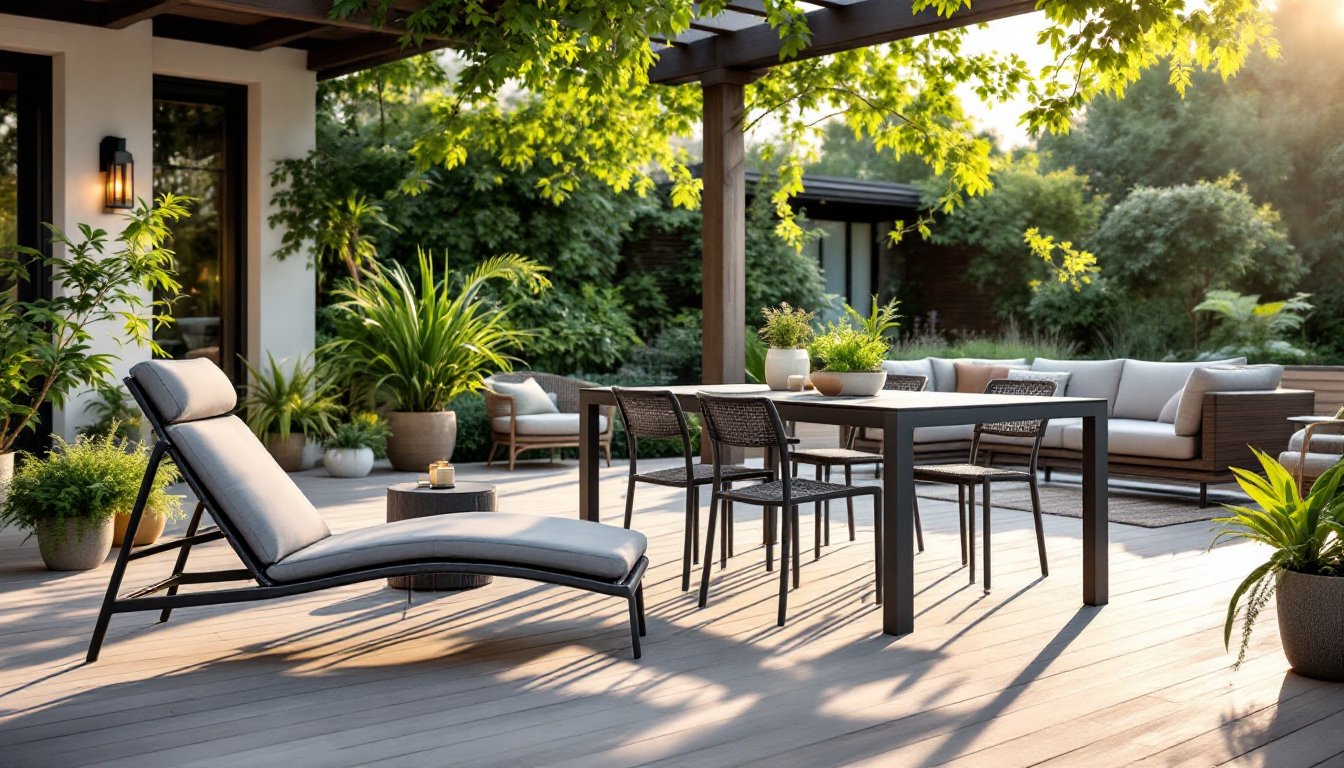
Aluminum outdoor patio furniture has become the go-to choice for homeowners who want durability without constant upkeep. Whether you’re furnishing a small balcony or a sprawling deck, aluminum delivers strength, style, and low-maintenance living that lasts years longer than wood or wicker. Unlike heavier materials that demand seasonal protection or regular refinishing, aluminum weathers everything from intense sun to heavy rain while staying lightweight enough to rearrange on a whim. This guide walks you through why aluminum is the smart choice, what styles work best, how to pick the right pieces for your space, and how to keep your furniture looking fresh with minimal effort.
Table of Contents
ToggleKey Takeaways
- Aluminum outdoor patio furniture resists rust, rot, and UV damage while lasting 15+ years with minimal maintenance, making it a smart long-term investment compared to wood or wicker alternatives.
- A quick rinse with a garden hose removes dust and debris; avoid pressure washers and abrasive scrubbers to protect the powder-coat finish and frame integrity.
- Flat-bar frames, slatted designs, and darker finishes like charcoal and matte black are trending modern styles that balance minimalism with comfort while providing excellent water drainage.
- Measure your patio carefully (accounting for 24-inch walking paths) and choose aluminum frames with 1.5mm or thicker walls for stability, plus quick-dry foam cushions with removable covers.
- Store aluminum furniture with a fitted cover during off-seasons, inspect fasteners seasonally for rust, and budget for cushion replacement every 3–4 years to maintain durability and aesthetics.
Why Aluminum Is the Best Choice for Outdoor Patio Furniture
Durability and Weather Resistance
Aluminum doesn’t rust or rot, which is why it’s the smart long-term investment for any outdoor patio furniture setup. The metal naturally oxidizes to form a protective coating, and modern extrusion techniques make frames strong enough to handle the same weight loads as heavier materials. A typical aluminum tube frame rated for residential use spans 1.5 to 2 inches in diameter, offering rigidity without excess bulk. Unlike steel, aluminum won’t corrode when exposed to salt air near coastlines or freeze-thaw cycles in colder climates, two conditions that break down lesser materials within a few seasons.
UV exposure is another area where aluminum shines. The frames maintain their structural integrity under intense sun, and powder-coat finishes (the standard protective layer applied during manufacturing) resist fading better than paint-only alternatives. High-quality aluminum furniture typically carries a 5–10 year frame warranty, with many pieces lasting 15+ years with basic care.
Low Maintenance and Easy Cleaning
You won’t spend your weekends power-washing or sanding aluminum the way you would with wood. A quick rinse with a garden hose removes dust and debris, and for stubborn grime, warm soapy water and a soft brush do the job. Avoid abrasive scrubbers or harsh chemicals: they can damage the finish. Most homeowners wipe down pieces monthly during the season and call it done.
Unlike cushioned furniture that requires seasonal storage or covers, lightweight aluminum frames transition easily between indoor and outdoor settings. You can store them flat in a garage corner during winter without the water damage risk that plagues wood or rattan. The reduced maintenance means more time enjoying your space and less time fussing with protective coatings or repairs.
Popular Aluminum Patio Furniture Styles and Designs
Design Trends for Modern Outdoor Spaces
Today’s aluminum furniture balances minimalist clean lines with comfortable proportions that don’t look industrial. Flat-bar frames (narrow, flat aluminum strips instead of tubular rounds) are trending because they create a sleek silhouette while reducing visual bulk on smaller patios. Charcoal, bronze, and matte black finishes have largely replaced shiny silver, which reads as dated or cheap. These darker tones complement both contemporary and transitional home styles.
Slatted designs, where thin aluminum strips form the seat, back, and armrests, offer excellent water drainage and drying time, cutting moisture buildup that leads to mildew on cushions. This style works especially well in humid climates or for furniture positioned under eaves. Conversely, solid-seat aluminum lounge chairs with integrated cushion bases appeal to homeowners prioritizing comfort and a finished look over minimalism.
Mixed-material combinations are also gaining traction. Aluminum frames paired with weather-resistant woven elements (synthetic rattan or wicker) create warmth and texture while keeping maintenance low. These hybrids bridge the gap between ultra-modern and naturally inviting. When shopping, look for pieces where cushions use solution-dyed outdoor fabric (color goes through the material, not printed on) to resist fading and mildew. Popular styles range from sectional arrangements and dining sets to accent chairs and side tables, all engineered for the same durability.
Selecting the Right Aluminum Furniture for Your Patio
Start with your space dimensions and intended use. A 10-by-12-foot patio comfortably fits a four-seat dining table with chairs and a lounge chair or small sofa: go smaller and you’ll feel cramped. Measure twice and account for walking paths, you need at least 24 inches between seating and walls for comfortable movement. If you frequently entertain, a sectional with an extra side table works harder than scattered pieces.
Weight matters more than you’d think. A typical aluminum dining chair weighs 6–8 pounds (compared to 12+ for wood), making rearrangement easy. But, heavier aluminum frames with thicker walls (1.5mm or more) offer better rigidity under load: thinner-wall tubing at bargain prices flexes and feels unstable over time. Check product specs for frame gauge or wall thickness, materials sites like Better Homes & Gardens and Gardenista often detail construction quality in their reviews.
Cushion quality is equally important. Outdoor cushions should be quick-dry foam with removable, washable covers. Avoid dense foam that holds water: it rots covers and creates mildew. Budget-friendly sets often skimp on cushions: plan to replace or upgrade them after 2–3 seasons. Storage and seasonal needs matter too, consider where you’ll keep pieces during off-season, and whether your climate demands covered storage or regular rinsing. Finally, verify warranty length and what it covers. Frame warranties are standard, but cushion and finish coverage varies widely between makers.
Care, Maintenance, and Extending the Lifespan of Your Furniture
Prevention beats cleanup. Cover your patio set when not in use for extended periods, especially during harsh weather or off-season. A fitted furniture cover ($30–80) saves years of weathering. Position aluminum pieces in partial shade if possible: direct sun doesn’t damage frames, but it fades cushions and accelerates cover degradation.
Monthly care is straightforward. Rinse frames with a garden hose to remove salt spray, dust, and pollen. For sticky residue or bird droppings, use a soft cloth with mild dish soap and lukewarm water, then rinse thoroughly and air-dry. Avoid pressure washers, high pressure can force water into joints and weaken adhesive seals. Wipe cushions with a damp cloth and let them dry flat in the sun (UV actually helps prevent mildew on solution-dyed fabric).
Seasonal deep cleaning happens once or twice yearly. Inspect joints and welds for cracks, and check fasteners (bolts and screws) for rust or looseness, tighten as needed with an adjustable wrench. If fasteners are corroded, replace them with stainless steel alternatives to prevent future rust staining on the frame. Southern Living recommends applying a thin coat of automotive wax to bare aluminum frame sections every 18 months to add UV and salt protection: avoid wax on slatted seats where it creates slip hazards.
Cushion longevity depends on storage and use. Remove cushions and store indoors during winter or extended rain periods. In humid climates, bring them inside every night if possible, dew alone degrades foam over time. Rotate and flip cushions monthly to ensure even wear. Budget for cushion replacement every 3–4 years: a new cover set typically runs $100–300 and refreshes the entire look with minimal effort. If the frame develops white powdery spots (natural oxidation), light sanding with fine-grit aluminum wool or 0000 steel wool restores appearance without affecting durability.