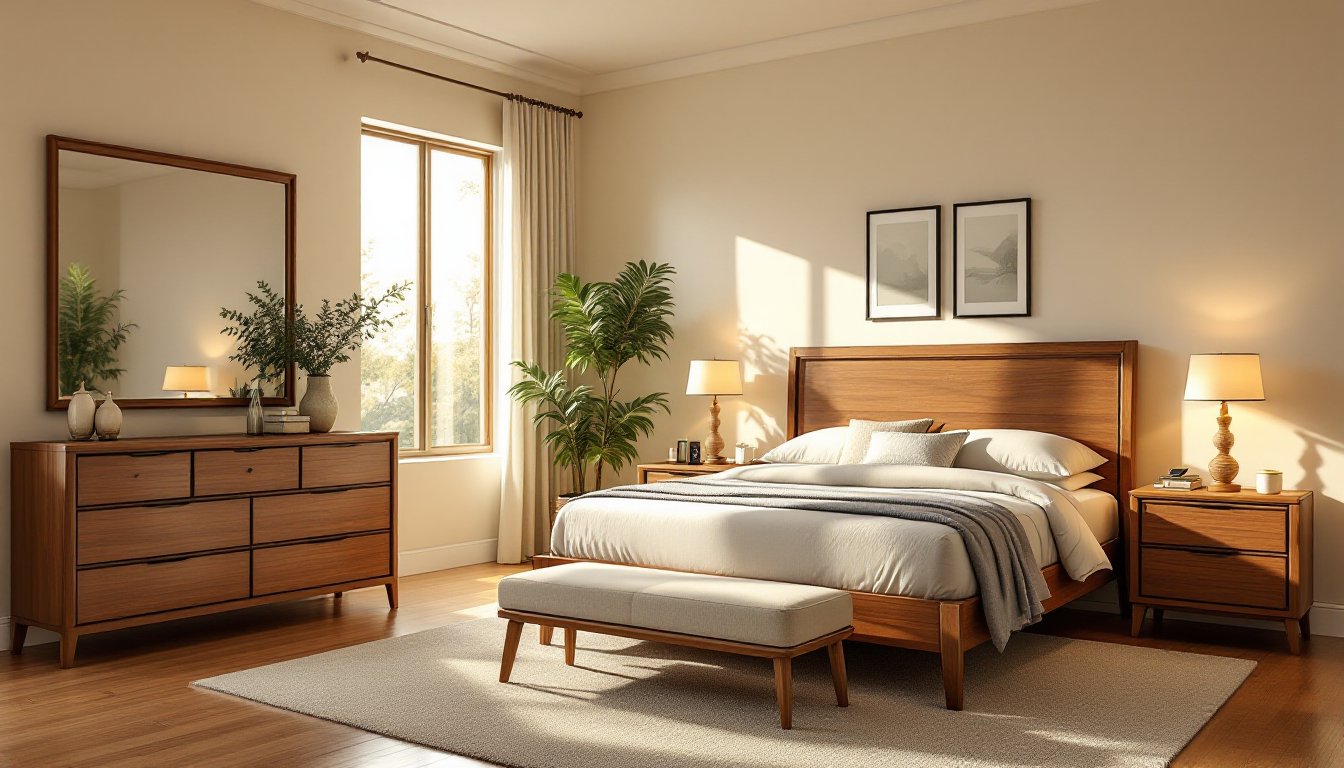
A king bedroom furniture set is more than just a bed and two nightstands, it’s the foundation of your personal sanctuary. Whether you’re furnishing a master bedroom, upgrading aging pieces, or starting from scratch, selecting the right king furniture set impacts comfort, function, and how your room flows. This guide walks you through what to prioritize, how to size and style a king bedroom, and where to find pieces that fit your budget and aesthetic. Let’s get into the specifics so you can make confident decisions.
Table of Contents
ToggleKey Takeaways
- A quality king bedroom furniture set is a worthwhile investment that directly impacts sleep quality, durability, and resale value while eliminating the guesswork of coordinating separate pieces.
- Essential king bedroom furniture includes a solid bed frame with center support beams, nightstands with drawers within arm’s reach of the mattress, and a dresser with adequate storage for functional organization.
- Choose a design style—modern, transitional, traditional, industrial, or mid-century—that complements your home’s overall aesthetic rather than standing alone, ensuring visual cohesion throughout your space.
- Mid-range king bedroom furniture sets ($1,000–$3,000) offer the best balance of durability, quality construction, and affordability, lasting 10+ years compared to budget alternatives.
- Proper bedroom layout requires measuring beforehand: ensure at least 10 feet of wall width for the bed and frame, 6–8 feet from foot of bed to opposite wall, and 12–18 inches on either side for comfortable access.
- Prioritize solid wood or quality veneer over particle board, check warranty length (10 years indicates confidence in durability), and avoid trendy brands trading on name alone over proven construction quality.
What Makes a King Bedroom Furniture Set Worth the Investment
A quality king bedroom furniture set isn’t a luxury, it’s smart spending. You’ll use these pieces every single day, and unlike a decorative accent, they directly affect sleep quality, organization, and how rested you feel. A well-designed set with sturdy construction means fewer repairs, longer lifespan, and better resale value if you ever move.
King sets also eliminate the guesswork of mixing and matching styles. Instead of hunting for a bed, nightstands, and a dresser individually and hoping they coordinate, a coordinated set gives you a cohesive look right out of the box. That’s especially valuable if you’re not confident about design choices.
Beyond aesthetics, proper king furniture supports functional needs. Good nightstands offer drawer space for reading glasses, medications, and personal items. A quality bed frame distributes weight evenly, reducing sagging and extending mattress life. Built-in storage in dressers or footboards keeps clutter contained and your room peaceful. When you invest in a set, you’re buying durability, style, and practicality wrapped into one decision.
Key Pieces Every King Bedroom Set Should Include
The Foundation: Selecting the Right King Bed Frame
A king bed frame measures 76 inches wide by 80 inches long, enough sleeping surface for two people without anyone crowding the other. The frame is your anchor, so it must be rock-solid. Look for frames with center support beams or a solid platform base to prevent sagging over time, especially important for heavier mattresses or when two adults use the bed.
Material matters: wood frames offer warmth and traditional appeal, metal frames are durable and often adjustable (good for platform beds), and upholstered frames add softness underfoot. Make sure the frame height works for you, standard is 10 to 12 inches from floor to top of mattress, but some people prefer taller frames for easier getting in and out.
Check weight capacity and assembly requirements before purchasing. Most solid king frames support 500 to 1,000 pounds, more than enough for two occupants plus a quality mattress. Some ship flat and require setup: others arrive nearly assembled. Know what you’re signing up for, especially if moving it upstairs or through tight hallways is necessary.
Essential Storage and Nightstands
Nightstands must be functional, not just decorative. Each side of the bed should have a nightstand within arm’s reach, typically 24 to 28 inches tall to align with mattress height. Look for at least one drawer and one open shelf. A drawer keeps lights, books, or sleep aids out of sight, while open shelves hold a lamp and phone charger where you actually use them.
A dresser anchors the other side of the room and provides real storage capacity. Four- to five-drawer dressers offer enough space for a week or two of clothing without daily laundry runs. Pair a dresser with a mirror on top or hang one above it, mirrors enlarge the visual space and make the room feel more open.
Consider a chest of drawers or armoire if your closet is small. These pieces double as functional storage and design anchors. In a master bedroom, they balance the visual weight of a large bed and create zones (bed area, dresser area, sitting area if space allows).
Design Styles and Finding Your Perfect Match
King bedroom furniture comes in distinct styles, each with its own vibe. Modern sets emphasize clean lines, minimal ornamentation, and often feature platform beds with low profiles and sleek dressers. They work well in contemporary homes and feel uncluttered. Transitional sets blend traditional and modern, classic proportions with simplified details, and are incredibly forgiving if your décor isn’t strictly one era.
Traditional or rustic sets lean into wood grain, ornate legs, and richer finishes like cherry or walnut. They suit farmhouse, cottage, or classic home styles and create warmth. Industrial sets mix metal frames, raw wood, and exposed hardware, perfect for loft-style or eclectic spaces. Mid-century sets bring back 1960s design with angled legs, warm woods, and curves that feel retro but not kitschy.
The right style depends on your home’s overall aesthetic, not just personal preference. If your living room is modern, a rustic king set will feel jarring. Conversely, ultra-traditional furniture can feel heavy in a contemporary open-plan home. Pick a style that echoes your existing décor. Sites like architectural design resources showcase high-end examples, but you don’t need to spend luxury prices to capture the vibe, mid-range retailers and discount outlets offer similar aesthetics for less.
Budget-Friendly vs. Premium Options: What to Expect
Budget king sets, under $1,000, typically use particle board or plywood with veneer, synthetic hardware, and basic finishes. They’re functional and fine for guest rooms or temporary setups, but don’t expect 20 years of daily use. Handles might loosen, drawers could stick, and finishes may chip.
Mid-range sets ($1,000 to $3,000) often include solid wood components (at least the frame and drawer fronts), real wood veneer on larger surfaces, better joinery, and hardware that holds up. Most homeowners find this sweet spot balances durability, style, and price. You get a set that lasts 10+ years with minor maintenance.
Premium sets ($3,000+) feature solid wood throughout, dovetail joinery, high-quality finishes, and fine hardware. They’re heirlooms meant to pass through generations. Unless you’re furnishing a luxury home or expect to keep the set indefinitely, premium may be overkill.
Don’t confuse price with quality, a $2,000 solid wood set from a reputable maker beats a $4,000 set from a trendy brand trading on name alone. Check materials, construction methods, and warranty length. If a retailer offers a 10-year warranty, they’re confident in durability. If it’s one year, they’re banking on quick replacement sales. Discount bedroom furniture options can offer surprising value without sacrificing essential quality.
Sizing, Layout, and Room Planning Tips
Before buying, measure your bedroom and map where furniture goes. A king bed needs at least 10 feet of wall width, preferably more if you want nightstands on both sides. From the foot of the bed to the opposite wall, aim for 6 to 8 feet minimum so you can comfortably walk and open drawers.
Dressers are typically 18 to 24 inches deep, so position them against the wall opposite the bed or perpendicular, not blocking the doorway or window. Account for swing space, if a bedroom door opens inward, don’t place a nightstand directly in front of it. Small bedrooms can use wall-mounted floating nightstands or a single nightstand if space is truly tight.
Ceiling height also factors in, especially for canopy or four-poster beds. Standard ceilings are 8 feet: a tall bed frame or posts can make a room feel cramped if they tower too high. Measure your space and check manufacturer dimensions before committing. Bedroom furniture options near you can be seen in showrooms where you can test how pieces feel in a similar-sized space.
Consider traffic flow too. People naturally walk from the door toward the bed, then toward the closet or bathroom. Avoid placing furniture where it blocks these paths. Finally, leave at least 12 to 18 inches on either side of the bed for making it up and getting in and out comfortably, that’s non-negotiable for daily livability.