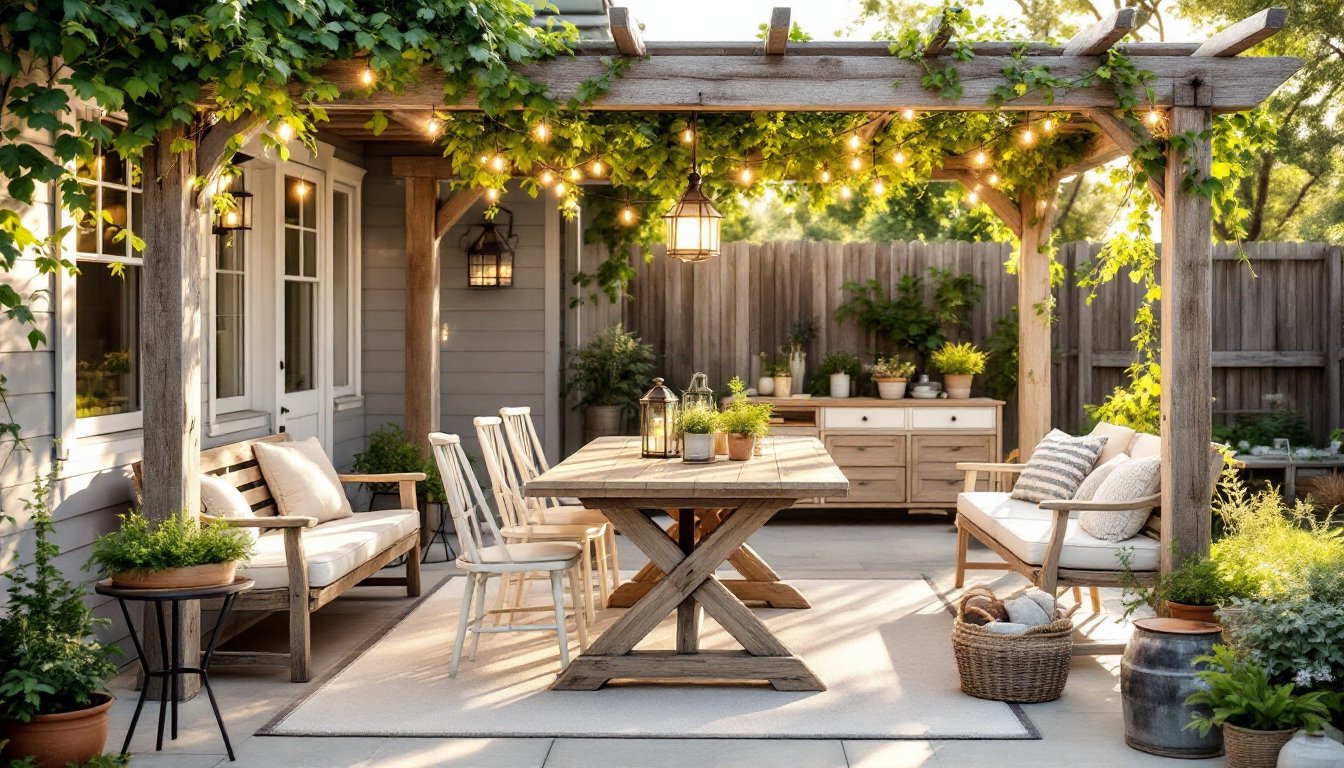
Farmhouse patio furniture brings warmth, character, and a lived-in aesthetic to outdoor spaces. Whether you’re starting from scratch or refreshing an existing patio, farmhouse style offers a straightforward approach: mix durable materials, keep lines simple, and let natural textures do the talking. Unlike trendy outdoor decor that fades fast, farmhouse patio furniture lasts, both in durability and appeal. This guide walks you through the essentials: what defines the style, which pieces anchor a setup, materials that hold up to weather, and design tips to pull it all together without overthinking it.
Table of Contents
ToggleKey Takeaways
- Farmhouse patio furniture emphasizes durability, natural materials, and honest design—weathered wood, wrought iron, and neutral tones create an authentic, lived-in aesthetic that improves with age.
- A strong farmhouse setup starts with a sturdy dining table as the anchor piece, paired with mismatched seating like spindle-back chairs and rockers that don’t need to match perfectly for visual impact.
- Teak, acacia, and cedar woods offer excellent weather resistance, while wrought iron with powder-coat finishes and outdoor-grade cushions ensure your farmhouse patio furniture lasts 5–7+ years with minimal maintenance.
- Layer distinct zones—dining, lounging, and planting areas—with varied heights and textures like smooth wood paired with rough metal to create visual interest and prevent a cluttered appearance.
- Avoid plastic-looking finishes and overly trendy décor; instead, incorporate functional accessories like galvanized buckets, woven baskets, and weathered lanterns that earn their place while enhancing rustic charm.
- Choosing the right scale for your space matters: smaller patios work best with 36–48-inch tables, while larger areas can showcase statement pieces like long benches or substantial pergolas.
What Defines Farmhouse Patio Furniture
Farmhouse patio furniture is rooted in practicality and heritage. Think weathered wood, wrought iron accents, neutral tones, and pieces that look like they’ve earned their patina over decades. It’s not about fussiness, farmhouse style favors honest materials and straightforward construction over ornamental detail.
Key hallmarks include reclaimed or distressed wood (think mission-style construction with visible joinery), metal hardware and frames (cast iron legs, galvanized hardware), and a muted color palette of creams, grays, blacks, and natural wood tones. Farmhouse pieces often feature slatted backs on chairs, turned legs, and simple geometric profiles. The appeal lies in the contrast: rough textures against clean shapes, heavy materials paired with open designs that don’t dominate a patio.
What farmhouse patio furniture avoids: plastic looks, overly glossy finishes, bold patterns, or anything that screams “brand new.” Instead, farmhouse thrives on authenticity. A piece doesn’t need to be antique, it just needs to feel honest and built to last.
Essential Pieces for a Farmhouse Patio Setup
Seating and Dining Options
Start with a sturdy dining table as your anchor. Look for pieces with thick legs (at least 4×4 nominal lumber, meaning actual dimension closer to 3.5 x 3.5 inches), a solid base, and a top that can handle weather. Teak, reclaimed wood, and painted wood tables are farmhouse staples. Pair it with mismatched or coordinating dining chairs, farmhouse thrives on a loosely matched look. Mix spindle-back styles with slatted designs: they don’t have to be identical.
For lounging, a bench seat (ideally with simple lines and exposed wood joints) works alongside chairs. Rockers or wooden Adirondack chairs nail the farmhouse aesthetic while delivering genuine comfort. If you want upholstered seating, opt for cushions in linen, canvas, or heavy cotton, natural fabrics that age gracefully. Avoid synthetic fabrics that look plasticky in bright sunlight.
Accent Pieces and Finishing Touches
Once seating is set, add layers with side tables, plant stands, and storage benches. A simple wooden side table with tapered legs holds drinks and books without clutter. Metal plant stands or wire baskets introduce industrial touches that complement farmhouse aesthetics. Designers recommend mixing and matching outdoor rather than locking into a single set, this gives farmhouse patios their lived-in charm.
Add texture with weathered lanterns, rope accents, and galvanized metal decor. A wooden pergola or trellis (even a simple 8×10-foot structure) defines space and gives climbing plants something to grip. Keep accessories functional: garden stools double as side tables, woven baskets store cushions, and galvanized buckets hold blankets. Farmhouse works best when every piece earns its place.
Materials and Durability Considerations
Wood is the farmhouse workhorse. Teak is premium, oily by nature, it resists rot and weathers to silver-gray without rot risk. Acacia and cedar are solid mid-range choices: both resist moisture, though cedar needs occasional sealing. Reclaimed barn wood and painted pine are authentic but require more maintenance, plan for refinishing or repainting every 2–3 years, especially in wet climates.
Wrought iron and cast iron frames are durable if rust-protected. Look for pieces with a powder-coat finish or hot-dip galvanizing. Expect some surface rust over time, it’s part of the farmhouse appeal, but ensure the structural integrity isn’t compromised. Touch up with rust-inhibiting paint annually.
Aluminum offers lighter weight and minimal upkeep. It doesn’t match teak’s patina appeal, but painted aluminum with a distressed finish reads as farmhouse and requires only occasional wiping. Fabric cushions should be outdoor-grade (solution-dyed, UV-resistant, mold-resistant). Sunbrella and similar brands last 5–7 years before fading: cheaper synthetics deteriorate in 1–2 years.
In humid or coastal regions, choose wood types and metal finishes rated for moisture. Avoid untreated softwood in damp climates, it’ll warp and rot fast. If budget allows, invest in a furniture cover ($40–$150 per piece) for off-season storage or extended bad weather. Regional codes don’t govern patio furniture directly, but weight-bearing structures (pergolas, attached benches) may require posts set in concrete footings for safety.
Design Tips for Maximum Impact
Layer zones, not just pieces. A farmhouse patio works best when you define separate areas: a dining zone (table and chairs), a lounging zone (rockers, benches, side table), and a planting zone (stands, baskets, trellises). This prevents the patio from feeling like furniture was scattered randomly.
Embrace neutral backgrounds. Keep walls, flooring, and large structures (pergolas, pavers) in soft grays, creams, weathered wood tones, or pale blue. This lets the furniture be the star. Southern home design traditions often use soft, earthy palettes and wraparound porches that work beautifully with farmhouse outdoor setups.
Mix heights and textures. Pair tall plant stands with low benches, smooth wood with rough metal, and open frames with solid tops. Visual interest comes from contrast, not matching sets. A galvanized watering can next to a wooden side table next to a wrought-iron lantern tells a richer story than five identical pieces.
Use greenery intentionally. Trailing plants in vintage containers, herb gardens in recycled planters, and climbing vines on a trellis anchor the farmhouse look. Garden design ideas and landscape inspiration often emphasize how plantings soften hard materials and create living, breathing outdoor rooms.
Light appropriately. String lights, lanterns with flickering candles, or low-voltage uplighting in warm tones (2700K–3000K color temperature) enhances the rustic vibe. Avoid bright, white LED floods that feel clinical.
Scale matters. In a small patio, opt for a 36–48-inch table rather than a sprawling 72-inch farmhouse dining table. Oversized furniture in tight spaces looks clumsy. In larger areas, a single well-chosen statement piece (a long bench, a substantial pergola) anchors the whole setup.
Conclusion
Farmhouse patio furniture rewards slow, intentional choices over impulse buying. Start with a sturdy table and comfortable seating, add materials that age honestly, and layer in pieces that work together without matching perfectly. The beauty of farmhouse design lies in its honesty, real wood weathers, metal develops patina, and the patio becomes richer with time, not worse. Your outdoor space becomes a genuine retreat, not a showroom.