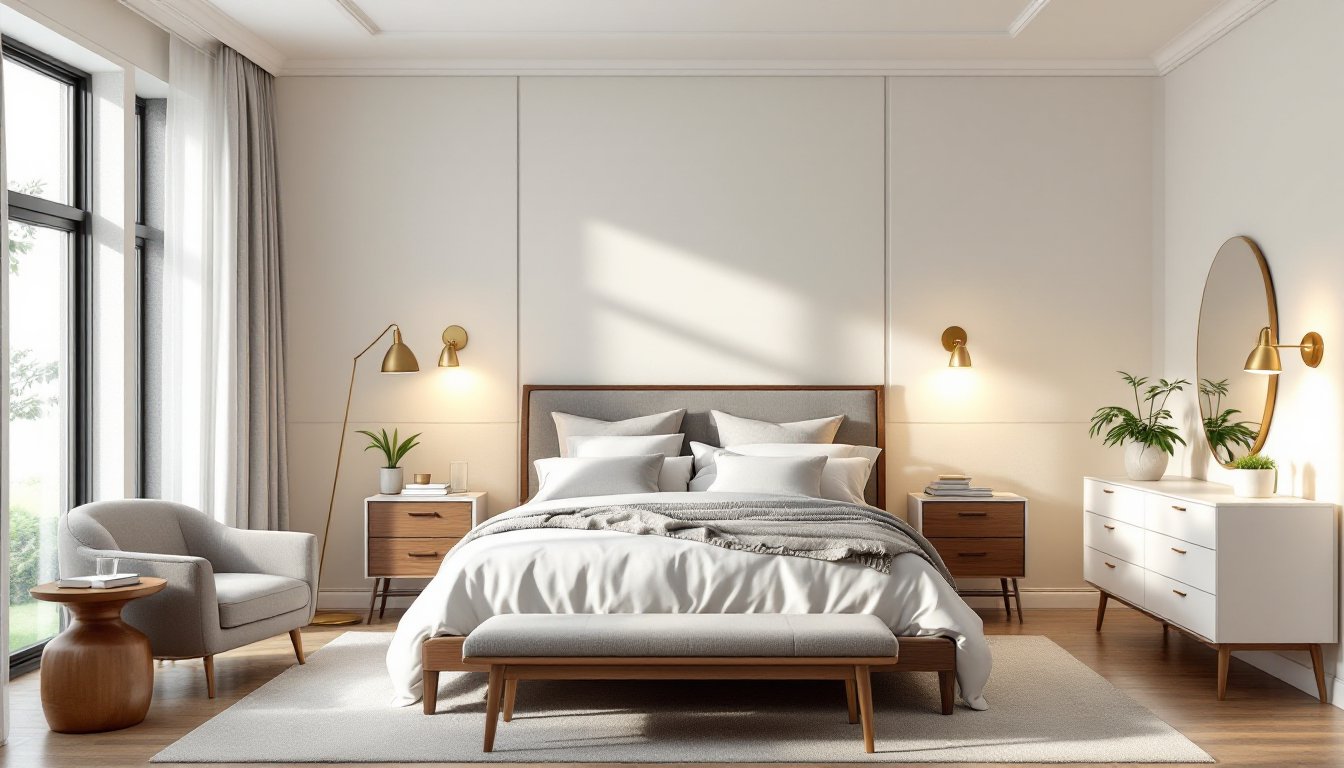
A bedroom is more than just a place to sleep, it’s a personal retreat where you spend roughly a third of your life. Getting the right furniture for the bedroom sets the tone for comfort, functionality, and style. Whether you’re furnishing a new space, upgrading tired pieces, or simply refreshing your sleeping quarters, thoughtful selection of bedroom furniture design can transform the room into a sanctuary that works for your lifestyle. This guide walks you through the essential pieces every bedroom needs, how to make smart choices for your space, and practical ways to keep costs reasonable without sacrificing quality.
Table of Contents
ToggleKey Takeaways
- Invest in a quality bed frame and mattress ($400–$1,200) as your foundation, since they directly impact sleep quality and durability for 7–10 years.
- Strategic storage solutions like dressers, nightstands, and wardrobes eliminate bedroom clutter while keeping essentials within arm’s reach without overwhelming the space.
- Layered lighting through bedside lamps (40–60 watt LED), wall sconces, and overhead fixtures creates both functional illumination and mood for your bedroom.
- Measure your room and create a furniture layout before purchasing to ensure pieces fit proportionally and don’t block doorways, windows, or airflow.
- Mix price tiers by investing in furniture you use daily (quality mattress and dresser) while choosing budget-friendly accent pieces that can be refreshed or updated over time.
- Bedroom furniture design achieves cohesion through consistent finishes, materials, or era rather than matching sets, allowing for personalized style that feels authentically yours.
Bed Frames and Mattresses: The Foundation of Bedroom Comfort
Your bed is the anchor of any bedroom. It’s where comfort meets durability, and cutting corners here ripples through your whole sleeping experience. A quality bed frame should support your mattress evenly, prevent sagging, and last 7–10 years with proper care.
When selecting a frame, match it to your mattress size. Standard sizes run Twin (39″ × 75″), Full (54″ × 75″), Queen (60″ × 80″), and King (76″ × 80″). Wood frames offer aesthetic appeal and typically cost less than metal or upholstered options. Metal frames are lightweight and durable, ideal if you move frequently. Upholstered frames add a softer visual appeal but require occasional fabric care.
Mattress choice depends on personal preference and body type. Memory foam molds to your shape and works well for side sleepers. Innerspring mattresses provide traditional bounce and airflow, better for hot sleepers. Hybrid options combine foam comfort with spring support. Expect to spend $400–$1,200 on a solid mattress: premium options go higher, but they’re worth the investment given how much time you spend on them.
Check for a 14-inch clearance beneath the frame so you can clean underneath and allow air circulation. If your room is tight, consider a platform bed that sits lower and eliminates the need for a box spring.
Storage Solutions: Dressers, Nightstands, and Wardrobes
Bedroom clutter steals peace of mind. Strategic storage pieces keep clothing, personal items, and daily necessities within arm’s reach without dominating the visual space.
Dressers are workhorses. A standard dresser measures 30–36 inches tall and 48–60 inches wide, holding 5–8 drawers depending on depth. Shallow drawers (6–8 inches deep) suit socks and undergarments: deeper drawers (10–12 inches) handle sweaters and pants. Match your dresser finish to your bed frame for visual cohesion, wood, painted, or stained options all integrate into bedroom furniture design effectively. Recent styles emphasize minimalist lines and soft-close drawers, which prevent that cabinet-slam noise at 2 a.m.
Nightstands provide bedside storage and lamp placement. A height of 24–30 inches matches the mattress top, so reaching for water or an alarm clock feels natural. Open designs (shelves, no drawers) suit small spaces and keep the room feeling airy. Drawer-equipped nightstands hide chargers, books, and personal items. Pair matching nightstands on both sides of the bed for balance, or mix styles if your design leans eclectic.
Wardrobes or armoires serve as clothing storage when closet space is limited. Freestanding units range from 24–36 inches wide and 60–80 inches tall, offering hanging rods, shelves, or drawers. Wardrobe designs now include modern aesthetics that blend modern bedroom furniture styles with functionality. They’re a good investment if your master bedroom lacks built-in closeting.
Seating and Accent Furniture for Relaxation
Beyond the bed, thoughtful seating transforms a bedroom from a sleeping zone into a livable retreat. An accent chair or small sofa gives you a spot to sit while putting on shoes, reading, or simply unwinding.
Accent chairs in the 28–32 inch width range fit snugly into corners or alongside windows. Upholstered options offer softness and warmth: leather or faux-leather picks clean easily and suits minimalist designs. Choose a neutral tone if your walls or bedding are bold: let a patterned or colorful chair anchor a calming, neutral room.
Benches at the foot of the bed add function and style. A bench measuring 48–60 inches long and 18 inches deep provides seating to dress, plus hidden storage if it’s a lift-top design. This works especially well in master bedrooms where space allows.
Reading nooks combine a comfortable chair with a small side table (resembling a large nightstand) and a floor lamp. Resources like 35 Bedside Tables For Your Bedroom’s Decor show how functional bedside pieces elevate the entire room’s feel. Even in compact bedrooms, a single accent piece adds personality and utility without overwhelming the space.
Lighting and Functional Furniture Pieces
Proper lighting isn’t furniture, but the pieces that hold and deliver it absolutely are. Bedside lamps, overhead fixtures, and accent lighting work together to create layered illumination, crucial for both function and mood.
Table lamps on nightstands should cast soft, downward light without blinding you if you wake at night. Aim for 40–60 watt equivalent LED bulbs (roughly 400–600 lumens). Lamps with 3-way switches let you adjust brightness. Shade diameter of 10–12 inches diffuses light evenly over the nightstand and part of the bed.
Wall-mounted sconces flanking the bed save nightstand space and create a hotel-like feel. Position them 36–40 inches above the floor for comfortable reading. They pair beautifully with minimalist bedroom furniture design.
Overhead fixtures should provide general illumination without being harsh. Dimmers let you adjust mood and save energy. Ceiling fans with integrated lights offer dual function in rooms lacking adequate ventilation.
Furniture with integrated lighting, like headboards with built-in reading lights or dressers with backlighting, combine storage with ambiance. These pieces are pricier but eliminate the need for separate accent lights. Modern options from sources like Decoist show how smart lighting integration elevates contemporary bedroom spaces. For a practical investment, prioritize bedside task lighting first, then layer in ambient options as budget allows.
Choosing Bedroom Furniture That Fits Your Style and Space
Before buying, measure your room and sketch a layout. Know the width of doorways, the position of windows, and any architectural quirks (sloped ceilings, unusual nooks) that affect furniture placement.
Room dimensions dictate scale. A king bed dominates a 10×12 room: a queen feels more proportionate there. A dresser’s depth (typically 18–20 inches) matters if your bedroom is narrow, pulling open drawers shouldn’t obstruct the doorway. When space is tight, furniture for the bedroom increasingly leans toward vertical storage (tall, narrow pieces) and multipurpose designs.
Style cohesion doesn’t require matching sets. Pick a unifying element: finishes (all walnut, all white), era (mid-century, farmhouse, modern), or material (metal frames, upholstered seating). Let kids bedroom furniture design inspire adult spaces too, clean lines, smart storage, and durability appeal at any age.
Color matters. Light finishes (white, pale oak) open small rooms visually. Dark woods add warmth and sophistication in larger spaces. Upholstery colors in accent pieces tie the room together, echo bedding tones or pick a complementary accent color. Test paint samples on your walls before committing: bedroom lighting shifts throughout the day.
Ventilation and airflow. Heavy, dense furniture arrangements trap air and dust. Leave 6–8 inches of space between the back of the bed and the wall for air circulation. Avoid blocking windows or vents with large pieces.
Budget-Friendly Tips for Furnishing Your Bedroom
A well-furnished bedroom doesn’t require a luxury budget. Prioritize strategically, buy quality where it counts, and use affordable options for accent pieces.
Start with the bed. Invest in a good mattress and frame: these two pieces set the comfort baseline and last longest. Budget $1,200–$2,000 here, then work outward. A solid mattress saves on medical bills if poor sleep triggers back or neck pain.
Buy secondary pieces gradually. Nightstands, dressers, and accent chairs don’t need to arrive on moving day. Add them as budget allows. Resources like discount bedroom furniture guides help you spot sales and financing options that spread costs.
Mix price tiers. Splurge on a quality dresser you’ll use daily: opt for budget-friendly accent chairs you can refresh in a few years when styles shift. Upholstered pieces hide wear better in mid-tones: light fabrics show stains, dark ones show dust.
Shop local and online. Bedroom furniture stores vary widely in inventory and pricing. Compare in-person to online: sometimes local shops offer better delivery terms than big-box retailers. Online reviews highlight assembly difficulty and durability, crucial before ordering sight-unseen.
DIY finishing touches. Paint an old dresser, add new hardware, or refinish a thrifted nightstand. These tweaks cost $50–$150 and give tired pieces fresh life. A fresh coat of paint on bedroom walls costs less than new furniture and transforms the entire feel.
Measure twice, buy once. Returns cost time and money. Verify all dimensions, doorways, hallway width, ceiling height, before purchasing, especially large pieces like wardrobes and platform beds.
Conclusion
Building a functional, beautiful bedroom boils down to thoughtful choices about what serves your daily life. Start with the foundation, a solid bed and frame, then layer in storage and seating that match your room’s dimensions and your lifestyle. Pay attention to scale, finishes, and how pieces work together visually. You don’t need a decorated-by-designer look: you need a space that feels calm, organized, and genuinely yours. Take your time, measure carefully, and invest wisely. Your bedroom will repay that effort with years of restful nights and a sanctuary that truly feels like home.