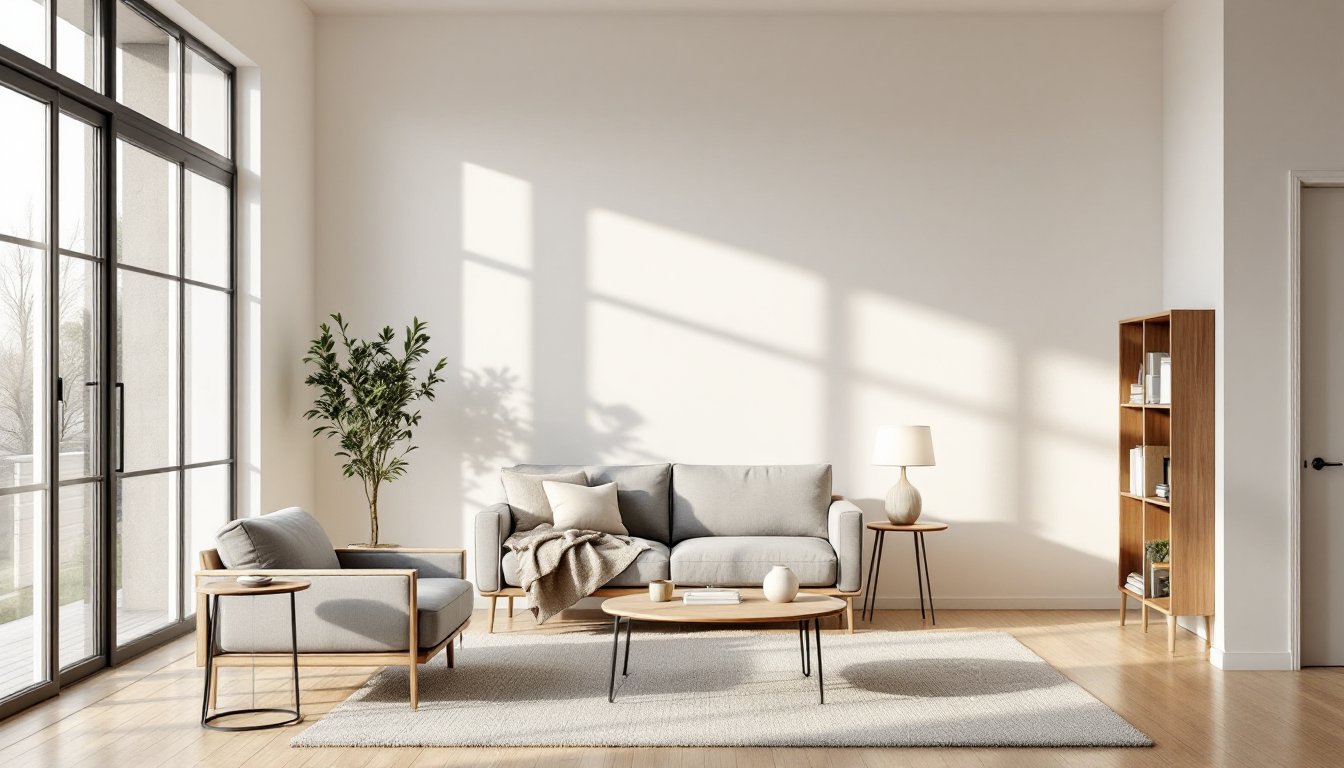
Minimalist living room furniture isn’t about emptiness or sacrifice, it’s about intention. A well-designed minimalist space feels calm, breathable, and genuinely livable, rather than stark or cold. In 2026, more homeowners are ditching bulky, ornamental pieces in favor of functional furniture that earns its place in the room. If you’re tired of clutter, overwhelmed by too many pieces, or simply want your living room to feel more spacious and serene, minimalist furniture design offers a practical solution. This guide walks you through selecting, arranging, and sourcing the pieces that matter most for a minimalist living room that actually works for your family.
Table of Contents
ToggleKey Takeaways
- Minimalist living room furniture prioritizes intention and function over ornament, creating spaces that feel calm and spacious without sacrifice or emptiness.
- Essential pieces for a minimalist living room include a simple sofa, modest coffee table, single side table, and functional storage—typically four to five quality items rather than ten mismatched pieces.
- Invest in quality over quantity by choosing solid wood, real materials, and strong joinery that last decades rather than rushing to fill your room with inexpensive furniture that needs replacement.
- Use a limited color palette of two to three neutrals as your foundation, then add visual interest through texture, material variety, and matte versus gloss finishes rather than bright accent colors.
- Smart, hidden storage solutions—such as floating shelves, credenzas, and closed-door cabinets—keep clutter out of sight while maintaining the calm aesthetic that defines minimalist furniture design.
- Negative space is intentional and essential in minimalist design; resist the urge to fill every gap, as open floor and bare walls make your living room feel bigger and more genuinely restful.
Why Minimalist Furniture Works for Modern Homes
Modern homes face a real challenge: spaces are often smaller, multi-functional, and shared among busier lifestyles. Minimalist furniture answers this squeeze. A streamlined sofa, a simple console table, and a single bookshelf do the job of ten mismatched pieces without eating square footage.
Beyond the practical math, minimalist design reduces decision fatigue. When you own fewer items, you spend less mental energy choosing what to keep, where to put it, or how to style it. Your brain gets a break, and your living room becomes a place of genuine rest rather than visual noise.
The aesthetic also stands the test of time. Trends come and go, but clean lines, neutral tones, and quality materials don’t date overnight. A minimalist sofa you buy today won’t look painfully 2024 in five years. That durability translates to smarter spending: buy once, keep longer.
There’s also something honest about minimalism. Every piece has a reason to exist. A chair isn’t there to fill a corner: it’s there because someone actually sits in it. That authenticity, whether you realize it or not, makes a room feel more curated and intentional.
Core Principles of Minimalist Design
Minimalism rests on a few non-negotiable principles. First: function precedes form. Every piece should serve a clear purpose. If it’s purely decorative and doesn’t make you happy every time you see it, it doesn’t belong.
Second is quality over quantity. One solid hardwood coffee table beats three flimsy particleboard side tables. A minimalist room typically has fewer items, which means each one gets scrutiny and should withstand regular use.
Third is visual calm. This doesn’t mean absolute barrenness. It means avoiding busy patterns, excessive ornamentation, or pieces that fight for attention. Your eye should rest comfortably as it moves through the space.
Fourth is honest materials. Minimalism favors materials that show their true nature: solid wood (not veneer on MDF), real leather (not plastic), metals that patina honestly rather than chip. These materials age gracefully and often look better the longer you own them.
Finally, negative space matters. The gaps between furniture, the bare wall above a sofa, the open floor, these aren’t wasted real estate. They’re working hard, making the room feel bigger and calmer. Resist the urge to fill every void.
Essential Furniture Pieces for a Minimalist Living Room
A minimalist living room typically starts with four or five key pieces: a sofa, a coffee table, one or two side tables, and a storage piece or bookshelf. That’s genuinely enough for most people.
The sofa is your anchor. Choose one in a neutral color (gray, taupe, white, black, or natural linen) with a simple silhouette. Avoid deep button tufting, ruffled arms, or excessive cushioning. A mid-century modern style or contemporary track-arm design works well because the lines are clean and the proportions feel right in smaller spaces.
The coffee table should be modest in scale and material. A solid wood top on a simple metal or wood base keeps the visual weight low. Marble or concrete tops work too, as long as the legs are slim and don’t clutter the zone under the table.
Side tables are better as single, purposeful pieces rather than matching pairs. One small table next to the sofa for a lamp and a drink is plenty. Open-shelf designs (like a single wooden top on metal legs) feel lighter than bulky cabinets.
Storage is where minimalism intersects with sanity. You need somewhere to stash remotes, books, throws, and those inevitable small items. A low credenza, a wall-mounted floating shelf, or a simple bookcase in natural wood tones keeps things contained while staying visually quiet.
Selecting Quality Over Quantity
Before buying a single piece, ask: “Will this still be here in ten years?” If the answer is maybe, skip it. Real wood furniture, solid joinery (look for dove-tail or mortise-and-tenon construction), and finishes that are applied (not glued-on veneers) last decades. Particle board and MDF have their place, but they’re not investments, they’re temporary solutions.
Check the legs and frame too. Solid wood or steel legs that support the whole weight properly won’t wobble or fail. Flimsy leg construction is an early warning sign of poor overall build quality.
When budget is tight, buying one excellent piece at a time beats rushing to fill a room with bargain furniture. Modern Bedroom Furniture: Transform shows how investing in key pieces pays off over time. A single quality sofa lasts longer and ages better than three cheap ones.
Color Palettes and Materials That Define Minimalism
Minimalist color palettes are intentionally limited. Most designers work within a base of two or three neutrals (white, gray, taupe, black, or warm beige), then add depth through texture and material rather than color.
Neutrals as the foundation: A sofa in warm gray, walls in soft white, and a coffee table in natural wood create a cohesive, calm base. This isn’t boring when you layer in variety through finish, matte, gloss, raw, and textured surfaces all read differently even in a tight color range.
Texture over color: Minimalism isn’t monochromatic. A linen sofa, a wool throw, a wood table, a concrete accent wall, and a leather chair all feel different under your hand and eye, even if they’re all in the “neutral” family. These tactile differences prevent the space from feeling flat or institutional.
Accent color (sparingly): If you want a pop of color, choose one and use it deliberately. A single art print, a plant, or a throw pillow in a muted sage, charcoal, or warm terracotta provides visual interest without chaos. Keep accents to less than 10% of the overall palette.
Materials matter most. Solid wood (oak, walnut, maple, or ash) reads as “real” and ages beautifully. Metal bases and frames (steel, iron, or aluminum) provide contrast and feel contemporary. Upholstery in natural fibers (linen, wool, cotton) breathes better than synthetics and soften the overall look. Concrete, tile, or polished concrete floors anchor the space with honest, durable materials.
External design inspiration from 50 Minimalist Living Room Ideas shows how professionals balance color restraint with enough material variety to keep spaces interesting.
Smart Storage Solutions That Stay Hidden
One of minimalism’s dirty secrets: you still own stuff. You just store it smarter so it’s not visible every moment. This is where minimalist furniture design earns its keep.
Built-in storage is ideal if you’re renovating or have the budget. Wall-mounted shelving, recessed cabinets, and under-stair drawers keep clutter out of sight without eating floor space. If built-ins aren’t an option, floating shelves or wall-mounted cabinets in matching finishes create a similar effect without permanence.
Low-profile storage furniture like credenzas, sideboards, and media consoles hide items behind closed doors while taking up less visual space than tall cabinets. The low horizontal line actually makes a room feel larger.
Ottomans and benches with hidden storage serve double duty: seating and stashing. Choose one with a solid wood base and a removable or hinged top. Avoid designs with nails or visible hardware: the cleaner it looks, the more it reads as furniture rather than a storage hack.
Baskets and bins work if they’re intentional. Place one basket under a side table or within a shelving unit, not scattered across the floor. Natural materials (woven rattan, linen, jute) fit the minimalist palette better than plastic.
The key principle: everything that lives in your room should have a home. Remotes, books, throws, toys, chargers, they all need a designated spot inside a drawer, cabinet, or closed container. When nothing’s left out by accident, the space feels calm and controlled. Discount Bedroom Furniture: Transform discusses how strategic storage-focused furniture maximizes both function and aesthetics. For additional small-space strategies, Apartment Therapy offers budget-friendly ideas that work alongside minimalist principles.
Conclusion
Building a minimalist living room isn’t about deprivation, it’s about clarity. By choosing fewer, better pieces in natural materials and a restrained palette, you create a space that actually feels larger, calmer, and more genuinely yours. Start with the essentials, invest in quality where it counts, and let negative space do its job. Your living room will thank you.