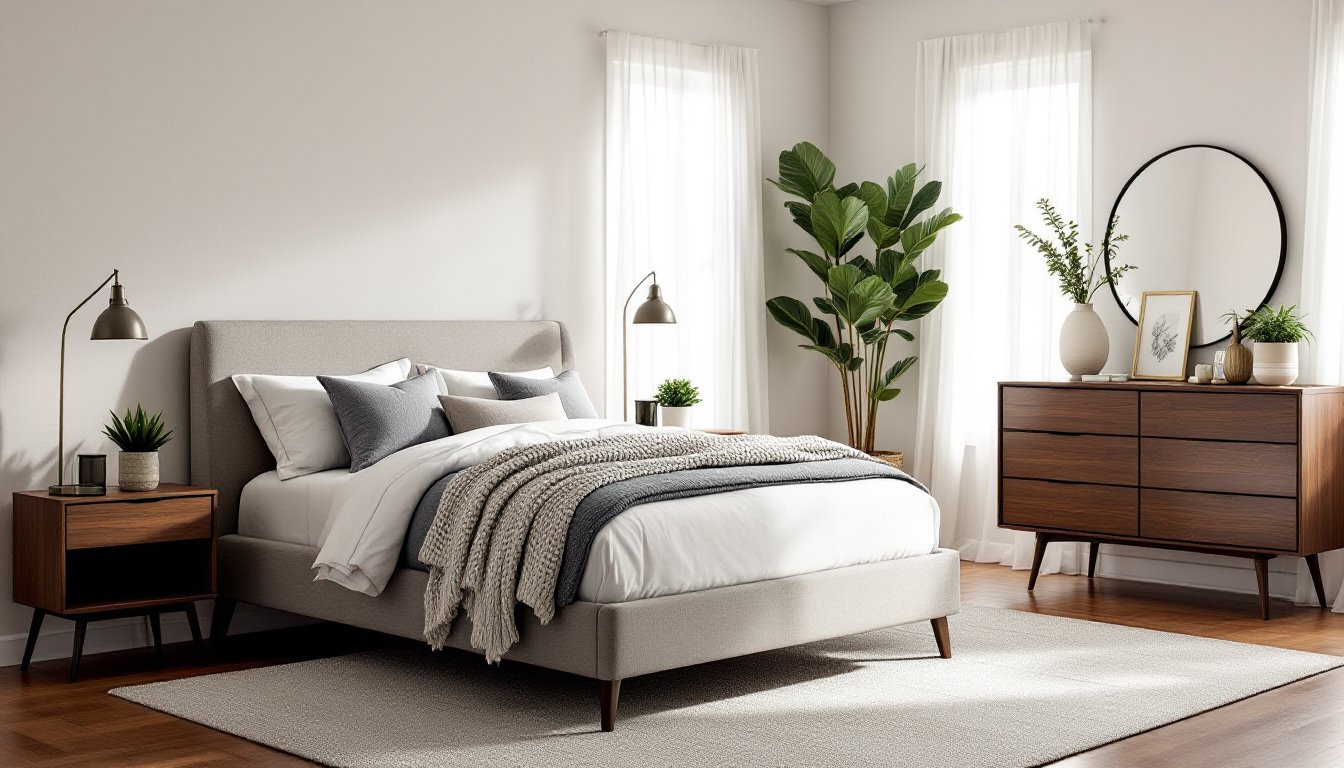
Your bedroom is more than just a place to sleep, it’s your personal sanctuary, a space where you recharge and escape from the world. Getting the right bedroom furniture is the foundation for creating that restful retreat. Whether you’re furnishing a master suite, guest room, or redesigning an entire bedroom, choosing quality pieces that blend comfort, durability, and style matters. This guide walks you through the essentials: selecting the right bed and mattress, investing in smart storage, arranging furniture strategically, and understanding what makes pieces worth the investment. By the end, you’ll know exactly what best quality bedroom furniture looks like for your space and budget.
Table of Contents
ToggleKey Takeaways
- Invest in a quality mattress and bed frame as the foundation of best bedroom furniture—your mattress supports your spine, reduces motion transfer, and lasts 7–10 years with proper care.
- Essential bedroom furniture includes functional nightstands with drawers and full-extension dressers that provide adequate storage without compromising walking space and room flow.
- Strategic furniture placement using measurements and floor sketches creates a balanced, restful space—position the bed on the largest wall and maintain at least 24 inches of walking space on either side.
- Quality materials like solid hardwood, dovetail joinery, and durable hardware define best bedroom furniture that lasts decades, while cheap construction fails within 2–3 years.
- Smart shopping strategies including end-of-season sales, second-hand furniture, and mixing mid-range pieces rather than buying budget sets save 20–50% without sacrificing comfort or durability.
- Layer textiles, lighting, and accessories to complete your bedroom—throw pillows, area rugs, and coordinated colors transform furniture into an inviting, cohesive sanctuary.
Choosing the Right Bed Frame and Mattress
Your bed is the anchor of the entire room, and it’s also where you’ll spend roughly one-third of your life. Don’t rush this decision.
Start with the mattress. A quality mattress supports your spine, reduces motion transfer if you share the bed, and holds up for 7–10 years if you care for it. Memory foam, innerspring, hybrid, and latex all have trade-offs. Memory foam absorbs heat: innerspring offers bounce but can sag: hybrid combines both: latex is durable and hypoallergenic but pricier. Test them in-store if possible, what feels comfortable to you in 30 seconds is what matters at 2 a.m.
Once you know the mattress, pick a frame that supports it and fits your space. A wooden platform bed with slats eliminates the need for a box spring and looks cleaner. Metal frames are sturdy and compact. Upholstered frames add softness and style but require more maintenance. Make sure the frame accommodates your mattress size, queen and king are standard, but measure your room first. A frame that eats half your floor space defeats the purpose of a bedroom furniture setup.
Bedroom Furniture: Transform comes down to this foundational choice, everything else radiates from a bed you genuinely rest well in.
Essential Storage Solutions: Nightstands and Dressers
A nightstand isn’t decorative, it’s functional. You need a surface for a lamp, phone charger, water glass, and alarm clock. Go for a piece with at least one drawer for privacy (medications, personal items), and a shelf or lower level if you like books or a speaker.
Material matters here. Solid wood nightstands age gracefully and tolerate moisture better than particleboard. If you choose MDF or plywood, ensure it’s well-sealed to resist warping from humid bedrooms. Two matching nightstands flanking the bed create balance, but one larger piece works fine in smaller rooms.
Dressers are your workhorse. A standard six-drawer dresser holds a week’s worth of clothes for most people without taking up excessive wall space. Shallow drawers tend to jam: look for full-extension, ball-bearing slides that won’t stick after two years. Depth matters too, a dresser that extends far into the room can block movement or feel cramped. Measure the wall where you’ll place it, then subtract at least 18 inches for walking clearance.
When shopping, best bedroom furniture includes dressers and nightstands scaled to your room’s dimensions. A five-piece bedroom set might seem economical, but you don’t need every piece if it doesn’t fit your layout or lifestyle.
Optimize Your Layout With Smart Furniture Placement
Furniture arrangement isn’t art, it’s strategy. Start by measuring your room length and width, noting door swings, windows, outlets, and heating vents. On paper, sketch where the bed, dressers, and any accent pieces will sit.
The bed typically goes on the largest wall, centered if possible. This anchors the room and makes the space feel intentional. Avoid placing the bed directly across from the window if harsh morning light disturbs you. Nightstands flank the bed: dressers go on perpendicular walls to avoid blocking pathways.
Leave at least 24 inches of walking space on either side of the bed and 3 feet in front of a dresser for drawer access. A room crammed with furniture feels smaller and stresses you out, the opposite of restful. If your bedroom is under 100 square feet, consider vertical storage (wall-mounted shelves, tall narrow dressers) instead of floor space hogs.
Lighting also shapes perception. A single overhead light creates shadows and harsh glare: pair it with a bedside lamp and perhaps a floor lamp in a corner. This layered approach costs less than new furniture and transforms the feel dramatically. Bedroom Furniture Near you works best when it’s arranged for flow, not just fit.
Quality Materials and Durability Considerations
Not all bedroom furniture is built the same. Here’s what separates pieces that last a decade from those that fail in two years.
Wood quality: Solid hardwoods (oak, walnut, maple) resist warping and can be refinished. Engineered wood (plywood, MDF) is cheaper but less resilient once joints loosen. Check if drawers are dovetail or mortise-and-tenon jointed, these traditional methods outlast stapled construction.
Joinery: Look underneath. Furniture held together with dowels, pocket holes, and glue is sturdier than pieces relying solely on staples or cam locks. A dresser that wobbles when you pull a drawer is about to fail.
Finish: A quality varnish or polyurethane protects against moisture, scratches, and wear. Oil finishes are beautiful but require maintenance. Painted finishes hide cheaper substrates but chip over time. Ask about the finish, if the salesperson can’t explain it, walk away.
Hardware: Metal drawer slides and hinges should feel smooth and solid, not flimsy. Cheap hardware seizes up: good hardware outlasts the wood. Upholstered pieces should have tight seams and dense foam that won’t compress into a crater after a year.
You’ll find White Bedroom Furniture: Transform or any style built well and built poorly. Quality costs more upfront but saves money long-term, you’re not replacing a dresser every three years.
Budget-Friendly Options Without Sacrificing Quality
Best quality bedroom furniture doesn’t require a luxury price tag. Smart shopping makes the difference.
Shop end-of-season sales. Retailers clear inventory in January and August: you’ll find 30–50% discounts on solid pieces that don’t fit current trends. Scratch-and-dent sales are goldmines, a cosmetic flaw doesn’t affect function, and savings hit 40–60%.
Consider second-hand or vintage furniture. Estate sales and Facebook Marketplace often yield solid wood dressers and nightstands for a fraction of retail. A damaged finish can be refinished for $100–300: a broken drawer slide costs $15 and takes 30 minutes to replace. You’re paying for bones, not branding.
Mix and match rather than buying matched sets. A mid-range bed frame paired with a quality mattress and one good dresser beats a five-piece budget set where everything fails simultaneously. Prioritize pieces you use most, the mattress and dresser, and save on accent tables.
Online retailers often undercut brick-and-mortar stores, but factor in shipping (heavy furniture adds up) and return policies. Some offer white-glove delivery: others charge restocking fees if something’s wrong.
Shop Bedroom Furniture strategically, your time spent comparing is worth the 20–30% you’ll save by avoiding impulse buys.
Styling Your Bedroom Furniture for Maximum Comfort and Aesthetics
Once you’ve chosen your furniture, layering in textiles, lighting, and accessories completes the retreat. A solid wood dresser and simple bed frame need soft textures to feel inviting, throw a blanket at the foot of the bed, add throw pillows, and a quality area rug anchors the space.
Color cohesion matters. You don’t need matching furniture, but repeating 2–3 colors (neutrals plus one accent) creates harmony. If your dresser is dark wood, balance it with a lighter upholstered headboard or pale bedding. Modern Bedroom Furniture: Transform and classic styles both work when colors tie together.
Scale and proportion matter too. An oversized bed in a small room overwhelms: a delicate nightstand next to a massive dresser looks odd. Walk through the room and squint, does the eye move naturally, or does one piece dominate?
Accessories like mirrors, artwork, and plants humanize the space without clutter. A large mirror opposite a window bounces light around. Plants soften hard furniture edges and improve air quality. Avoid cramming the dresser top with 20 items: three thoughtful pieces (a lamp, a small plant, a framed photo) feel intentional.
Inspirations from House Beautiful and Architectural Digest showcase how professional designers balance furniture, textiles, and accessories. You don’t need to copy a room exactly, but noting which elements resonate helps you develop your own style direction.
Conclusion
Selecting the best bedroom furniture starts with understanding your needs, sleep quality, storage, room dimensions, and budget. A quality bed and mattress form the foundation: supporting pieces like nightstands and dressers must be proportioned to your space and built to last. Strategic placement, durable materials, and thoughtful styling transform a collection of furniture into a cohesive, restful sanctuary. You don’t need the most expensive pieces or a complete designer suite: you need intentional choices that work for how you actually live. Invest where it counts, save where you can, and remember that a well-arranged, comfortable bedroom is far more valuable than an overcrowded one filled with trendy decor.