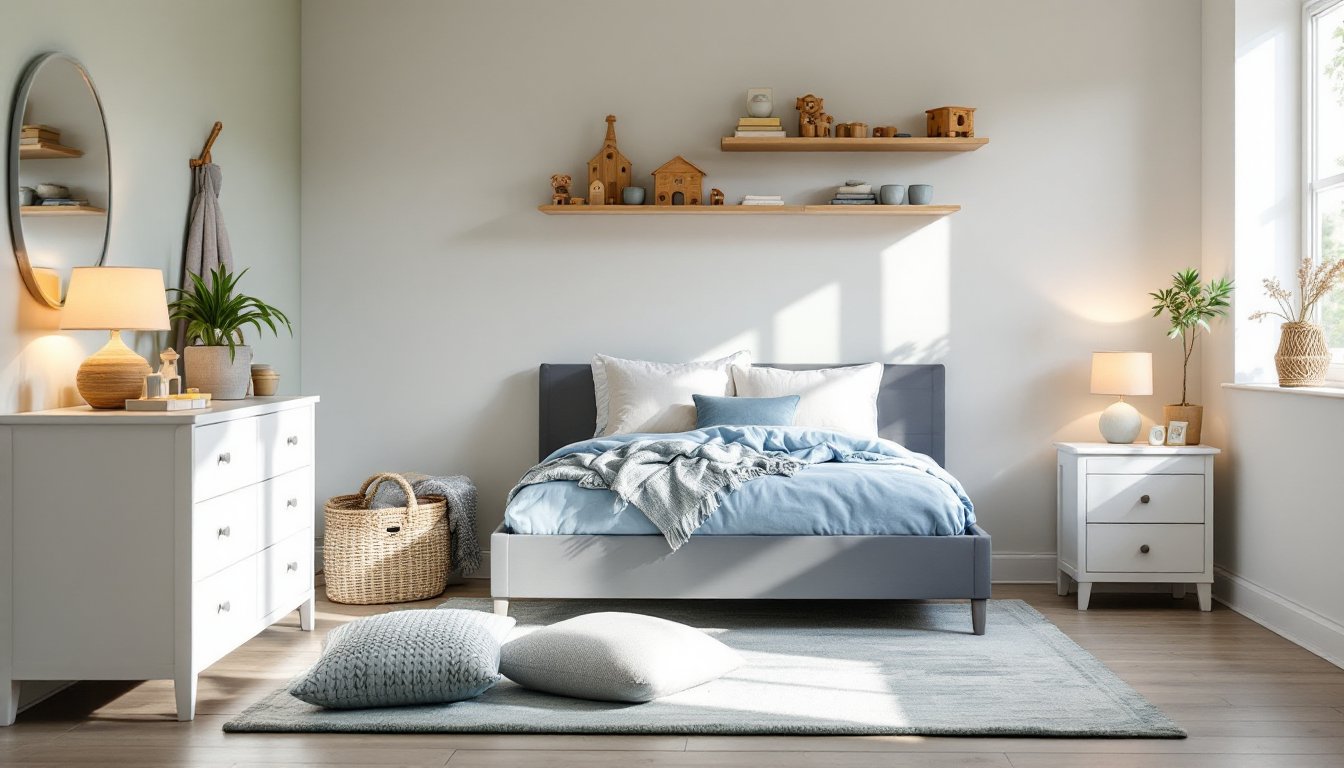
Setting up a kid’s bedroom that’s both practical and appealing is no small task. Parents want furniture that survives spilled juice, repeated jumps on the mattress, and evolving design tastes without falling apart or very costly. Ashley Furniture has built a solid reputation for delivering durable, well-designed kids’ bedroom sets that balance quality with affordability. Whether a parent is furnishing a toddler’s first “big kid” room or updating a teen’s space, understanding what Ashley offers and how to pick the right set makes the process far less overwhelming. This guide walks through the popular collections, selection tips, and smart shopping strategies to find a set that fits both the child’s personality and the family’s budget.
Table of Contents
ToggleKey Takeaways
- Ashley Furniture kids bedroom sets combine solid wood construction with engineered wood to deliver durability and affordability that withstands years of active use.
- Contemporary and traditional collection styles at Ashley offer flexibility for different age groups and room sizes, with features like under-bed drawers and integrated desks that maximize storage.
- Selecting the right Ashley Furniture kids bedroom set requires matching the furniture to your child’s age trajectory, actual room dimensions, and honest storage needs rather than showroom aesthetics.
- Shopping strategically during back-to-school season, end-of-quarter clearances, and Ashley’s holiday sales can yield 25–35% savings plus interest-free financing options on larger purchases.
- Pairing a neutral Ashley kids bedroom set with smart design choices like vertical shelving, proper lighting, and designated zones creates a functional space that grows with your child.
- Part availability and Ashley’s transparent warranty support make long-term maintenance easier, ensuring replacement components and repairs don’t require extensive troubleshooting.
Why Choose Ashley Furniture for Kids’ Bedrooms
Ashley Furniture has earned trust among homeowners because the company focuses on real-world durability and value, not just trendy aesthetics. Kids’ furniture takes a beating: drawers get yanked, mattresses get jumped on, and finishes encounter sticky fingers and marker accidents. Ashley’s kids’ bedroom sets use solid wood construction combined with engineered wood in smart ways, meaning the pieces resist warping and hold up to years of active use.
One key advantage is variety without overwhelming complexity. Ashley offers enough style diversity that kids genuinely like their rooms while parents appreciate straightforward assembly and proven construction. The brand also keeps pricing transparent: sets rarely have hidden costs or assembly fees that surprise at checkout.
Another practical win: parts availability. When a drawer front gets dented or a shelf breaks, Ashley makes replacement components accessible through authorized dealers and their website. This matters when furnishing a child’s room, something will eventually need repair or replacement. The company’s warranty structure is clear, and support doesn’t require navigating a maze of fine print.
For families shopping kids bedroom furniture, Ashley balances the “it has to look decent” factor with the “it has to survive daily chaos” factor better than many competitors in its price range.
Popular Ashley Furniture Kids Bedroom Collections to Consider
Contemporary and Modern Designs
Ashley’s modern kids collections often feature clean lines, neutral color palettes, and smart storage integration. Sets in this category typically include a low-profile bed frame, a dresser, and a nightstand with simple hardware and minimal ornamentation. Colors like soft gray, white, and natural wood tones dominate, making these sets flexible as a child grows and room décor preferences shift.
These modern designs work well in shared bedrooms because they don’t demand visual dominance. Pairing a contemporary Ashley set with bold bedding or wall color lets the kid personalize the space without fighting the furniture itself. The streamlined aesthetic also means easier cleaning and fewer dust-catching details.
Popular lines in this style include collections with built-in desk spaces, a smart move for school-age kids needing assignments real estate. Ashley typically builds these desks at an appropriate height for a child without requiring assembly gymnastics. Drawer depth and spacing are designed with actual toys, books, and clothing in mind.
Traditional and Classic Styles
For families drawn to timeless aesthetics, Ashley’s traditional kids collections feature more detail: raised panels, turned legs, darker finishes like cherry or espresso, and occasionally decorative hardware. These sets project a more formal, finished-room appearance, some parents love that, while others find it at odds with how kids actually live.
Traditional designs do hide wear slightly better than minimalist styles: a scuff on a espresso finish is less visible than one on white laminate. That said, traditional pieces often come with more joints and crevices where dust accumulates, and the heavier visual weight can make a small bedroom feel cramped.
Ashley’s classic lines often include matching headboards with storage, which adds functionality without requiring a separate shelf unit. These sets pair well with traditional home décor if the bedroom sits near a living or dining area, maintaining visual coherence throughout the home.
How to Select the Right Bedroom Set for Your Child’s Age and Needs
Choosing the correct set hinges on honest assessment of three factors: the child’s current age, anticipated room lifespan, and available space.
Age and Growth. Toddlers and preschoolers benefit from lower beds with safety rails, but by age six or seven, most kids transition to standard twin or full-size beds. Ashley offers both dimensions in its kids lines. If a child is currently three years old, a full-size bed seems wasteful now but becomes practical by age eight or nine. Consider the trajectory: buying a set that works from age five to fifteen often makes financial sense compared to replacing everything at age twelve.
Room Size Reality Check. A five-piece bedroom set that looks great in a showroom can overwhelm a 10-by-12-foot bedroom. Measure the actual floor space and create a rough furniture layout before shopping. A twin bed with dresser and nightstand requires roughly 100 square feet of clear floor: a full bed needs a few extra feet. If the room’s tight, skip the armoire and rely on closet space or wall-mounted shelving.
Storage Needs. Kids accumulate toys, clothes, sports equipment, and art projects rapidly. Ashley sets with under-bed drawers or integrated desks with shelving save space while meeting real storage demands. Look at the specific drawer count and depth: shallow drawers frustrate kids trying to stow clothing or toys.
Material Durability vs. Price. Solid wood holds up longer than particle board or laminate, but Ashley’s better value comes from hybrid construction: solid wood on visible frames and joints, engineered wood on panels and backing. This approach survives a decade of use better than full laminate at a fraction of solid-wood pricing.
When browsing bedroom furniture stores, ask staff about the exact construction of specific sets rather than assuming all pieces in a price bracket are equivalent.
Budget-Friendly Options and Where to Find Deals
Ashley Furniture itself runs frequent sales, especially during Labor Day, Black Friday, and early January. Signing up for the company’s email list alerts customers to flash promotions before they sell out. Most authorized retailers also discount sets periodically, though not always at the same time.
Warehouse and Outlet Options. Ashley operates outlet locations that carry overstock and floor models at 20–40% discounts. If a showroom model has a minor cosmetic issue, a barely-visible scratch on the side or slightly dented drawer, the price drops considerably. Floor models have been assembled and disassembled, sometimes multiple times, so inspect joints and drawer slides before committing.
Timing Strategies. End-of-month and end-of-quarter closings often trigger clearance pricing to make room for new inventory. Back-to-school season (mid-August through September) features promotions on bedroom sets because many families refresh kids’ rooms before the school year. Manufacturers’ discontinued lines also drop in price, last season’s styles are perfectly functional and often look nearly identical to current offerings.
Financing and Bundle Deals. Many retailers offer interest-free financing on purchases over a certain amount (typically $500–$1,000). If the family has stable income and can manage monthly payments, this spreads the cost without added expense. Some stores also discount bundles: buying the bed, dresser, and nightstand as a set rather than individually saves 10–15% compared to separate purchases.
Shopping discount bedroom furniture strategies alongside watching for Ashley’s sales calendars typically nets 25–35% savings compared to regular retail pricing. Patience pays off, buying in-season (back-to-school or holiday) rather than on impulse usually means better deals.
Design Tips for Creating a Functional and Inviting Kids’ Bedroom
An Ashley Furniture set provides the foundation, but room design transforms it into a space the kid actually wants to spend time in.
Color Pairing. Neutral Ashley pieces, white, gray, or natural wood, act as a backdrop, letting bedding, wall color, and accessories tell the personality story. A soft sage wall with a gray Ashley bed and blue bedding creates calm: the same furniture with mustard walls and bold orange bedding projects energy. This flexibility means the furniture doesn’t feel childish at age fourteen while still working for a seven-year-old now.
Vertical Storage Strategy. Kids’ rooms are often small, so using wall space reduces floor clutter. Above a dresser, add floating shelves for books or display: above the bed, install a small pegboard for organizing sports gear or art supplies. This approach complements Ashley’s horizontal pieces without requiring additional large furniture.
Lighting Matters. Overhead ceiling lights alone make a room feel institutional. Pair a ceiling fixture with a bedside lamp (on the nightstand or a wall sconce) and task lighting at a desk area for assignments or hobbies. Proper lighting makes the room feel larger and more inviting than flat, shadowless overhead-only illumination.
Zones Within the Space. Even a single bedroom functions better when sleeping, playing, and studying zones are visually distinct. Position the bed against one wall, the desk (if included) against another, and use a small rug to anchor the play or reading area. This mental separation helps kids transition from active play to calmer bedtime routines.
Textiles and Soft Furnishings. A quality bedding set, throw pillows, and a rug soften the hard edges of furniture and make the room feel complete. Parents often overlook bedding investment, but good cotton or cotton-blend sheets and a durable comforter make beds feel genuinely comfortable, kids will actually want to sleep there. Resources like Young House Love showcase budget-friendly ways to layer textiles for visual impact and coziness.
Reduce Visual Noise. Kids’ rooms filled with posters, toys on every surface, and mismatched décor can feel chaotic. Designate specific display areas (a bulletin board, a shelf) rather than scattering items everywhere. One or two statement pieces, a large canvas print, a prominent bookshelf, create focus without visual overload.
Final Thoughts: Investing in the Right Kids’ Bedroom Set
Selecting an Ashley Furniture kids’ bedroom set combines practical durability, honest pricing, and genuine style flexibility. Rather than chasing trendy pieces that feel dated in three years, Ashley’s collections age gracefully because the construction resists decay and the designs don’t scream “2026.”
The right set, chosen for actual room dimensions, the child’s age trajectory, and honest storage needs, becomes the anchor point for a bedroom that truly works. Pair it with smart shopping timing, thoughtful color choices, and functional accessories, and a parent ends up with a room that survives childhood while the kid genuinely enjoys spending time there. That’s the real win.