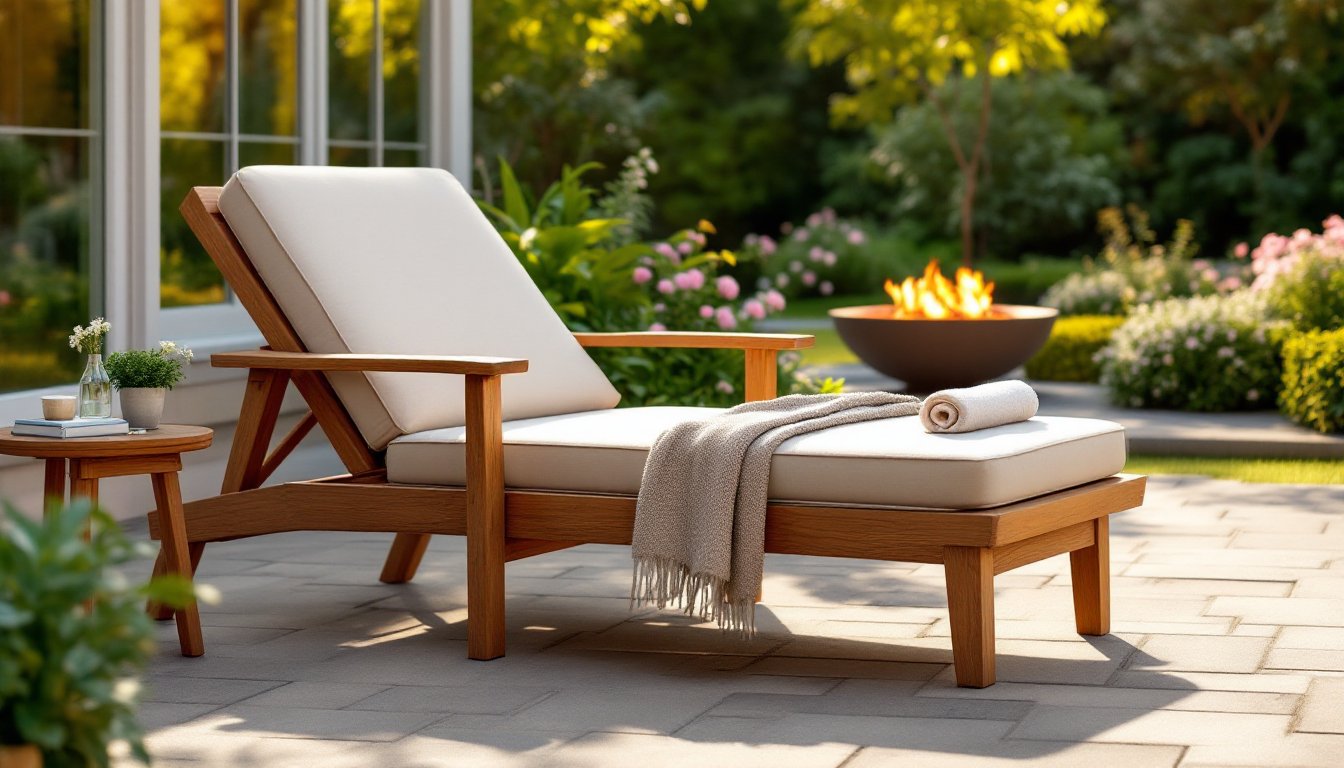
A good patio furniture lounge chair is more than just a place to sit, it’s the anchor of outdoor relaxation. Whether you’re building a backyard retreat or upgrading worn seating, the right lounge chair ties together comfort, durability, and style while standing up to sun, rain, and regular use. With so many materials, designs, and price points on the market, picking one that fits your space and lifestyle can feel overwhelming. This guide walks you through the essentials: how to evaluate style options, materials that actually last, comfort features that matter, and the maintenance reality behind different choices. By the end, you’ll know exactly what to look for and how to avoid the common mistakes that leave DIYers with a chair that doesn’t deliver.
Table of Contents
ToggleKey Takeaways
- A quality patio furniture lounge chair balances comfort, durability, and style while matching your climate, space, and maintenance commitment.
- Popular lounge chair styles include recliners (compact, 30-36 inches), chaise lounges (sprawling, 70-75 inches), swivel rockers (social, 360-degree rotation), and modular sectionals (flexible configurations).
- Material durability varies by climate: teak and eucalyptus last 15+ years in dry areas, synthetic wicker outperforms natural wicker in humid regions, and aluminum frames work best with cushions to avoid heat conduction.
- Comfort depends on seat depth (28-30 inches for lounge chairs), cushion thickness (minimum 4 inches, ideally 6 with high-density foam), and adjustable positions that let you dial in the perfect recline.
- Proper maintenance takes only 20-30 minutes monthly: remove cushions before rain, wash covers with mild soap, treat wood frames with teak oil annually, and position lounges in partial shade to slow UV fading.
- Measure your patio space carefully—compact recliners suit spaces under 100 sq ft, chaise lounges fit 100-250 sq ft patios, and sectionals work best on larger 250+ sq ft areas with good sight lines.
Understanding Lounge Chair Styles and Design Options
Patio furniture lounge chairs come in several distinct styles, and picking the right one depends on your outdoor layout and how you’ll actually use the space.
Recliners are the workhorses of outdoor lounge seating. They tilt back to multiple positions, letting you adjust from upright reading to nearly flat sunbathing. Modern outdoor recliners often feature aluminum frames with sling fabric or cushioned seats. They’re compact, usually occupy a 30-inch to 36-inch footprint, and work well on smaller patios.
Chaise lounges are the long-form recliners, think pool lounger with a footrest built in. A full chaise is typically 72 inches long and 30 inches wide, so you need real estate. The advantage? Pure sprawl comfort. The downside is they dominate a patio and often come with a higher price tag. If you have the space, a chaise is the move for serious relaxation.
Swivel rockers combine a cushioned seat with a rotating base. They’re social furniture, you can face different directions without standing, making them ideal for patios where you want to chat or watch activity. They’re usually 30 to 32 inches wide and 35 inches deep.
Lounge sectionals are modular, multi-piece systems that let you configure seating but you want. You can start with a corner and add an ottoman or chair later. Flexibility is the big draw, but initial cost is higher.
Consider traffic patterns and sun exposure before choosing. A recliner on a small patio tucked against the house works great. A chaise in an open, sunny yard where you’ll nap? Perfect. A swivel rocker near your grill where you’ll supervise cooking? Ideal. The best lounge chair is the one you’ll actually use.
Materials and Durability: What to Look For
Wood, Metal, and Synthetic Materials
Teak and eucalyptus hardwoods are the premium choice. Teak is naturally rot-resistant thanks to its oil content and weathers beautifully to a silver-gray patina without rotting, it’ll last 15+ years with minimal care. Eucalyptus offers similar durability at a lower price point. Both are dense enough to handle rain and sun without splintering quickly. The catch: real teak is expensive, often $800–$2,000+ per lounge chair. Eucalyptus runs $400–$800. If you choose wood, expect to apply teak oil every 1–2 years to maintain color, or let it silver naturally.
Aluminum frames are lightweight, rust-proof, and easy to move. They pair well with sling fabric (think resort-style) or cushions. A quality aluminum lounge chair costs $300–$600. The downside is that aluminum conducts heat, metal gets hot in direct sun, so always pair it with cushions or fabric. Cheap aluminum can feel flimsy: look for extruded (not hollow tube) frames rated for outdoor use.
Steel, especially powder-coated steel, is heavier and more durable than aluminum but requires good paint maintenance. Rust is always a risk in humid climates or near salt water. If considering steel, verify the powder-coat is UV-rated and inspect welds closely, poor welds fail faster.
Wicker and rattan, whether natural or synthetic, add softness and style. Real wicker rots in wet climates: synthetic wicker (made from resin-coated polyethylene) lasts 10+ years with no special care. Synthetic wicker costs more upfront ($400–$1,000) but beats real wicker for durability in damp climates. Pair it with weather-resistant cushions for comfort.
Resin and plastic lounge chairs are the budget option, $100–$300. They’re UV-stabilized to resist fading and can take a beating. They’re lightweight and easy to store, but won’t feel as premium as wood or wicker, and some feel flimsy after a year. They’re fine for rental properties or kids’ furniture, but less ideal if you’re planning to enjoy them daily for years.
Climate matters most. Coastal areas with salt spray demand stainless steel hardware and synthetic materials. Dry climates can handle wood longer. High-humidity zones need synthetic or metal, never untreated wood.
Comfort and Ergonomic Features That Matter
A beautiful lounge chair you can’t sit in for more than 15 minutes isn’t worth the money. Real comfort comes from specific design choices.
Seat depth and angle are critical. Standard seat depth is 24–26 inches, but lounge chairs often go 28–30 inches, giving your legs full support. The backrest angle matters too, a 45-degree recline is comfortable for reading: anything flatter requires a footrest or ottoman. Premium lounge chairs have adjustable positions (usually 5–7 settings) so you can dial in what feels right.
Cushion thickness and fill directly affect comfort. A 4-inch cushion is minimum for all-day sitting: 6 inches is better. Look at fill material: high-density foam (2–3 lb density) holds up longer than cheap 1 lb foam, which flattens in a season. Polyester or high-loft fiberfill is more weather-resistant than down. Some premium outdoor cushions use quick-dry foam that resists moisture and mildew.
Armrests and supports shouldn’t be an afterthought. Wide, flat armrests (at least 4 inches wide) let you rest your arms comfortably. On recliners, ensure the armrests don’t dig into your shoulders at a reclined angle. Neck pillows or head supports are nice-to-have for napping.
Sling fabric on recliners needs to be taut and supportive. Cheap sling stretches out, sagging into a hammock-like sag that kills your posture. Better fabrics like Sunbrella or solution-dyed acrylic hold their shape and won’t sag after a season.
Test before buying if you can. Sit in the chair at multiple recline positions. If ordering online, check return policies, what feels good in a photo might not work for your body. Real comfort isn’t a luxury: it’s the whole point of a lounge chair.
Sizing and Space Considerations for Your Patio
A lounge chair that’s too big for your patio becomes an obstacle you avoid, not a feature you use.
Measure your space first. Account for walkways (minimum 2–3 feet of clearance), grills, fire pits, and other furniture. A standard recliner is 30–36 inches wide and 28–32 inches deep, that’s roughly the size of a desk. A chaise lounge runs 70–75 inches long and 30 inches wide, so it needs a dedicated zone. If your patio is 8×10 feet and you want to seat four people comfortably, a single chaise eats up too much real estate.
For small patios (under 100 sq ft), stick with a compact recliner or two swivel rockers. They’re flexible and easy to tuck against the house.
For medium patios (100–250 sq ft), a chaise lounge plus a side table works. You have room to breathe and it becomes a focal point.
For large patios (250+ sq ft), sectionals or multiple lounges make sense. You can create zones, one for lounging, one for dining, one for conversation.
Consider sight lines too. Position the lounge to look out at your yard, not at your neighbor’s fence. If you have views, a garden, water, mountains, angle the chair toward them. A lounge chair aimed at the wrong view kills the whole experience.
Weight and portability matter if you’ll store it seasonally. Aluminum recliners weigh 20–30 lbs and move easily. Teak chaises run 80–120 lbs and need two people and a plan. If you’re moving the chair regularly, factor that into the material choice.
Maintenance and Weather Protection Tips
The best lounge chair degrades fast without proper care. Most failures come from neglecting off-season storage or letting dirt and moisture build up year-round.
Cushion care is the biggest maintenance task. Remove cushions before rain or store them in a waterproof bag. Even quick-dry foam can grow mildew if left damp for weeks. Wash cushion covers monthly with mild soap and a soft brush, salt, pollen, and bird droppings accelerate fading and degradation. Let cushions fully dry before putting them back on the frame.
Frame maintenance depends on material. Wooden lounges need a teak oil treatment every 12–18 months to prevent drying and cracking: skip it and the wood will weather to gray (which is fine if you like the look, but it doesn’t restore grain). Wicker and rattan benefit from a light rinse with a hose and soft brush twice a year. Metal frames usually only need a quick spray-down unless you see rust forming, then spot-treat with a wire brush and touch-up paint matching the frame.
Winter storage is essential in freezing climates. Cold doesn’t kill most lounge chairs, but the freeze-thaw cycle does. If your region gets below 32°F regularly, move lounges indoors or under a deck for winter. Even cushions freeze-thaw and degrade faster.
Covers and tarps help but aren’t a substitute for off-season storage. A loose tarp traps moisture underneath: a fitted cover rated for outdoor use is better. Some homeowners use outdoor lounge chairs that feature weather-resistant designs to minimize maintenance needs.
UV fading is inevitable, but you can slow it. Position lounges in partial shade during peak sun hours (11 AM–3 PM). Rotate cushions every month so fading is even. Sunbrella and solution-dyed fabrics resist fading longer than standard acrylic.
Clean spills immediately. Leave a soda or sunscreen on fabric for hours and it’ll stain permanently. Keep a soft cloth and mild cleaner nearby for quick touch-ups.
The honest truth: any lounge chair needs 20–30 minutes of care monthly to stay looking good. If you’re unwilling to do that, buy the cheapest option and replace it every 3 years rather than investing in a premium piece you won’t maintain.
Conclusion
Choosing the right patio furniture lounge chair comes down to matching your climate, space, budget, and actual use. A lounge chair that fits your lifestyle and gets proper seasonal care will reward you with years of relaxation. Spend time measuring, testing comfort if possible, and honestly assessing your maintenance willingness before buying. The best lounge chair isn’t the most expensive one, it’s the one you’ll sit in regularly and take care of properly.