Patio furniture takes a beating. Sun, rain, snow, humidity, and temperature swings work together to break down materials faster than you’d expect. A cheap set might look fine at the store, but sit for a season and you’ll watch paint peel, cushions mildew, and joints loosen. Choosing durable patio furniture isn’t about picking the prettiest option, it’s about understanding which materials and construction methods actually stand up to weather and time. The good news is that genuinely long-lasting outdoor pieces exist, and they don’t always cost a fortune. This guide walks through the materials, features, and maintenance habits that separate furniture that lasts years from pieces you’ll be replacing annually.
Table of Contents
ToggleKey Takeaways
- The most durable patio furniture combines weather-resistant materials like teak, aluminum, and composites, offering 10+ years of reliable use versus cheaper alternatives that deteriorate in 1–2 seasons.
- Aluminum is the best metal choice for most climates due to its natural rust resistance and lightweight durability, while stainless steel suits coastal regions and regular steel requires ongoing maintenance.
- Quality joinery using stainless steel fasteners, welds, and corner braces prevents wobbling and joint failure, making construction details as important as material selection.
- Protective finishes like powder coating on metal and marine-grade sealers on wood extend durability significantly more than single-coat applications or standard finishes.
- Regular maintenance—including monthly cleaning, annual hardware tightening, resealing every 2–3 years, and seasonal storage—is essential to maximize patio furniture lifespan and prevent costly replacements.
Why Durability Matters in Outdoor Furniture Choices
Outdoor furniture is an investment. A quality dining set or lounge chair easily costs $500 to $2,000 or more, so replacing it every couple of years isn’t practical, or kind to your wallet. More importantly, durability affects safety and function. Wobbly legs, cracked supports, and degraded fabrics invite accidents. When you buy furniture built to last, you’re buying peace of mind.
Climate plays a huge role. If you live in a hot, dry region, UV exposure accelerates fading and material breakdown. In humid areas, moisture seeps into wood and metal crevices, causing rot and rust. Cold climates add freeze-thaw cycles that crack wood and weaken joints. Coastal zones introduce salt spray, which corrodes metal aggressively. Understanding your local conditions helps you pick materials that won’t deteriorate within a year or two.
Cheaper outdoor sets often use thin-gauge metal frames, low-grade plastics, or untreated wood. They’re designed for a season or two, not long-term use. Quality furniture invests in thicker materials, weather-resistant finishes, and joinery that doesn’t rely on adhesives alone. That upfront cost difference usually pays for itself within three to five years of ownership.
Top Materials for Long-Lasting Patio Furniture
Metal and Aluminum Options
Aluminum is the go-to for weather resistance. It doesn’t rust because it oxidizes into a protective layer, making it ideal for damp or coastal climates. Aluminum frames are lightweight, which means you can move pieces without help, yet strong enough to support adults without sagging. Most quality outdoor furniture uses extruded aluminum (thicker stock that’s shaped through a die) rather than cast aluminum, which can be brittle. Look for powder-coated finishes, they last longer than painted or anodized surfaces. A cast aluminum set with cushions might cost $1,200 to $3,000, but it’ll outlast cheaper materials by years.
Steel is heavier and stronger but requires more maintenance. Stainless steel resists rust much better than standard steel, making it popular for coastal properties and humid regions. But, stainless steel is expensive and overkill for inland climates. Regular steel needs rust-inhibiting paint or powder coating and regular touch-ups if scratches expose bare metal. If you go with steel, budget for annual inspections and touch-up paint.
Wrought iron looks beautiful and is incredibly durable, but it’s heavy, expensive, and demands regular maintenance. Rust will form on bare spots within weeks, so you’ll need to repaint every few years. It’s a premium option best suited to homeowners who enjoy maintenance.
Wood and Composite Materials
Teak is the gold standard for outdoor wood. This hardwood has natural oils that repel water and resist rot, pest damage, and decay. A teak dining set easily lasts 15+ years with minimal care. The catch is price, teak can cost three to four times what other woods cost. It also grays naturally over time: if you want to preserve the rich color, you’ll need annual sealing.
Ipe (also called Brazilian walnut) is another excellent hardwood option. It’s denser than teak, more affordable, and naturally resists rot and insects. Like teak, it grays without sealing, and it’s harder than teak, making it tougher (but heavier).
Pressure-treated lumber is commonly used in outdoor furniture. It’s affordable and resists rot and insect damage due to chemical treatment. But, pressure-treated wood isn’t as durable as teak or ipe, and the chemicals can leach into soil over time. Expect to repaint or reseal every 2–3 years.
Composite materials blend wood fibers with plastic binders, creating something that looks like wood but resists rotting and splintering. Brands like Polywood use recycled plastic and sawdust, resulting in furniture that lasts 20+ years without painting or staining. Composites don’t require sealing and won’t develop splinters. The downside is they can’t be sanded or refinished like real wood, and some people dislike the plastic feel. Comprehensive home improvement guides offer detailed comparisons of composite versus solid wood options.
Key Features That Enhance Furniture Longevity
Beyond material, construction details separate durable furniture from throwaway pieces.
Joinery and fasteners matter enormously. Quality outdoor sets use stainless steel or galvanized bolts that won’t rust and corrode. Welded joints (especially on metal frames) are stronger than bolted connections: if bolts come loose, you can tighten them, but welds don’t fail in the same way. Wood furniture should use mortise-and-tenon joints or dowels rather than nails alone. Avoid pieces held together with just adhesive, outdoor temperature swings eventually break glue bonds.
Hardware and corner braces add rigidity. Quality sets reinforce corners and stress points with gussets or triangular braces. This prevents wobbling and extends the life of joints. Check that bolts and screws are accessible for tightening: if they’re hidden under cushions or trim, you can’t maintain them.
Finishes and coatings determine how long materials stay protected. Powder coating (a baked-on finish) lasts much longer than spray paint. Marine-grade sealers for wood are more durable than standard deck stains. Multiple coats of finish provide better protection than single-coat applications. If the product spec sheet doesn’t mention finish type or layers, assume it’s cheap and won’t last.
Cushions and fabrics extend durability by reducing wear on structural elements. Sunbrella or Olefin fabrics resist UV fading and mildew far better than standard outdoor fabric. Removable, washable covers let you clean spills immediately, preventing stains and mold. Store cushions indoors during winter in cold climates: freeze-thaw cycles degrade foam and fabric. Quality cushions with zipper covers cost more upfront but survive 5+ years of use. Budget-grade cushions may start breaking down after one season.
Maintenance Tips to Maximize Your Patio Furniture Lifespan
Durable furniture still needs care. A few simple habits dramatically extend its life.
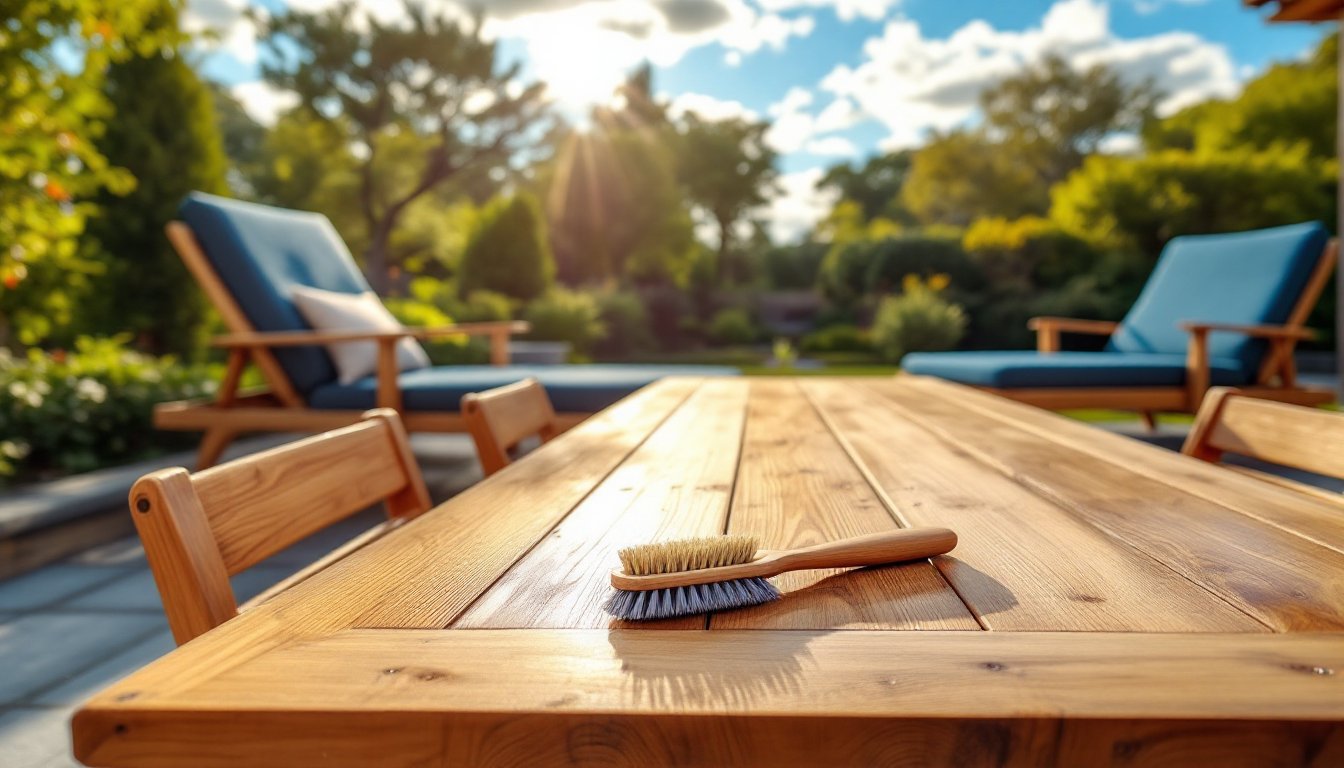
Regular cleaning prevents mold, mildew, and algae. Use mild soap and a soft brush or cloth to wipe frames and cushions monthly during the season. For stubborn stains, use a low-pressure rinse (not a high-pressure washer, which can damage finishes and seals). Let everything dry fully before storing or using. Moisture sitting in crevices invites decay.
Reseal or repaint on schedule. Wood furniture needs resealing every 2–3 years depending on your climate. Steel needs touch-up paint if rust spots appear. Composite and aluminum pieces need less frequent attention but still benefit from occasional cleaning and inspection. Landscape inspiration and outdoor living guides outline seasonal care routines for specific materials.
Tighten hardware annually. Bolts and screws loosen with temperature swings and vibration from normal use. A few minutes with a wrench or screwdriver each spring prevents wobbling and joint failure. Check welds for cracks, especially on heavy-use pieces like swings or benches.
Store or cover pieces in off-season. In cold climates, move furniture indoors or under a waterproof cover during winter. Covers (rather than tarps, which trap moisture) let air circulate while blocking rain and sun. If you can’t store or cover, at least elevate cushions and covers off the ground, standing water accelerates decay. Southern home design and regional outdoor living ideas discuss year-round patio strategies for different climates.
Replace worn hardware and cushions before they fail. A torn cushion cover lets moisture reach the foam, leading to mildew and structural damage. A rusted bolt can snap unexpectedly. Replacing these small items promptly is far cheaper than replacing an entire piece.
Conclusion
The most durable patio furniture combines weather-resistant materials (teak, aluminum, composites), solid joinery, and protective finishes. Aluminum frames, recycled-plastic composites, and teak wood are your safest bets for 10+ years of reliable use. That upfront investment pays dividends through reduced replacement costs and fewer seasonal repairs. With consistent maintenance, cleaning, resealing when needed, and tightening hardware, your furniture will outlast cheaper alternatives many times over. Choose once, care for it properly, and enjoy your outdoor space for years to come.