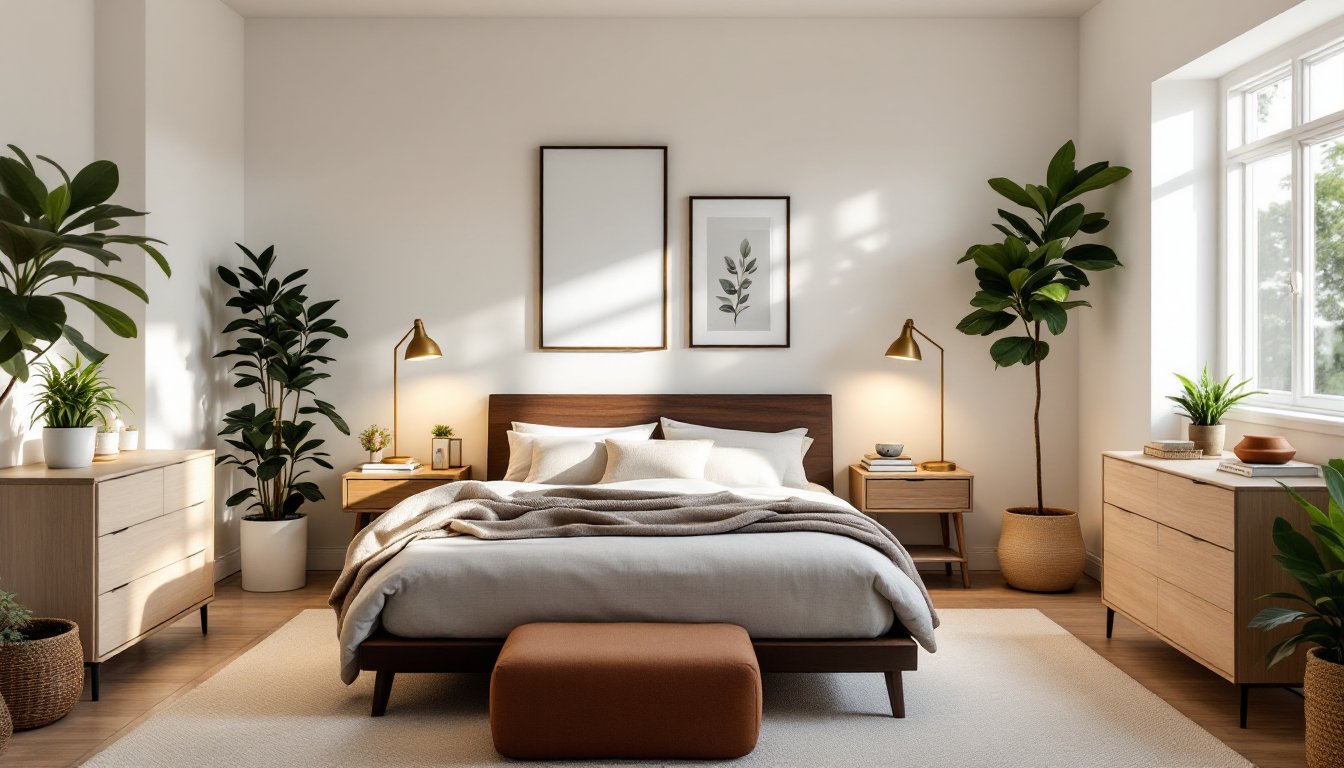
Mixed wood bedroom furniture is no longer a design gamble, it’s a smart, sophisticated choice that’s dominating bedrooms everywhere in 2026. Instead of matching every nightstand, dresser, and bed frame to a single wood tone, today’s homeowners are confidently blending walnut with oak, cherry with maple, and light finishes with dark ones. The result? Rooms that feel collected, lived-in, and genuinely warm rather than showroom-sterile. This approach works because it mirrors how real homes actually come together: pieces acquired over time, each with its own character, now speaking to each other in harmony. If you’ve felt stuck choosing between a dark headboard and light dressers, or wondered whether mixing woods would look chaotic, this guide cuts through the confusion.
Table of Contents
ToggleKey Takeaways
- Mixed wood bedroom furniture creates depth and visual interest by blending different wood tones like walnut, oak, and cherry rather than forcing uniform matching sets.
- Understanding undertones—warm (oak, cherry) versus cool (walnut, ash)—is essential when choosing compatible woods, as mismatched undertones can create visual tension.
- Apply the three-tone rule: use a dominant wood tone (60%), secondary tone (25%), and accent tone (15%) to maintain balance and avoid a cluttered appearance.
- Finish consistency, whether matte or glossy, ties mixed wood pieces together visually—avoid dramatic swings between super-shiny and flat finishes within the same room.
- Warm-toned lighting (2700K) and neutral textiles like cream linens or soft gray blankets help harmonize mixed woods and prevent intentional contrast from feeling chaotic.
- Mixed wood design succeeds because it reflects how real homes actually accumulate furniture over time, creating spaces that feel collected and authentically lived-in rather than sterile showrooms.
What Makes Mixed Wood Bedroom Furniture So Popular
Why Homeowners Are Embracing Multi-Tone Wood Design
Mixed wood design has become the antidote to cookie-cutter bedrooms. Unlike the all-matching furniture sets of decades past, blending different wood tones creates depth, visual interest, and a personality that feels earned rather than bought. Homeowners appreciate it because it solves a real problem: finding one piece in the right style, at the right price, from the right store is hard enough without insisting every piece match perfectly.
The appeal runs deeper than practicality. Mixed woods add richness, literally. A room with walnut and oak reads as more sophisticated than a room with all honey-toned pieces. It’s the interior design equivalent of layering textures in fashion. When you combine a dark wood bed frame with a light oak dresser and a medium cherry nightstand, each piece becomes more noticeable. Your eye travels and rests, travels and rests, making the room feel larger and more dynamic.
There’s also an honesty to it. Real bedrooms, ones that feel like home, accumulate furniture over time. An inherited dresser, a new bed frame found online, a nightstand picked up last year. They don’t match, and they don’t need to. Mixed wood design gives you permission to trust your instincts instead of forcing uniformity. Modern bedroom furniture increasingly reflects this reality, with designers building suites that play with contrast rather than sameness. This shift has made finding quality pieces simpler because you’re no longer hunting for an exact match, you’re hunting for pieces that complement.
Choosing the Right Wood Tones for Your Space
Identifying Compatible Wood Colors and Finishes
Not all wood combinations work. The key is understanding undertones, the hidden color beneath the primary shade. Oak leans warm and yellow. Walnut is cool and deep. Cherry sits in the middle with red undertones. When mixing, ensure your undertones are friendly. Pairing warm-toned ash with cool-toned walnut creates tension: pairing warm oak with warm cherry feels cohesive.
Start by identifying your dominant wood tone. This is usually your largest piece, typically the bed frame. Everything else should relate to it, either by contrast or companionship. If your bed is rich walnut (cool, dark), you have two moves: add lighter woods to create contrast, or add mid-tone warm woods to balance the coolness. A whitewashed or light gray dresser next to walnut feels modern and intentional. Honey-toned nightstands next to walnut feel grounded.
Finish matters as much as color. A matte walnut reads differently than a glossy walnut. When mixing woods, consistency in finish, whether matte, semi-gloss, or satin, ties pieces together visually. If you’re shopping for bedroom furniture near me or online, check product photos closely for finish type. Mixing a high-gloss piece with matte pieces can look accidental rather than designed. You don’t need every piece to have identical finish, but avoid dramatic swings between super-shiny and flat within the same visual space. One glossy accent (like a beveled nightstand top) reads intentional: three glossy pieces amid matte ones reads like they don’t belong together.
Creating Visual Balance and Harmony
Balance with mixed woods means distributing tone and visual weight thoughtfully. Imagine your bed frame, two nightstands, a dresser, and a chest of drawers on a bedroom layout. If the bed is dark and the dresser is dark and the chest is dark, the room feels heavy even if they’re different wood species. Sprinkle lighter pieces, nightstands, a bench at the foot of the bed, to lighten the composition.
The three-tone rule works well: pick a dominant wood (60% of visible furniture), a secondary wood (25%), and an accent wood (15%). This isn’t a hard mathematical law, but it prevents clutter. Say your bed frame and dresser are walnut (dominant, dark), your nightstands are oak (secondary, warm-medium), and a small bookshelf is maple (accent, light). This feels intentional and balanced.
Height and placement matter too. Don’t pile all your dark wood low and light wood high, or vice versa. Let your eye move around the room naturally. A tall dark dresser on one wall, a shorter light nightstand on another, a mid-height bench at the bed’s foot, this variation keeps the room from feeling monotonous. Think about sight lines. When you’re lying in bed or standing at the door, where does your eye land? Try to ensure no single wood tone dominates the view.
Practical Design Rules for Mixing Woods Effectively
Rule one: group by undertone warmth. Warm woods (oak, pine, cherry, hickory) play well together. Cool woods (walnut, ash, modern gray-stained options) play well together. If you’re blending warm and cool, do it intentionally with clear contrast, don’t muddle them in the middle. A pale ash dresser next to warm cherry reads striking. A medium-warm oak next to a medium-cool walnut looks confused.
Rule two: let finishes anchor relationships. Two pieces in the same finish look related even if their wood species differ. A matte walnut nightstand and a matte oak dresser feel like a pair because of the shared finish, even though walnut is cool and oak is warm. This is your tool for making intentional pairings.
Rule three: consider the room’s other elements. What color are your walls? White walls make mixed woods pop and read as modern. Warm beige walls ask for warm wood tones as your dominant color. Gray walls pair beautifully with cool walnut or ash. Your flooring matters too. Light wood floors usually want darker bedroom furniture tones to pop against them: dark wood floors can handle lighter pieces without feeling washed out. If you’re sourcing discount bedroom furniture or shopping bedroom furniture stores, always picture how pieces interact with your existing room before buying.
Rule four: scale matters. Mixing wood tones on a full-size bed frame and matching dresser reads totally different than mixing them on a small nightstand and a large wardrobe. The bigger the piece, the more its wood tone influences the room’s feel. Huge pieces should be your dominant tone: smaller accent pieces can be bolder in contrast.
Styling Mixed Wood Furniture for Maximum Impact
Once your mixed wood pieces are in place, styling amplifies harmony or creates intentional visual breaks. Textiles are your secret weapon. A linen bedspread in cream or soft gray softens contrast between pieces and creates a landing place for your eye. Throw blankets, pillows, and a rug in neutral or complementary tones (think warm cream, soft white, muted charcoal) tie mixed woods together without fighting them.
Lighting reveals or hides wood tone differences. Warm overhead lighting makes all woods feel warmer and more cohesive: cool LED lighting emphasizes the cool walnut and makes warm oak feel slightly disconnected. If you’re planning a mixed wood bedroom, consider warm-toned lighting (2700K color temperature bulbs) as your default. It’s more forgiving and makes the room feel intentional.
Decoratives matter less than you’d think but still count. Books, a table lamp, framed art, and plants positioned on your nightstands or dresser tops don’t need to “match” your wood tones, in fact, they shouldn’t. A brass lamp next to walnut wood looks intentional. A woven basket under a light oak table feels layered. You’re adding visual texture and personality, not trying to tie everything together with a bow. Think of styling as the difference between a bedroom and a sanctuary, the wood is the bones: everything else is the warmth.
Consider projects like building or refinishing dressers if you want to customize existing furniture or create pieces that fit your exact color palette. Resources like Instructables offer step-by-step tutorials for staining, finishing, and even building bedroom furniture pieces from scratch if you want complete control over tone and finish.
Making Mixed Wood Work: The Final Word
Mixed wood bedroom furniture succeeds because it trusts your eye and your home’s actual story. You’re not forced to buy everything as a set, and your bedroom doesn’t look sterile or overly planned. Instead, it looks like a real room where someone lives, and where they’ve made thoughtful choices over time.
Start with your largest piece. Build outward from there, letting undertone warmth and finish consistency guide you. Use lighting, textiles, and styling to tie pieces together. Remember that “matching” modern bedroom furniture no longer means identical, it means intentional. Whether you’re shopping bedroom furniture stores, exploring discount bedroom furniture options, or investing in premium pieces, these principles apply. The goal is a room that feels like yours, where different wood tones create depth and character instead of chaos. That’s what mixed wood design in 2026 is really about: confidence in trusting your instincts and refusing to apologize for pieces that don’t look factory-coordinated.
Your bedroom is too important to be boring. Mixed woods make sure it isn’t.