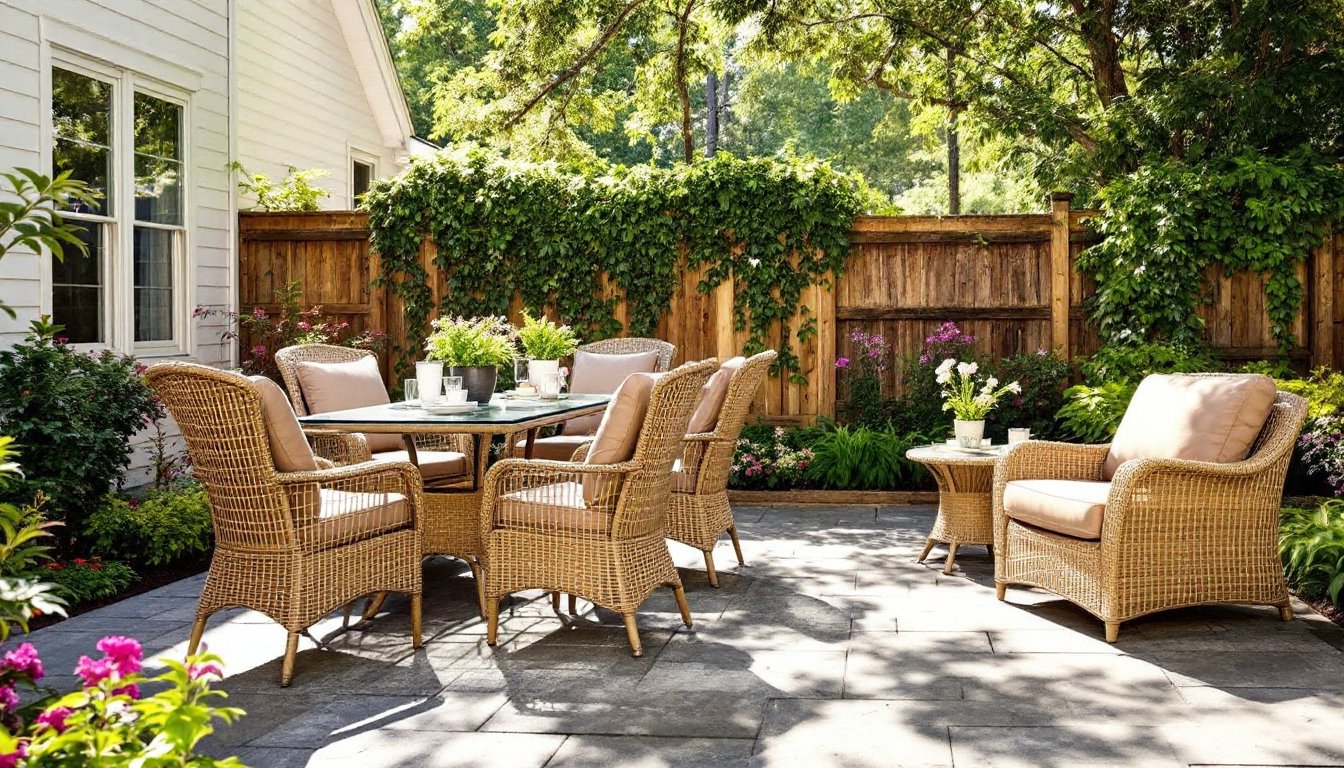
Wicker patio furniture has become a homeowner’s go-to choice for creating an inviting outdoor living space. Whether you’re furnishing a sprawling deck, a cozy balcony, or a sunroom, the best wicker patio furniture balances durability, comfort, and style without demanding constant upkeep. Unlike solid wood or metal pieces, wicker offers that natural, textured aesthetic while standing up to seasonal changes. This guide walks you through what makes wicker work for outdoor spaces, what types fit your layout, and how to keep your investment looking fresh for years to come.
Table of Contents
ToggleKey Takeaways
- The best wicker patio furniture combines lightweight construction with superior durability—synthetic wicker resists UV fading and moisture better than natural rattan, making it ideal for year-round outdoor use.
- Wicker chairs, loveseats, and dining sets offer design versatility across contemporary, coastal, and farmhouse styles while providing better cooling and aesthetic warmth than metal or plastic alternatives.
- Look for aluminum or reinforced frames, UV-resistant cushions (like Sunbrella), and weight capacity ratings when selecting quality pieces that will last 3–5 years or longer.
- Monthly cleaning with a soft brush and gentle hose spray, plus seasonal cushion rotation and breathable furniture covers, keeps your wicker patio furniture looking fresh without demanding intensive maintenance.
- Start with one quality seating or dining set as your anchor piece, then gradually add complementary side tables and accents to build a cohesive outdoor living space that encourages year-round enjoyment.
Why Wicker Is Perfect for Outdoor Living
Wicker has earned its place on patios and decks for solid reasons. The material is lightweight, making it easy to rearrange furniture for entertaining or seasonal storage. Unlike solid hardwood, wicker doesn’t require the same level of sealing or finishing work, a crucial advantage if you don’t want to spend weekends maintaining your outdoor setup.
Modern wicker, especially synthetic resin varieties, resists UV fading and moisture better than traditional natural rattan. Synthetic wicker won’t splinter, crack, or unravel in rain or intense sun, which means you can leave pieces outside year-round in most climates. The aesthetic versatility is another major draw: wicker pairs seamlessly with contemporary, transitional, coastal, and farmhouse design. It softens hard edges on a stone or concrete patio while adding warmth that metal or plastic furniture alone can’t deliver.
From a practical standpoint, wicker’s open weave keeps you cooler on hot days compared to solid seating. The texture also hides dust and pollen better than smooth surfaces, so you’re not constantly wiping things down. That said, wicker does require periodic cleaning and some basic protective care, but far less than natural teak or cedar.
Types of Wicker Patio Furniture to Consider
Seating Options: Chairs and Loveseats
Individual wicker chairs come in countless profiles: lounge chairs with deep seats for afternoon reading, wingback designs that provide back support, or sculptural accent pieces that work as standalone focal points. A lounge chair with cushioning offers maximum relaxation, while a simple dining or accent chair stays lightweight and flexible for repositioning. Loveseats and settees let you fit more people into a tighter footprint, ideal for smaller patios or beside a firepit.
When shopping, check the depth and height of the seat. A lounger should let your feet dangle comfortably or rest on an ottoman: a dining chair needs enough room to push back from a table. Cushion quality matters here: UV-resistant outdoor fabrics hold color and resist mildew far better than indoor upholstery. Brands often offer cushion packages, but you can also source replacements separately from outdoor textile suppliers.
Wicker chairs stack nicely, which is a bonus for seasonal storage or cleanup before entertaining. But, confirm weight capacity, wicker frames vary significantly depending on the underlying frame material (aluminum vs. wood) and the density of the weave.
Dining Sets and Tables
A wicker dining set typically pairs a table with four to six chairs, though you can mix and match pieces. Glass-top tables with wicker or aluminum bases feel light and open, while solid wood or metal tops add weight and durability. Glass requires more frequent cleaning (fingerprints show) but won’t splinter or rot.
Wicker dining chairs should be sturdy enough to support leaning back without flexing excessively. Look for chairs with reinforced joints and ideally a solid wood frame underneath the weave. Some sets include cushions: others sell them separately. Consider how many people you realistically seat, because pulling extra chairs from inside isn’t always convenient during meals.
Bar-height and bistro-style wicker tables work for smaller spaces or casual entertaining. These smaller footprints take up less visual real estate on a tight patio. Pairing a wicker bar table with a few wicker stools creates a casual gathering spot without the commitment of a full dining set.
Key Features to Look For When Shopping
Frame material is the backbone of any wicker piece. Aluminum frames offer the best longevity and lightweight handling, while solid wood frames add traditional character but require more maintenance. Check that the frame is powder-coated to resist rust and corrosion.
Wicker itself comes in two main types: synthetic resin wicker (plastic-based, superior UV and water resistance) and natural rattan (more authentic appearance, requires shelter and regular care). Synthetic wicker is easier to maintain and safer for humid or sunny climates, while natural rattan appeals to purists willing to invest extra effort. Many mid-range pieces blend the two, using synthetic wicker over a solid frame.
Cushion durability determines long-term comfort and appearance. Look for solution-dyed acrylic fabrics like Sunbrella, which won’t fade as quickly as standard outdoor fabrics. Check that zippers are reinforced and that covers are removable for washing. Quick-dry foam cores prevent water logging after rain.
Weight capacity matters if your household includes teenagers, adults of varying sizes, or frequent entertaining. Reputable manufacturers list this clearly. Lightweight wicker sets may max out around 250 pounds per chair, while heavier-duty pieces support 300+ pounds.
Finally, confirm warranty coverage. Quality manufacturers typically offer 3–5 year warranties against frame defects and weather damage. Natural rattan warranties are often shorter because the material’s lifespan is inherently limited. Recent curated collections of outdoor wicker sofas showcase pieces balancing style, durability, and real-world performance. Brands appearing in major design publications have already passed the durability test.
Care and Maintenance Tips for Longevity
Regular cleaning keeps wicker looking fresh and extends its lifespan. Every month or two, brush loose dirt with a soft brush, then hose down your furniture with a garden hose set to a gentle spray. For stubborn grime, mix mild dish soap and warm water, scrub lightly with a soft bristle brush, and rinse thoroughly. Avoid pressure washers, which can force water into joints and weaken the frame over time.
Inspect cushions seasonally and bring them inside during heavy rain or winter. Even “outdoor” fabrics can absorb water if left saturated for days. If you live in a humid or coastal climate, consider a protective cover, not the vinyl kind that traps moisture, but breathable furniture covers designed for outdoor use. Covers prevent UV fading and keep salt spray or pollen accumulation at bay.
For synthetic wicker, occasional UV protectant spray (the kind used on outdoor plastics) can slow fading, though quality synthetic wicker resists this better than older products. Natural rattan benefits from annual application of linseed oil or specialized rattan sealers during dry season, but this is optional maintenance if the piece is sheltered.
Inspect frame joints and fasteners yearly, especially after winter. Tighten any loose bolts with an appropriately sized wrench. If you notice splinters on natural rattan or small cracks forming, address them promptly before they spread. Most damage is cosmetic and doesn’t affect safety, but catching problems early prevents larger repairs later.
Store cushions in a dry, well-ventilated space over winter if you live where temperatures drop below freezing. Leave wicker furniture outside year-round only if it’s synthetic wicker and your climate doesn’t include ice storms or extreme temperature swings. Natural rattan should be brought under cover during winter in cold regions.
Conclusion
Choosing the best wicker patio furniture comes down to matching material durability to your climate, selecting pieces that fit your layout and lifestyle, and committing to basic seasonal care. Synthetic wicker gives you the look with lower maintenance: natural rattan delivers authenticity with more hands-on upkeep. Either way, wicker transforms a plain patio into a welcoming outdoor room that encourages you to spend more time outside. Start with a quality seating piece or dining set, let it anchor your space, and add side tables or accents as your outdoor living grows.