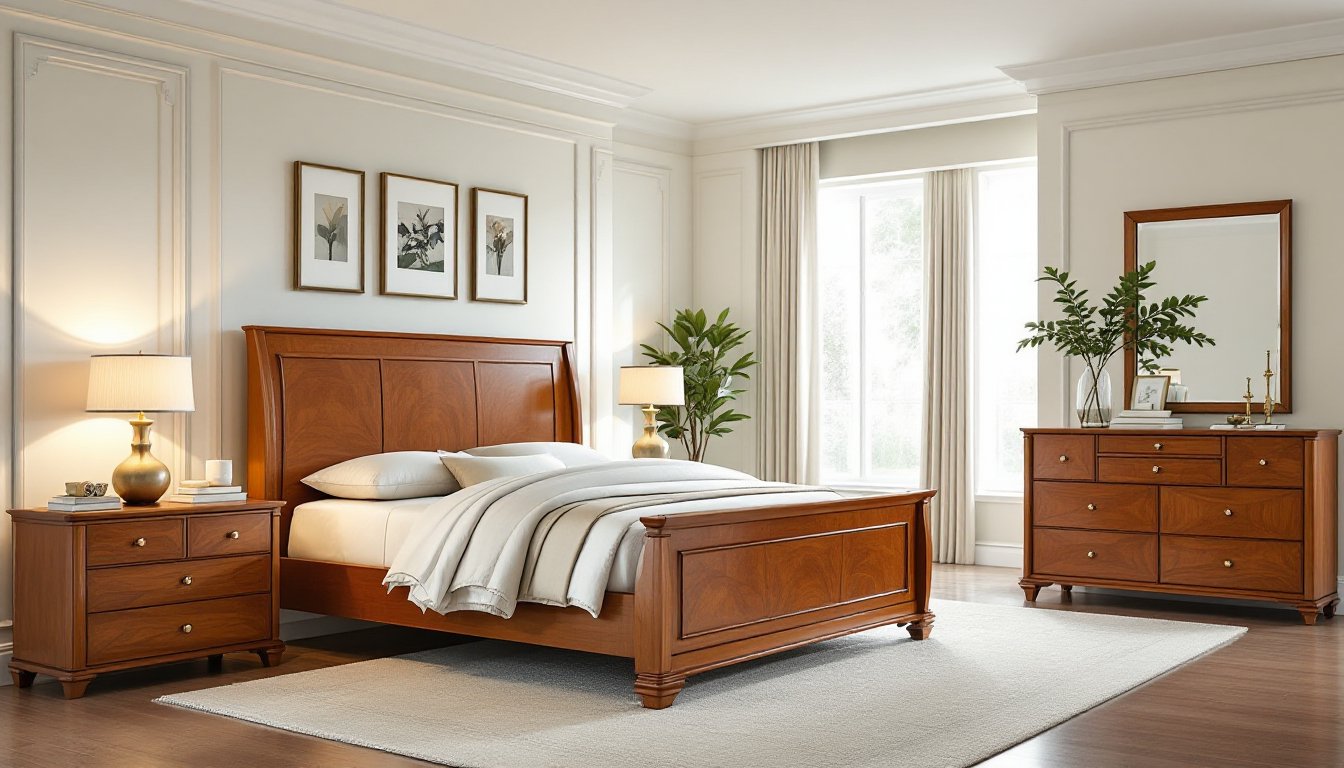
A king bedroom set is more than just furniture, it’s the foundation of a well-designed sanctuary. With a king bed measuring 76 inches wide by 80 inches long, it offers generous sleeping space for couples or those who simply prefer room to stretch. Choosing the right set involves understanding what components matter, which styles align with your home’s aesthetic, and how to evaluate quality and durability. Whether you’re furnishing a master suite or updating an existing bedroom, this guide walks you through the essentials of selecting a king bedroom set that balances style, comfort, and longevity.
Table of Contents
ToggleKey Takeaways
- A king bedroom set foundation includes a bed frame with mattress, plus complementary pieces like dressers and nightstands—confirm exactly what’s included before purchasing.
- King beds measuring 76 inches wide require a minimum room size of roughly 12 feet by 14 feet to feel comfortable, so measure your space and draft a floor plan before buying.
- Material quality dramatically impacts longevity: solid hardwood king bedroom sets last 15–20 years, while budget engineered wood options may need replacement within 5–7 years.
- Contemporary designs emphasize clean lines and platform beds that make smaller bedrooms feel larger, while traditional styles with ornate details anchor larger spaces and hold timeless appeal.
- Inspect joinery details like dowels and mortise-and-tenon joints plus drawer ball-bearing slides to assess durability, and always review warranty coverage before finalizing your purchase.
What Defines a King Bedroom Set
A king bedroom set typically includes several core components. The foundation starts with a bed frame, either a platform, adjustable base, or traditional frame with a footboard and headboard. Most sets also include a mattress and box spring or foundation, though some retailers sell the frame separately. Beyond the bed itself, a complete bedroom set usually adds a dresser, nightstands, and sometimes a chest of drawers or media console.
The specific contents vary by manufacturer and price point. Budget-friendly sets might include just the bed frame and two nightstands. Mid-range options add a dresser and chest. Premium sets incorporate additional pieces like an armoire or accent table. When shopping, confirm what’s included in the package, don’t assume all “sets” contain the same elements.
Material composition defines durability and appearance. Wood sets (solid wood, veneer, or engineered wood) remain the most common choice. Metal frames offer a modern or industrial edge. Upholstered options, featuring fabric or leather wrapped around the structure, add softness and visual interest. Understanding these material basics helps you compare value across different brands and price ranges.
Popular King Bedroom Set Styles
Modern and Contemporary Designs
Contemporary king sets emphasize clean lines, minimalist aesthetics, and functional design. Platform beds without footboards are a hallmark, they sit low to the ground and create an open, airy feel. Finishes lean toward grays, blacks, whites, and natural woods with matte or brushed textures. Hardware is often recessed or concealed, contributing to the streamlined appearance.
These sets work well in smaller bedrooms because the open design under and around the bed makes the space feel larger. They pair naturally with metal nightstands, glass-top dressers, and ambient lighting. If you appreciate modern bedroom furniture styles, contemporary sets typically cost 15% to 25% more than traditional options but reward you with long-lasting visual appeal and flexibility, they complement both minimalist and eclectic decor.
Traditional and Classic Options
Traditional king sets feature ornate details: carved footboards, decorative molding, turned legs, and substantial proportions. Wood tones range from honey and cherry to dark walnut or mahogany. These pieces make a statement, they anchor a room and convey stability.
Classic styling works especially well in larger bedrooms where the set’s visual weight doesn’t overwhelm the space. Nightstands and dressers typically match in finish and design language. Accessories like brass or bronze hardware reinforce the cohesive look. Traditional sets often hold their appeal longer than trendy pieces, making them a solid investment if you plan to keep furniture for 10+ years. They also pair beautifully with discount bedroom furniture options for complementary accent pieces without breaking your budget.
Key Considerations When Choosing a King Set
Space and Room Layout Planning
Before falling in love with a set, measure your bedroom carefully. A king bed requires a minimum room size of roughly 12 feet by 14 feet to feel comfortable and allow movement around the frame. Account for doorswings, windows, and closet access. If your room is smaller, a king set might feel cramped, in those cases, a queen (60″ × 80″) is a practical alternative.
Draft a basic floor plan. Note wall outlets, light switches, and architectural features. Consider where the headboard should sit (typically against the longest wall opposite the door). Determine if you need space for nightstands on both sides. A headboard against a shared wall may reduce sound transmission to adjacent rooms if that’s a concern.
bedroom furniture stores or showrooms where you can walk around display sets. Photos online don’t capture how proportions feel in three dimensions. Many retailers now offer virtual room planners on their websites, upload a photo of your space and see furniture superimposed in place.
Material Quality and Durability
Wood quality varies dramatically. Solid hardwood (oak, cherry, maple) costs more but resists dents and lasts decades. Engineered wood (plywood or particleboard with veneer) is budget-friendly but more prone to warping if exposed to humidity fluctuations, common in bathrooms or damp climates. Upholstered sets require fabric that resists staining and wear: look for solution-dyed fabrics or performance materials if you have pets or young children.
Check joinery details. Frames held together with dowels and mortise-and-tenon joints are stronger than those using only screws or staples. Drawers should glide smoothly on ball-bearing slides, not bare wood runners. Open drawers and inspect the interior, cheap sets use thin particle board that sags under weight.
When evaluating bedroom furniture options, ask about warranty coverage. A 5-year structural warranty is standard: some premium manufacturers offer 10-year warranties. Warranties typically don’t cover normal wear or cosmetic damage, so read the fine print.
Consider also where you’ll source the set. Shop bedroom furniture near me options let you inspect pieces before buying and sidestep shipping hassles for large items. Online retailers often offer competitive pricing but require you to assess quality through photos and customer reviews. Hybrid approaches, ordering online but arranging local delivery or pickup, combine convenience and cost savings.
Investment in quality pays dividends. A well-made king set used 8 hours daily should function smoothly for 15–20 years. A budget set might need replacement or significant repair within 5–7 years. That math often tips in favor of spending more upfront. Interior design resources like Houzz showcase thousands of real king bedroom sets installed in homes, offering inspiration and helping you visualize styles in actual spaces.
<h2 id="” data-id=””>Final Thoughts
Selecting a king bedroom set is a meaningful investment that shapes how you sleep and how your bedroom feels. By understanding what components matter, recognizing the style options available, and evaluating quality against your space and budget, you’ll narrow down choices confidently. Take time to measure, compare materials, and if possible, see sets in person. The right set becomes a background piece you barely notice day-to-day, until you’re sinking into it at the end of a long day. That’s when you know you made the right choice.