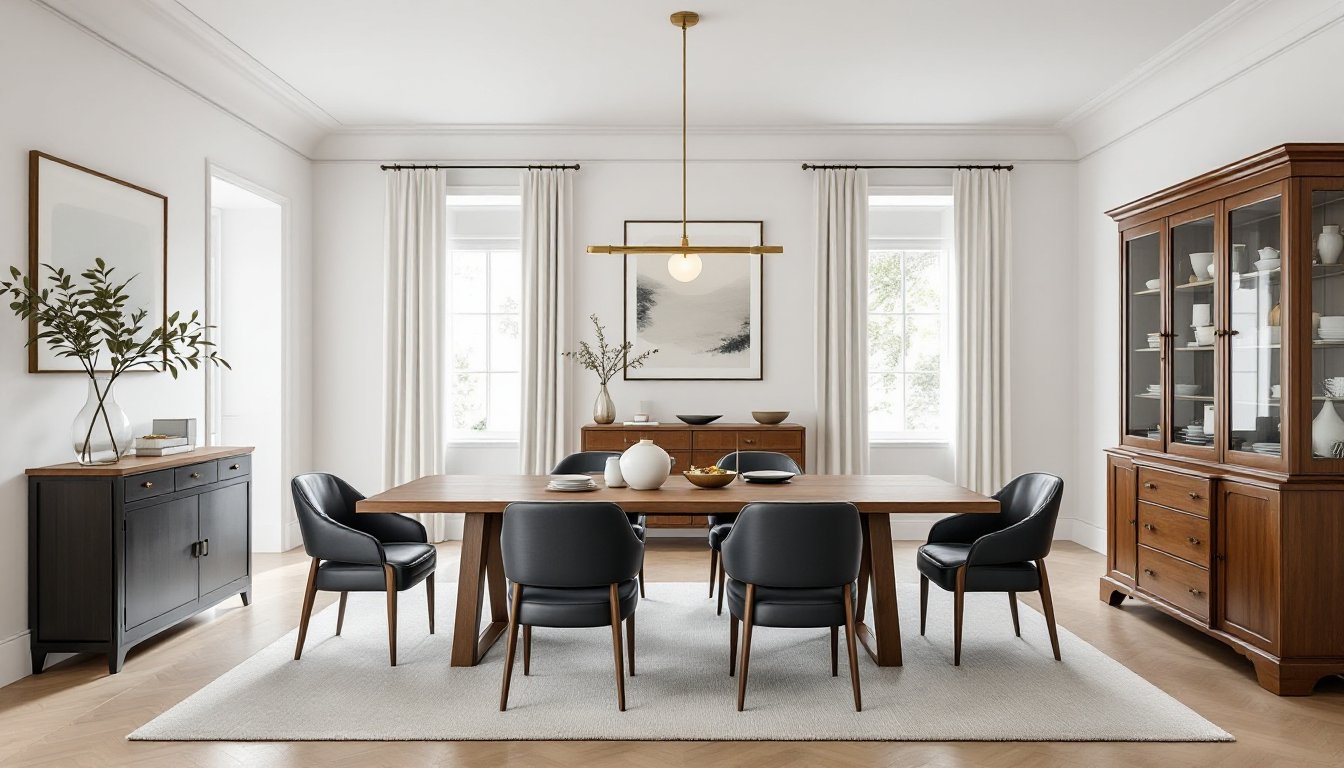
A well-designed dining room goes beyond serving meals, it’s a gathering place where memorable moments unfold. High-end dining room furniture elevates that experience by combining superior craftsmanship, premium materials, and thoughtful design. Whether you’re refreshing an outdated space or investing in pieces that’ll last decades, understanding what separates quality furniture from mass-produced options helps you make smart choices. This guide walks you through selecting, positioning, and maintaining high-end dining furniture that transforms your space into a room you’ll love for years to come.
Table of Contents
ToggleKey Takeaways
- High-end dining room furniture combines superior craftsmanship, solid hardwoods, and quality joinery that last decades longer than mass-produced alternatives, making it a worthwhile investment for your home.
- Select your dining table based on room dimensions and lifestyle—standard sizes range from 48 to 72 inches in length—then build complementary chairs, lighting, and storage pieces around this anchor.
- Quality dining tables range from $1,500 to $10,000+ depending on wood type and maker; prioritize investing in the table and chairs first, then add accessories like buffets and lighting over time.
- Protect your high-end dining furniture investment by maintaining stable humidity levels (35–55%), using coasters and placemats, and scheduling annual professional cleaning for upholstered pieces.
- Modern high-end dining styles favor contemporary, mid-century modern, and transitional aesthetics with clean lines and natural finishes, though traditional rustic styles remain popular for their timeless appeal.
What Defines High-End Dining Room Furniture
High-end dining furniture isn’t just expensive, it’s built differently. The difference lies in material quality, joinery, finish durability, and attention to detail. A solid hardwood table costs more than particle board, but it also survives decades of dinner parties without warping, wobbling, or chipping. Real wood develops character: veneers and engineered composites flatten over time.
Materials and Craftsmanship Standards
Look for solid hardwoods like walnut, oak, cherry, or maple, each has distinct grain patterns and durability ratings. Walnut offers rich chocolate tones: oak brings texture: cherry adds warmth: maple provides subtle elegance. Upscale makers source lumber carefully, acclimate it to prevent splitting, and use mortise-and-tenon joinery or dovetail joints instead of screws or dowels.
Legs and supports matter too. Quality chairs and tables use solid wood construction throughout, not just on visible surfaces. The undercarriage is where shortcuts happen in mass-produced pieces. High-end manufacturers reinforce joints with corner blocks, use kiln-dried lumber to minimize movement, and finish with catalyzed lacquer or conversion varnish for scratch resistance.
Upholstered chairs demand attention: eight-way hand-tied springs, high-density foam, and genuine leather or premium fabric distinguish luxury seating. Budget pieces skimp here, using sinuous springs and low-density foam that sag within two years. Stitching patterns, nailhead trim, and fabric grain alignment reveal whether craftsmanship is intentional.
Popular High-End Dining Furniture Styles
Contemporary and mid-century modern dominate current high-end markets. Clean lines, minimalist silhouettes, and natural wood finishes appeal to homeowners seeking timeless appeal. Walnut tables with sleek pedestal bases or tapered legs paired with molded plastic or upholstered chairs define this aesthetic. Finish options range from matte natural oil to glossy lacquer, each suiting different lighting and décor.
Traditional and transitional styles remain strong too. These embrace classic proportions, turned legs, carved details, and darker finishes, while staying accessible to modern living. A mahogany table with Queen Anne legs reads formal yet pairs easily with contemporary art or lighting.
Rustic and industrial aesthetics combine raw materials like reclaimed wood and metal. A hand-hewn table with exposed grain and iron hardware creates character, though these pieces demand consistent care to prevent drying or rust.
Designers at institutions like Architectural Digest frequently showcase how high-end dining furniture anchors entire room concepts. The table becomes the design foundation: chairs, lighting, and accessories build around it. Consistency in wood tone, leg style, and finish creates cohesion that elevates even modest-sized spaces.
How to Select the Right Pieces for Your Home
Start by measuring your dining space, table size matters more than people expect. A 36-inch-wide table is standard: depths range from 36 to 48 inches. Length varies: 48 inches seats four to six, 60 inches seats six to eight, 72 inches seats eight to ten. Allow 36 to 48 inches of clearance around all sides for comfortable movement and chair pull-out.
Consider your lifestyle. Do you host formal dinners weekly or eat quietly with family? Formal tables favor rich finishes and traditional silhouettes: casual homes suit durable, wipeable surfaces. Kitchen-adjacent dining benefits from lower-maintenance materials: tucked-away formal rooms can embrace delicate finishes.
Chairs come in fixed or swivel bases, upholstered or solid wood, with or without arms. Upholstered seats add comfort and softness: solid wood offers easy cleaning and flexibility. Mix matching chairs with complementary accent chairs for visual interest without chaos. Arm height should sit 8 to 10 inches below table surface for comfort.
Buffets, credenzas, and china cabinets provide storage while displaying serveware. These high-end furniture pieces anchor sidebars and create visual rhythm. Lighting, a statement chandelier or modern pendant, completes the room. Pay attention to scale: an oversized fixture in a small room overwhelms, while undersized lighting feels cheap.
Test pieces in your space before committing. Digital visualization tools help, but seeing actual finishes under your lighting reveals true color. Request fabric swatches: light changes perception dramatically.
Budget Planning and Investment Considerations
Quality dining tables range from $1,500 to $10,000+ depending on wood, size, and maker. A solid walnut table from an established maker costs more upfront but holds value. Chairs run $300 to $1,000 each: a six-piece set (table plus six chairs) easily surpasses $5,000. Accessories like sideboards and lighting add thousands more.
Prioritize wisely. The table is your anchor, invest here. Chairs matter next because you interact with them directly. These two pieces define the room: accessories can evolve. Many homeowners start with core pieces and add buffets or additional seating over time.
Buy from established makers with solid reputations. Independent craftspeople, regional manufacturers, and heritage brands often deliver superior quality compared to mass-market showrooms. Check return policies, delivery timelines, and warranty coverage. High-end furniture typically includes a one- to three-year warranty on structure and finish.
Consider financing. Zero-interest plans from furniture retailers make large purchases manageable. Just confirm terms and avoid overlapping payments. Some dining room aesthetics emerge from thoughtful mixing of investment pieces with affordable accessories, you don’t need a $15,000 setup to look expensive.
Budget 10 to 15% extra for delivery, assembly, and potential adjustments. High-end pieces sometimes arrive unfinished and require on-site staining or touch-ups. Factor in setup time.
Maintaining and Protecting Your Investment
Solid wood requires respect. Avoid extreme humidity swings, they cause cupping, warping, and joint separation. Keep dining rooms between 35 and 55% relative humidity. A humidifier in winter and dehumidifier in summer prevents damage. Place the table away from direct sunlight and heat sources: UV rays fade finishes, and heat from radiators or vents accelerates wood movement.
Use coasters and trivets religiously. Water rings from glasses penetrate most finishes. Placemats protect against spills and heat. Dust with a soft, lint-free cloth: avoid silicone sprays that build up over time. For deeper cleaning, use furniture polish appropriate to your finish type, oil finishes need linseed-based products: lacquered surfaces prefer wax or specialized polishes.
Upholstered chairs benefit from annual professional cleaning. Vacuum regularly and treat spills immediately with appropriate fabric cleaner. Real leather demands conditioning every six months to prevent cracking. Rotate cushions quarterly to even wear.
With bedroom furniture: transform your approach to maintenance applies similarly, prevention beats restoration. Protect tables with clear polyurethane or glass tops for active households. Felt pads under chair legs prevent scratching: rugs beneath the dining area absorb spills and dampen noise.
Invest in quality care products. Cheap furniture polish leaves residue: premium products nourish wood and enhance color. Budget $50 to $150 annually for maintenance supplies and occasional professional care. This small investment preserves thousands in furniture value.
Conclusion
High-end dining room furniture represents an investment in both aesthetics and durability. By understanding construction standards, selecting pieces that match your lifestyle, and committing to consistent maintenance, you create a dining space that remains beautiful for decades. Start with a quality table and chairs, build around them thoughtfully, and enjoy gatherings in a room designed to impress.