Hampton Bay wicker patio furniture strikes a balance that most homeowners chase: looks sharp without requiring a trust fund. Whether you’re eyeing a conversation set for weekend gatherings or dining pieces that don’t scream “plastic garden store,” this line hits a practical sweet spot. The wicker isn’t genuine rattan, it’s resin-based, which matters for longevity in unpredictable weather. If you’re curious whether Hampton Bay pieces hold up to actual use, feel damp climates, and still look presentable after a season or two outdoors, you’re in the right place. Let’s walk through what these pieces offer and how to keep them looking good.
Table of Contents
ToggleKey Takeaways
- Hampton Bay wicker patio furniture combines affordable pricing ($300–$800 per seat) with durable resin wicker construction that resists fading, rot, and splinter better than natural rattan.
- Resin wicker is woven around aluminum frames that won’t rust, keeping furniture light and sturdy for conversation sets, sectionals, and dining configurations that suit most home styles.
- Cushions are the first components to fail in humid climates; removing them during winter storage and heavy rain seasons doubles their lifespan and prevents mold damage.
- Seasonal maintenance is simple—rinse with a garden hose 2–3 times per year, check bolts annually, and avoid pressure washers that can damage joints and weaving.
- Hampton Bay wicker pieces last 5–8 years with proper care and integrate seamlessly with contemporary or cottage design schemes when paired with neutral cushions and complementary lighting.
- Freeze-thaw cycles pose the main durability risk, so store furniture indoors during sustained winter freezes to prevent water expansion damage in weave patterns.
What Makes Hampton Bay Wicker Patio Furniture Stand Out
Hampton Bay’s wicker patio furniture works because it copies the look of natural wicker without the constant maintenance headaches. The resin wicker is woven around aluminum frames, giving you a product that’s light enough to move around but sturdy enough to not feel flimsy when someone actually sits on it. The frames don’t rust like steel would, and the wicker doesn’t splinter or fade at the rate natural rattan does.
One honest thing: this isn’t museum-quality heirloom stuff. But for a mid-range option that lands in the $300–$800 range per seat depending on the piece, it delivers. The upholstery cushions come in various fabrics, many with Sunbrella covers, which deserve the hype, they’re fade-resistant and shed water instead of absorbing it. You’ll find Hampton Bay pieces at home centers (The Home Depot carries a good selection), which means easier returns and local pickup if you don’t want shipping hassles.
The aesthetic leans casual but approachable. You’re not getting ultramodern minimalism or overwrought Victorian curves, think comfortable, readable patio looks that work with ranch, contemporary, or cottage setups.
Popular Hampton Bay Wicker Collections and Styles
Conversation Sets and Sectionals
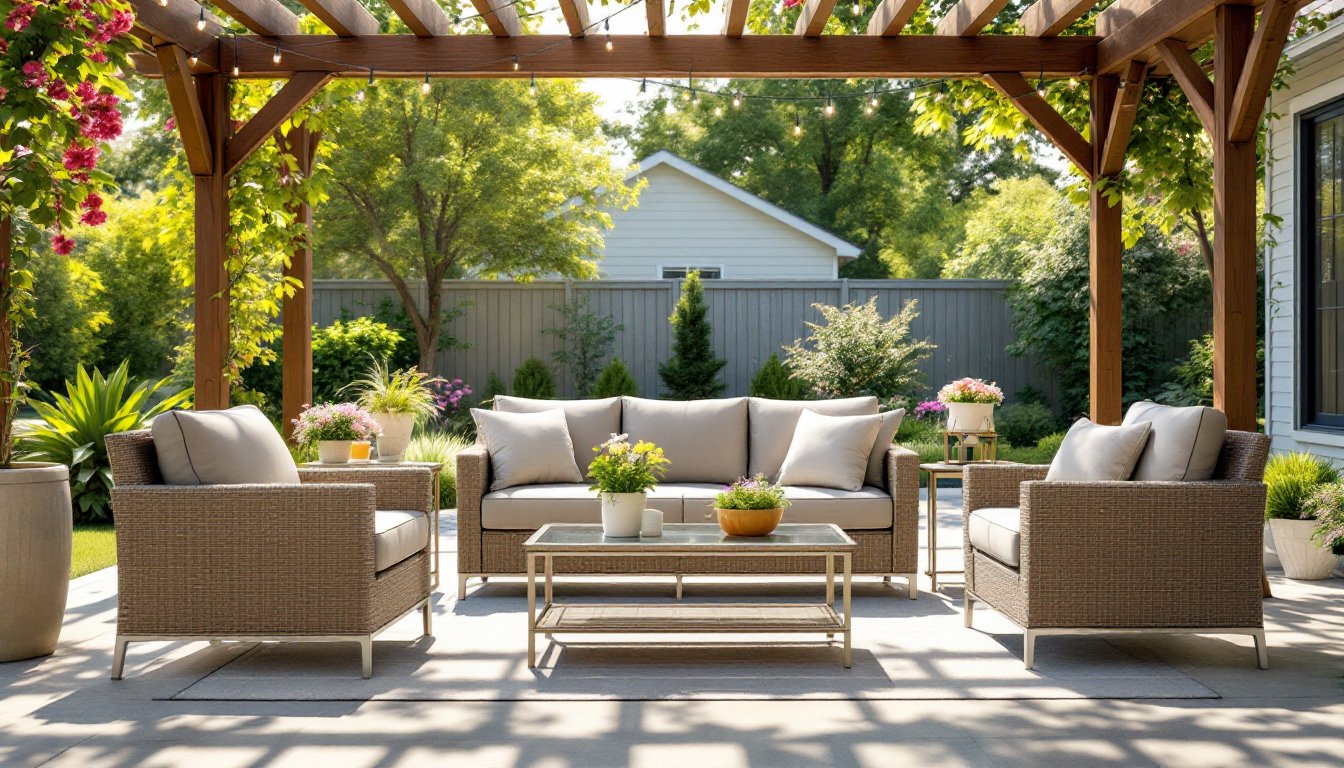
Conversation sets, typically two chairs, a loveseat, and a coffee table, are the workhorse. Hampton Bay’s collections in this category often feature deep seating, meaning the seat depth is generous so you’re actually comfortable leaning back. The frames are usually constructed with aluminum tube frames (typically 1-inch or 1.5-inch diameter, depending on the model), which provide stability without excessive weight.
Sectionals take up real estate but let you configure your layout flexibly. A left-facing chaise with a middle armless section and a right-facing chair means everyone can sprawl without fighting over the best spot. Most sectionals come with a coffee table or ottoman, and if you’re buying them piece by piece, check that the frames match, different batches can have slight color variations in the aluminum.
Cushion thickness matters here. Thicker cushions (4–5 inches) feel nicer but sag faster over time. Plan to rotate and flip cushions seasonally to even out wear. Most come with outdoor performance fabric or acrylic blends that resist mildew better than cotton.
Dining and Bistro Sets
If your patio is smaller or you want a dedicated eating zone, Hampton Bay’s dining sets pair wicker chairs with a tempered glass or composite tabletop. The glass-top tables are easier to clean, spill happens, you wipe it, but they can feel cold to the touch and don’t hide fingerprints. Composite tops (usually resin or concrete-look finishes) are warmer underhand and more forgiving, though they scratch if you’re careless with silverware.
Bistro sets (usually two chairs and a small round table) fit tighter spaces and work well on smaller decks or apartment patios. The proportions feel less cramped than traditional metal bistro furniture. Seat heights on these tend to sit around 17–18 inches, which is standard. Measure your space first, a bistro set needs clearance around it so chairs don’t jam into walls or railings.
Durability and Weather Resistance: What to Expect
Resin wicker is engineered to shrug off moisture better than genuine rattan. It won’t rot, splinter, or become a home for mildew (though mildew can grow on cushions). Hampton Bay pieces are generally rated for outdoor use in USDA zones 5–10, which covers most of the continental U.S., but always check the spec sheet for your climate.
The weak points aren’t the wicker or frame, they’re the fasteners and cushion material. Stainless steel bolts and rivets last longer than galvanized hardware, which can eventually corrode. Cushions are the first thing to fail, especially in humid regions or if they’re left outside year-round. Water-resistant fabric extends their life, but even Sunbrella cushions benefit from storage during winter or heavy rain seasons.
Ultraviolet (UV) exposure fades the wicker over time, though resin wicker fades much slower than natural materials. After 3–5 years in a sunny spot without protective covers, you might notice the tan losing brightness. This is cosmetic, not structural. The resin doesn’t become brittle or lose strength from UV the way some plastics do.
Freeze-thaw cycles are tougher on this furniture than simple cold. If you live somewhere winter means wet snow followed by freezing, bring pieces into a garage or shed. Water trapped in weave patterns can expand during a hard freeze and damage the integrity. Most manufacturers recommend this for areas with sustained freezes. No babying needed in dry climates, just wipe down and go.
Maintenance Tips for Long-Lasting Beauty
Keep Hampton Bay wicker clean by rinsing with a garden hose 2–3 times per season, more often if you live near salt water or heavy dust sources. Use a soft brush to gently scrub stubborn dirt from the weave pattern. For mildew spots (common in humid climates), mix a mild detergent with water and scrub: hydrogen peroxide also works. Rinse thoroughly and let air-dry.
Remove cushions during winter storage or extended rain. Store them in a dry place, a garage, basement, or covered deck works fine. This single step doubles their lifespan. If cushions do get soaked, wring them gently, stand them upright, and let them air-dry completely. Soggy cushions left in storage breed mold and mildew that no amount of cleaning reverses.
Check bolts and fasteners annually. Tighten any loose connections with an adjustable wrench or appropriate-sized socket. Wiggle joints at the connection points, if there’s play, a loose bolt is usually the culprit. This maintenance takes 20 minutes and prevents collapse-level failures.
Use protective covers during off-season or harsh weather. A fitted cover costs $40–$80 and saves your furniture from unnecessary UV, moisture, and debris accumulation. If covers don’t fit your budget, at least lean pieces against a wall or store them under an eave.
Don’t use pressure washers on the wicker. The force can separate the resin from the underlying structure or push water deep into joints where it sits and causes trouble. A hose and brush is gentler and effective.
Design Integration: Styling Your Patio Space
Hampton Bay wicker plays well with natural wood, stone, and concrete, basically anything rustic or contemporary. A wood pergola or arbor overhead complements the informal texture of wicker. Pair wicker with neutral cushions (grays, taupes, whites) for a cohesive look, or add one accent color through throw pillows. Patterns read better at a distance, so a small geometric print is more legible from across the yard than fine checks.
For inspiration on spatial arrangement, resources like Southern Living offer excellent ideas on porch and patio layouts that showcase how wicker fits into regional home styles. Consider the flow of foot traffic, don’t block pathways to doors or gates. A conversation set works best with 3–4 feet of walking space on all sides.
Lighting matters. String lights or solar path lights dramatically change how a patio feels at dusk and make wicker texture more visible. Overhead lighting (a ceiling fan with a light fixture, if your roof allows) transforms a dark corner into an evening hangout spot.
Plant containers with seasonal annuals or ornamental grasses soften the hardscape around your furniture. A garden design inspiration resource can help you pick complementary plantings. The wicker’s natural brown tones work with almost any foliage color.
Make sure your furniture scale matches your space. A full sectional oversizes a tiny balcony, while a single bistro set feels lonely on a large patio. If you’re unsure, measure your patio dimensions and sketch the layout before purchasing. Most home centers will let you return pieces within 30 days if the proportions don’t work in practice.
Think about how you’ll actually use the space. If you entertain frequently, prioritize seating count and a sturdy table for drinks and snacks. If it’s a personal retreat spot, comfort matters more than capacity. Better Homes & Gardens covers seasonal home projects and patio refresh ideas year-round, including how to refresh outdoor spaces affordably.
Conclusion
Hampton Bay wicker patio furniture delivers practical outdoor seating without pretension or wallet shock. The resin wicker withstands weather better than genuine rattan, and the range of styles means you’ll find something that fits your space and budget. Maintenance is straightforward: rinse seasonally, store cushions indoors, and tighten bolts. With decent care, these pieces stick around for 5–8 years, maybe longer if your climate is mild. That’s a solid return on investment for furniture that actually invites people to sit and stay awhile.