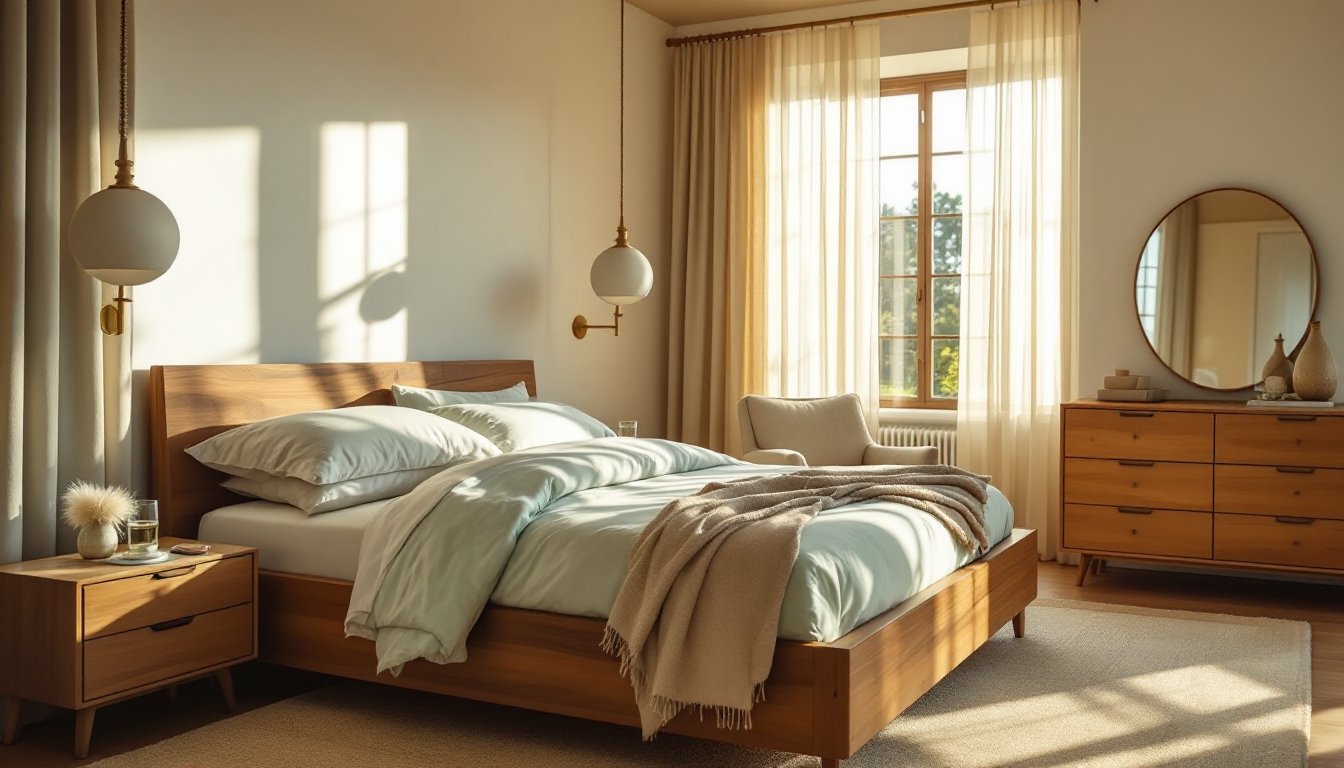
Natural wood bedroom furniture brings warmth, durability, and authentic character to any sleeping space. Unlike veneered or particleboard alternatives, solid wood pieces develop a richer patina over time, become family heirlooms, and don’t require replacement every few years. Homeowners and DIY enthusiasts increasingly recognize that investing in quality natural wood furniture pays dividends in comfort, longevity, and aesthetic appeal. Whether you’re furnishing a master bedroom, a guest room, or a child’s space, understanding wood types, essential pieces, and proper maintenance ensures you build a retreat that’s both beautiful and built to last.
Table of Contents
ToggleKey Takeaways
- Natural wood bedroom furniture develops richer patina and character over time, unlike veneered or particleboard alternatives, making it a lasting investment that becomes more beautiful with age.
- Hardwoods like oak, walnut, and cherry offer superior durability for bedroom pieces, while softwoods like pine provide budget-friendly, rustic charm with straightforward repairs.
- Essential natural wood bedroom furniture starts with a quality bed frame featuring mortise-and-tenon joinery, complemented by nightstands and a dresser, with optional pieces added only when layout justifies them.
- Light woods suit Scandinavian and contemporary styles, medium woods work in transitional spaces, and dark woods anchor sophisticated rooms—all pair beautifully when styling remains restrained and lets the natural wood shine.
- Protecting natural wood from moisture, heat, and direct sunlight, dusting gently, using coasters, and addressing spills immediately ensures bedroom furniture lasts 20, 30, or even 50 years.
Why Natural Wood Furniture Transforms Your Bedroom
Natural wood furniture does more than fill a room, it establishes a foundation for comfort and longevity that synthetic materials struggle to match. Solid wood absorbs and releases moisture naturally, which means it moves slightly with humidity changes but remains structurally sound when built correctly. This movement is normal and doesn’t indicate a defect: it’s a sign the wood is alive and adapting to its environment.
The aesthetic advantage is equally compelling. Wood grain patterns are unique to each piece: no two boards are identical. This natural variation creates visual interest that mass-produced furniture can’t replicate. Over decades, natural wood develops a richer color and patina, a subtle aging that enhances rather than diminishes its appeal.
From a practical standpoint, natural wood repairs are straightforward. A scratched tabletop can be sanded and refinished. A loose joint can be glued and clamped. A ding in the surface can be filled and stained. Compare that to a chipboard nightstand with a peeling veneer, and the value proposition becomes clear. Quality natural wood furniture becomes more beautiful with age: cheaper alternatives just become shabby.
Popular Wood Types for Bedroom Furniture
Hardwoods vs. Softwoods: What Works Best
When shopping for or building natural wood bedroom furniture, understanding the difference between hardwoods and softwoods is essential, the names don’t refer to actual hardness but to botanical origin.
Hardwoods come from deciduous trees like oak, maple, walnut, cherry, and ash. They’re typically denser, more durable, and more expensive. Oak is extremely popular for bedroom furniture: it’s abundant, affordable for a hardwood, and has a pronounced grain that works in many design styles. Walnut offers rich, dark tones and is prized for contemporary and mid-century looks. Maple is fine-grained, light-colored, and works well in transitional or modern spaces. Cherry ages beautifully, deepening from reddish-brown to a warm mahogany tone over time.
Softwoods come from coniferous trees like pine, fir, and spruce. They’re less dense, more affordable, and easier to work with for DIY builders. Pine furniture is charming and rustic: it dents and scratches more easily than hardwoods, but this adds character over time and repairs are simple. Softwoods are ideal if you’re building custom pieces yourself or want a budget-friendly option that still delivers solid construction and authentic wood warmth.
For bedroom furniture that will endure years of daily use, hardwoods are the investment choice. If budget is tight or you’re drawn to a cottage-style aesthetic, softwood offers excellent value and durability for bedroom pieces like bed frames, dressers, and nightstands.
Essential Natural Wood Pieces for Every Bedroom
A well-furnished bedroom doesn’t require every possible piece. Start with the essentials and add thoughtfully.
The bed frame is the anchor. A solid wood frame, whether constructed from a hardwood like oak or a softwood like pine, sets the tone for the entire room. Look for mortise-and-tenon joinery (where one piece slots into another) or solid dowel connections rather than cheap cam-lock fasteners. Standard bed dimensions are consistent: a queen frame is nominally 60 inches wide by 80 inches long, though actual finished dimensions run about 1/2 inch smaller. Make sure your mattress matches the frame size: a gap or overhang disrupts the look and can be unsafe.
Nightstands flank the bed and provide practical surface space. One per side is standard: a single nightstand works for smaller rooms or twin beds. A drawer is useful for storing reading glasses, sleep aids, or a phone charger. Solid wood nightstands in matching wood to your frame create visual cohesion, though mixing wood tones is increasingly popular and adds layered interest.
A dresser is typically the largest piece after the bed. It stores everyday clothing and anchors a wall visually. A dresser with a mirror above it creates a grooming station. Solid wood dressers with dovetail drawers, joints that look like interlocking teeth, indicate quality construction and will outlast budget alternatives by decades.
Additional pieces like an armchair, bench at the foot of the bed, bookshelf, or wardrobe are nice additions but not essential. Add these only if your room’s layout and your lifestyle justify the space they occupy. Many of these optional pieces work beautifully when sourced from local builders or woodworking project tutorials online.
Styling and Decorating With Natural Wood Furniture
Natural wood is a neutral backdrop that works with almost any decorating style, though certain wood tones pair better with specific aesthetics.
Light woods (ash, maple, birch) suit Scandinavian, farmhouse, and bright contemporary spaces. Pair them with soft linens, whites, and muted accent colors. These woods feel fresh and airy.
Medium woods (oak, hickory) work beautifully in transitional, rustic, and eclectic rooms. Layer them with warm textiles, earth tones, and mixed metals. This range is the most versatile and forgiving.
Dark woods (walnut, cherry) anchor moody, sophisticated, or traditional spaces. Rich jewel-tone bedding, vintage brass fixtures, and darker wall colors complement these rich tones beautifully.
Regardless of wood tone, the key to a cohesive bedroom is restraint. If your furniture is the statement, let it be. Avoid competing patterns or too many accent pieces. Solid-color bedding, simple window treatments, and a few carefully chosen accessories allow the natural beauty of the wood to shine.
When you’re ready to source pieces, bedroom furniture stores offer curated collections, and shopping locally supports regional craftspeople while letting you inspect wood quality and joinery in person.
Care and Maintenance Tips for Long-Lasting Beauty
Proper care is the difference between furniture that looks tired after five years and pieces that improve with age.
Dust regularly with a soft, dry cloth or microfiber duster. Dust particles can scratch wood surfaces if dragged around, so use gentle, circular motions. Avoid feather dusters: the feathers can catch on joinery and cause damage.
Protect from moisture and heat. Wood naturally expands and contracts with humidity and temperature fluctuations. Keep bedroom humidity between 35–50% (a humidifier or dehumidifier helps in extreme climates). Position furniture away from heating vents, radiators, and direct sunlight. Sunlight fades wood grain and can bleach certain species unevenly.
Clean spills immediately. Water rings are the nemesis of wood furniture. If you spill a drink, wipe it up right away with a dry cloth. If a water ring forms, a light sanding with 0000 steel wool followed by furniture oil can often restore the finish. Avoid harsh cleaners: plain water and a soft cloth work for routine cleaning.
Use coasters and trivets. Hot mugs and wet glasses leave marks. Train household members to use these protective layers, it’s far easier than refinishing a tabletop later.
Polish strategically. Some people swear by furniture polish: others avoid it entirely, preferring simple dust-and-wipe maintenance. If you do polish, use a quality wood polish designed for your finish type (lacquer, varnish, or oil) and follow the label directions. Over-polishing builds waxy residue.
Refinish when needed. Eventually, a beloved dresser or bed frame may show wear, scratches, dull finish, or faded color. Sanding and refinishing is a manageable DIY project for handy homeowners. Resources like Ana White’s free plans and refinishing tutorials offer guidance. For valuable or antique pieces, hire a professional refinisher.
With basic care, natural wood bedroom furniture can easily last 20, 30, or 50 years, long enough to become a treasured family possession.
Conclusion
Natural wood bedroom furniture is an investment in comfort, beauty, and longevity. Whether you choose solid hardwoods like walnut and cherry or softer, more affordable options like pine, authentic wood creates a warm, enduring sanctuary. Start with essential pieces, a quality bed frame, nightstands, and a dresser, then layer in additional elements thoughtfully. With consistent, gentle care, these pieces become richer and more beautiful over time, transforming your bedroom into a true retreat.