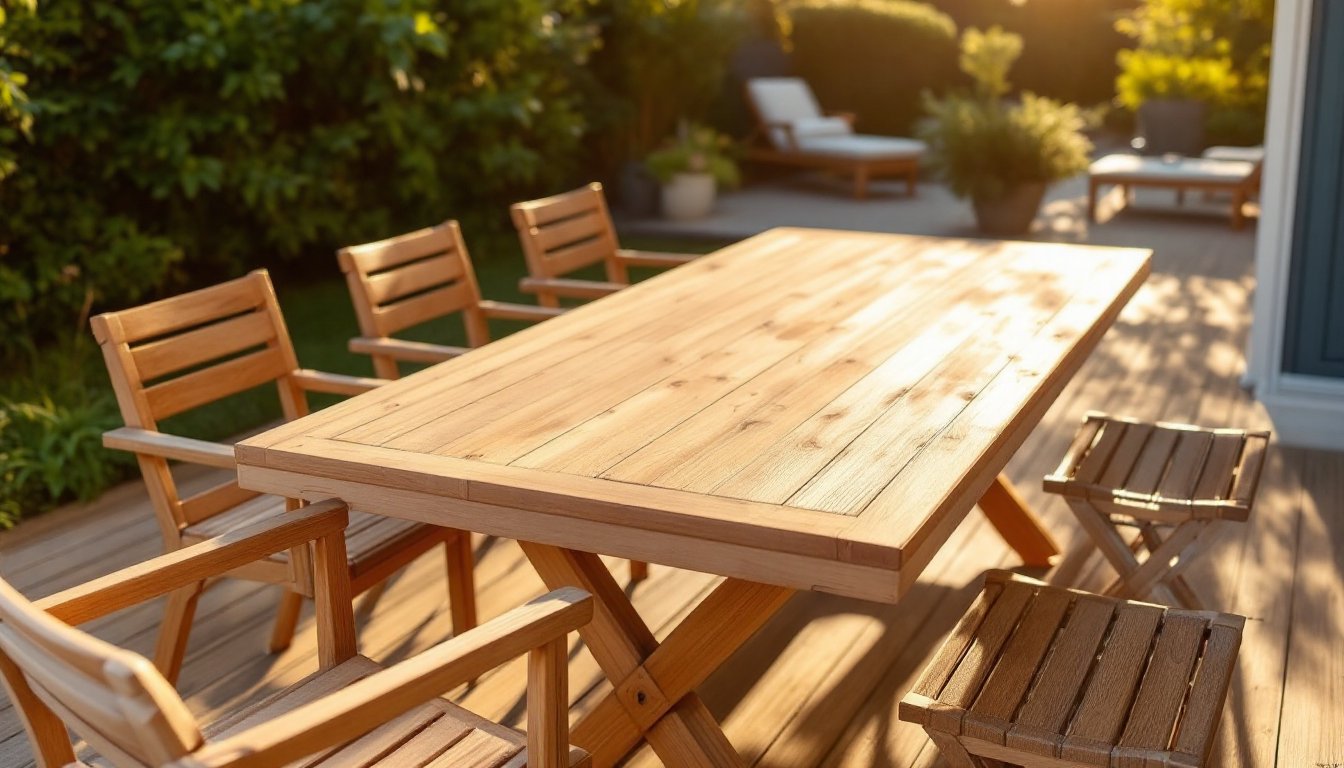
Wood patio furniture brings warmth, character, and natural beauty to any outdoor living space. Unlike metal or plastic alternatives, wood offers durability when properly selected and maintained, plus an aesthetic that actually improves with age. Whether you’re outfitting a small apartment balcony or a sprawling deck, understanding wood types, maintenance demands, and design options will help you make smart choices that balance your budget, climate, and lifestyle. This guide walks you through the essentials so your outdoor furniture investment lasts for years rather than seasons.
Table of Contents
ToggleKey Takeaways
- Hardwood patio furniture like teak and ipe costs more upfront but resists rot and weathering for decades, while softwoods like cedar need regular sealing every 12–18 months to stay protected.
- Strong joinery using mortise-and-tenon joints and dowels predicts furniture longevity better than wood species alone, so examine construction methods when shopping.
- Seasonal maintenance—spring cleaning, summer wiping, fall re-sealing, and winter storage or covers—extends the life of your wood patio furniture investment significantly.
- Pigmented exterior stains and marine spar varnish with UV blockers preserve wood color far better than clear finishes, which cannot protect against weathering.
- Your choice of wood patio furniture should balance three factors: wood species durability, your local climate’s moisture and salt exposure, and how much regular maintenance you’re willing to commit to.
Types of Wood Patio Furniture and Their Best Uses
Wood patio furniture breaks down into two main categories: hardwoods and softwoods. Each has distinct advantages and suits different applications, climates, and budgets. Understanding the difference helps you avoid buying the wrong material for your situation.
Hardwoods vs. Softwoods for Outdoor Settings
Hardwoods like teak, ipe, and cumaru come from deciduous trees and naturally contain higher oil content and density. This makes them inherently resistant to rot, insects, and weathering, a huge advantage outdoors. They’re also less prone to warping and splintering, which means longer-lasting furniture with fewer repairs. The trade-off? Hardwoods cost significantly more and require more elbow grease to work with if you’re building your own pieces.
Softwoods like pine, cedar, and spruce are lighter, easier to mill, and budget-friendly. Cedar, in particular, has natural decay resistance due to its aromatic oils, making it a decent choice for outdoor use at a mid-range price point. But, softwoods demand more frequent maintenance, staining, sealing, or painting every one to two years to prevent graying, rot, and splitting. They also dent and scratch more easily under regular use.
For most homeowners, the choice comes down to maintenance tolerance and climate. In wet, humid regions or near saltwater, a hardwood like ipe or cumaru is worth the investment because it’ll outlast multiple softwood replacements. In drier climates or if you enjoy regular maintenance tasks, cedar or pine can work fine with proper care.
Popular Wood Species for Patio Furniture
Teak is the gold standard for outdoor wood furniture. Native to Southeast Asia, teak contains natural silica and oils that shed water and resist decay for decades with minimal intervention. It weathers to a silvery-gray patina over time, but that’s purely aesthetic, the wood underneath stays sound. If you want “set it and forget it” furniture, teak is it. The downside is price: quality teak furniture costs two to three times more than cedar alternatives.
Ipe (also called Brazilian walnut) is a South American hardwood that’s extraordinarily dense and hard, it’s actually difficult to hand-drive nails into ipe because it’s so tough. This density translates to exceptional durability and pest resistance. Ipe is slightly less expensive than teak but still a significant investment. It doesn’t weather to gray as quickly: it maintains color longer but eventually darkens.
Ceddar is the softwood sweet spot for budget-conscious homeowners. It’s naturally aromatic and contains oils that deter insects and decay better than pine or spruce. Cedar furniture costs a fraction of teak but demands regular sealing (every 12–18 months) to stay looking fresh. Many people embrace the weathered gray look, which is maintenance-free after the first few years.
Cumaru (also called tonka bean wood) is a lesser-known hardwood from South America that’s gaining popularity. It’s nearly as durable as ipe, more affordable than teak, and rich chocolate-brown in color. Cumaru is a solid middle-ground choice if you want hardwood durability without teak-level pricing. You can find detailed build plans and design inspiration for wood furniture projects at Ana White, which offers free DIY furniture tutorials for both beginners and experienced builders.
Durability, Weather Resistance, and Maintenance Considerations
Weather resistance depends partly on wood species but heavily on how you treat and protect the furniture. Even rot-resistant hardwoods benefit from regular cleaning and occasional sealing, especially in coastal or humid climates where salt spray and moisture accelerate deterioration.
Durability also hinges on joinery and construction. Mortise-and-tenon joints and dowels hold better than nails or screws alone, and furniture made by reputable manufacturers typically uses these stronger methods. If you’re shopping, examine how pieces are joined, that’s often a better predictor of longevity than the wood species alone.
Ultraviolet (UV) rays fade wood color over time, but a quality exterior stain or sealant with UV blockers slows this significantly. Clear finishes alone won’t protect wood from weathering: you need pigmented stains or paints if long-term appearance matters to you.
Seasonal Care and Protection Strategies
Spring prep sets the tone for the season. Start by cleaning furniture with mild soap and water, then inspect for loose fasteners, cracks, or splintering. Tighten bolts and screws, and sand down rough spots with 100–120 grit sandpaper before re-sealing or staining.
Summer demands regular maintenance. Wipe down furniture monthly to prevent dirt and mold buildup. In humid climates, mold can grow even on rot-resistant woods if moisture sits. A damp cloth and mild vinegar solution handles most surface mold without damaging the finish.
Fall is sealing season. Before winter arrives, inspect your furniture’s finish. If the stain is fading or water no longer beads on the surface, it’s time to re-seal. This typically means a light sanding (150 grit), followed by one or two coats of exterior-grade polyurethane or marine spar varnish. Hardwoods like teak need sealing less often (every 2–3 years), while cedar benefits from annual or biennial treatment.
Winter protection matters even in mild climates. Consider storing cushions indoors and using weatherproof covers over furniture during extended wet spells. In snow-heavy regions, moving wood furniture under a covered porch or patio roof prevents excessive moisture absorption. If you’re building custom furniture, Instructables offers detailed step-by-step tutorials and project plans for creating and finishing outdoor pieces.
Design Styles and Aesthetic Appeal
Wood patio furniture adapts to nearly any outdoor design vision. Mid-century modern pieces feature clean lines, tapered legs, and minimal ornamentation, teak works beautifully here because its natural color and grain become the focal point. Paired with metal accents (aluminum or stainless steel frames), modern designs feel current and low-maintenance in appearance.
Rustic and farmhouse styles lean into visible wood grain and slightly heavier proportions. Cedar or pine pieces with a natural or whitewashed finish suit this aesthetic. Chunky wooden benches, farmhouse tables, and Adirondack-style chairs all fit comfortably into this category. Rustic pieces often look better with some weathering, so they’re forgiving if maintenance lapses.
Contemporary minimalist designs favor unfinished or lightly stained hardwoods with geometric shapes. Benches and chairs with angular cuts and slatted backs keep the focus on form rather than ornament. This style pairs well with ipe or cumaru, where the wood’s natural color variation adds interest without busy patterns.
Traditional and cottage styles often embrace painted or stained wood in soft colors, pale blues, creams, and muted greens work well with softwoods like pine or cedar. These pieces typically have more detailed joinery and curved elements, and paint hides minor dings while adding character.
The key to successful design is choosing a wood type and finish that align with both your aesthetic and your maintenance commitment. High-gloss finishes show every water spot and require frequent touch-ups: matte or natural finishes are more forgiving. If you’re designing custom pieces, Fix This Build That provides comprehensive woodworking project plans and tool reviews to help you execute your vision with the right materials and techniques.
Conclusion
Choosing wood patio furniture comes down to balancing three factors: wood species, climate, and your maintenance tolerance. Hardwoods like teak and ipe demand higher upfront investment but reward you with decades of reliable service and minimal fussing. Softwoods like cedar cost less but require regular sealing and care. Once you’ve selected your material, commit to basic seasonal maintenance, cleaning in spring, checking fasteners, and re-sealing in fall, and your furniture will look good and last for years.