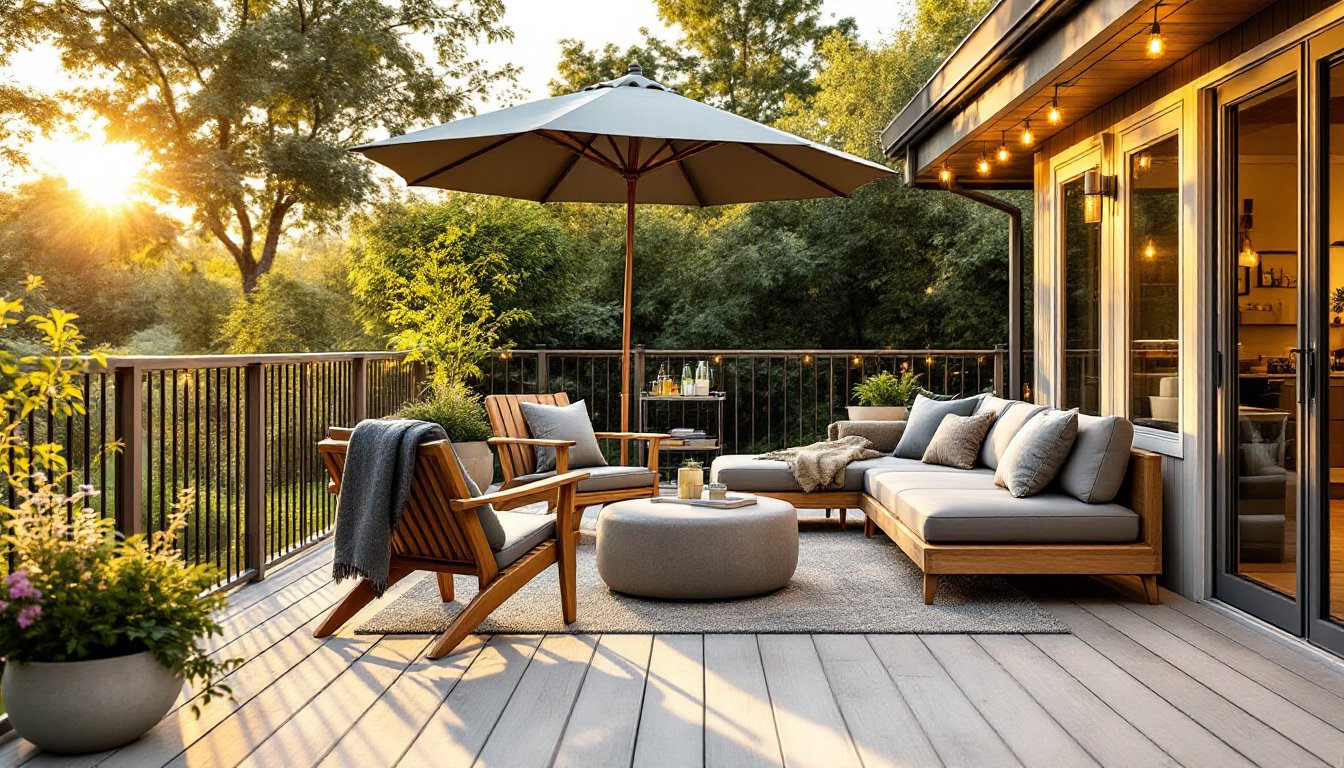
Your deck isn’t just an afterthought tacked onto the back of your house, it’s an extension of your living space and arguably the best investment in year-round enjoyment. The right deck furniture design transforms a bare platform into a functional, inviting retreat where family and friends actually want to spend time. Whether you’re drawn to sleek minimalism, cozy lounging, or smart multi-functional pieces, 2026 brings fresh approaches to outdoor seating and style. This guide walks you through eight proven furniture design concepts, from layout to materials, so you can build a deck space that works as hard as you do, without very costly or ending up with pieces that rot in two seasons.
Table of Contents
ToggleKey Takeaways
- Minimalist deck furniture design emphasizes clean lines, negative space, and quality pieces that prevent visual clutter, particularly on smaller decks.
- Comfortable lounge arrangements with deep-seat sectionals and cushions 4 inches or thicker transform decks into genuine retreat spaces for relaxation.
- Multi-functional furniture like storage ottomans and lift-top benches maximize space efficiency while keeping deck furniture organized and accessible.
- Weather-resistant materials such as teak, cedar, aluminum, and solution-dyed acrylic fabrics ensure deck furniture withstands sun, moisture, and freeze-thaw cycles for years of durability.
- Inward-facing seating arrangements around fire tables or dining tables encourage conversation and connection during gatherings on your deck.
- Start with one or two anchor pieces, then build intentionally around them while prioritizing weather-resistant materials and finishes to protect your investment.
Contemporary Minimalist Deck Seating
Minimalist deck design strips away excess and focuses on clean lines, intentional spacing, and quality over quantity. This approach works especially well for smaller decks where clutter feels claustrophobic. Start with a low-profile sectional or a pair of modern slatted wood chairs, think Scandinavian-inspired pieces with tapered legs that visually lighten the space. Pair these with a single minimal coffee table in concrete or powder-coated steel. The key is negative space: resist the urge to fill every corner.
For this style, choose a tight color palette: charcoal, white, natural wood tones, or soft grays. Skip ornate cushions and fussy details. A sleek lounge chair with a low backrest and a simple side table are all you need for an sophisticated vibe. Many DIYers successfully build minimalist decks by sourcing pieces individually rather than buying complete sets, which lets you maintain the restraint the style demands. Paint or stain your deck in a neutral tone to anchor the look and ensure furniture becomes the focal point rather than competing with a busy background.
Comfortable Lounge Arrangements for Relaxation
If your deck is a retreat, a place to unwind with a book or watch the sunset, comfort trumps trends. Build your layout around a deep-seat sectional with plush cushions and supportive backrests. Pair it with an ottoman or footrest to encourage that sprawled-out relaxation. Layer in a side table within arm’s reach for drinks and phones, plus a coffee table that doubles as a footrest.
Consider adding a daybed or outdoor sofa bed if space and budget allow: these pieces blur the line between furniture and furniture sculpture, turning lounging into an event. Look for frames with high-quality hardwood (teak or cedar age gracefully) or rust-resistant aluminum. Cushion density matters hugely, 4-inch or thicker cushions filled with high-density foam last longer and feel substantially more comfortable than thin alternatives. Add a weather-resistant throw blanket draped over the back and you’ve created a cocoon. Even a modest lounge arrangement transforms a deck into a destination rather than just a viewing platform.
Multi-Functional Furniture and Storage Solutions
Space-conscious DIYers love pieces that earn their keep. A storage ottoman holds deck cushions, throw pillows, and garden tools while serving as extra seating or a footrest. A bench with lift-top storage does double duty as backup seating and a dry spot for pool toys, grilling tools, or seasonal decorations. These solutions prevent your deck from becoming a cluttered catchall while keeping essentials within reach.
Consider a dining table that expands or folds down when not in use, practical if you transition between lounging and entertaining. A console table with shelves can hold planters, lanterns, and decor while anchoring a seating vignette. Some woodworkers build custom built-in benches with under-seat storage, which maximizes every inch on smaller decks. The principle is simple: every piece should do at least two jobs. This approach keeps your deck looking intentional and uncluttered, even when fully furnished. Modern Bedroom Furniture: Transform spaces use similar dual-purpose logic, and outdoor areas benefit equally from that thinking.
Weather-Resistant Materials and Durability
Outdoor furniture lives a harsh life: sun bleaching, moisture absorption, freeze-thaw cycles, and mildew all take their toll. Choosing the right material upfront saves years of heartache and replaces ment costs.
Teak and cedar are naturally decay-resistant hardwoods that age beautifully, turning silver-gray over time. They’re pricey but worth it for long-term pieces like seating frames. Aluminum and powder-coated steel resist rust and require minimal upkeep, ideal for frames and structural supports. Synthetic wicker (polyethylene) mimics natural rattan but won’t unravel or rot, though cheaper synthetics can fade. Composite decking materials extend to furniture too: some makers offer slatted pieces in the same composite stock as your deck, creating a cohesive look and identical durability.
Acrylic cushion fabric resists mildew and UV fading better than cotton canvas or untreated linen. Look for outdoor-specific fabrics labeled for deck use, they’re treated to repel water and resist staining. Avoid indoor furniture on decks: indoor-grade plywood, particleboard, and fabric will delaminate and rot within a season. When shopping, ask the retailer about finish treatments and expected lifespan. A sealant or oil treatment applied annually keeps wood glowing and extends its life by years.
Best Outdoor Fabrics and Finishes
Not all fabrics are created equal outdoors. Solution-dyed acrylic (like Sunbrella or equivalent) has color throughout the fiber, so it doesn’t fade as the surface weathers. Polyester blends work but fade faster. Olefin (polypropylene) is budget-friendly and mildew-resistant but less durable long-term. Avoid untreated canvas, it’s a mildew magnet. For wood finishes, exterior-grade polyurethane or semi-transparent deck stain protect wood while letting grain show through. Solid-color deck stain hides wood character but provides maximum UV protection. Reapply stain every 1–3 years depending on weather exposure: sealed wood lasts noticeably longer. Apply two coats minimum during installation for optimal protection. 50 Backyard Deck Ideas demonstrate how material choices anchor long-lasting, beautiful installations.
Creating Intimate Gathering Spaces
Not every deck moment is solo relaxation. Create a zone designed for conversation, games, and connection. Arrange four-seat seating clusters facing inward around a fire table or dining table, this configuration encourages eye contact and interaction. Avoid the temptation to line furniture against the perimeter: an inward-facing arrangement feels more intentional and inclusive.
Add accent lighting with solar string lights or pathway lights along deck edges to define the space as evening settles in. A large umbrella or shade structure makes the zone usable during midday heat. Consider a low-profile bar cart or side service table for drinks and snacks, functionality that enhances entertaining without adding visual clutter. Some decks benefit from multi-level platforms that separate a lounge zone from a gathering zone, giving each a distinct purpose. Layering different seating heights (dining chairs, lounge chairs, benches) creates visual interest and lets guests choose comfort levels. 10 Easy Pieces: Outdoor Deck Furniture highlights how curated collections build cohesive spaces. A modest 12-foot by 14-foot deck easily accommodates both an intimate conversation cluster and a separate lounge area, just requires intentional layout.
Conclusion
Your deck furniture design should reflect how you actually live: whether that’s quiet mornings with coffee, evening gatherings with friends, or a mix of both. Start with one or two anchor pieces, a sectional, dining table, or lounge arrangement, then build around them intentionally rather than impulse-buying a yard full of chairs. Prioritize weather-resistant materials and finishes to protect your investment. Remember that 25 Deck Design Ideas That Are Anything But Ordinary prove the best outdoor spaces balance aesthetics, functionality, and honest acknowledgment of your climate and maintenance capacity. Your deck becomes the place everyone wants to be when furniture, layout, and materials work together as a system.