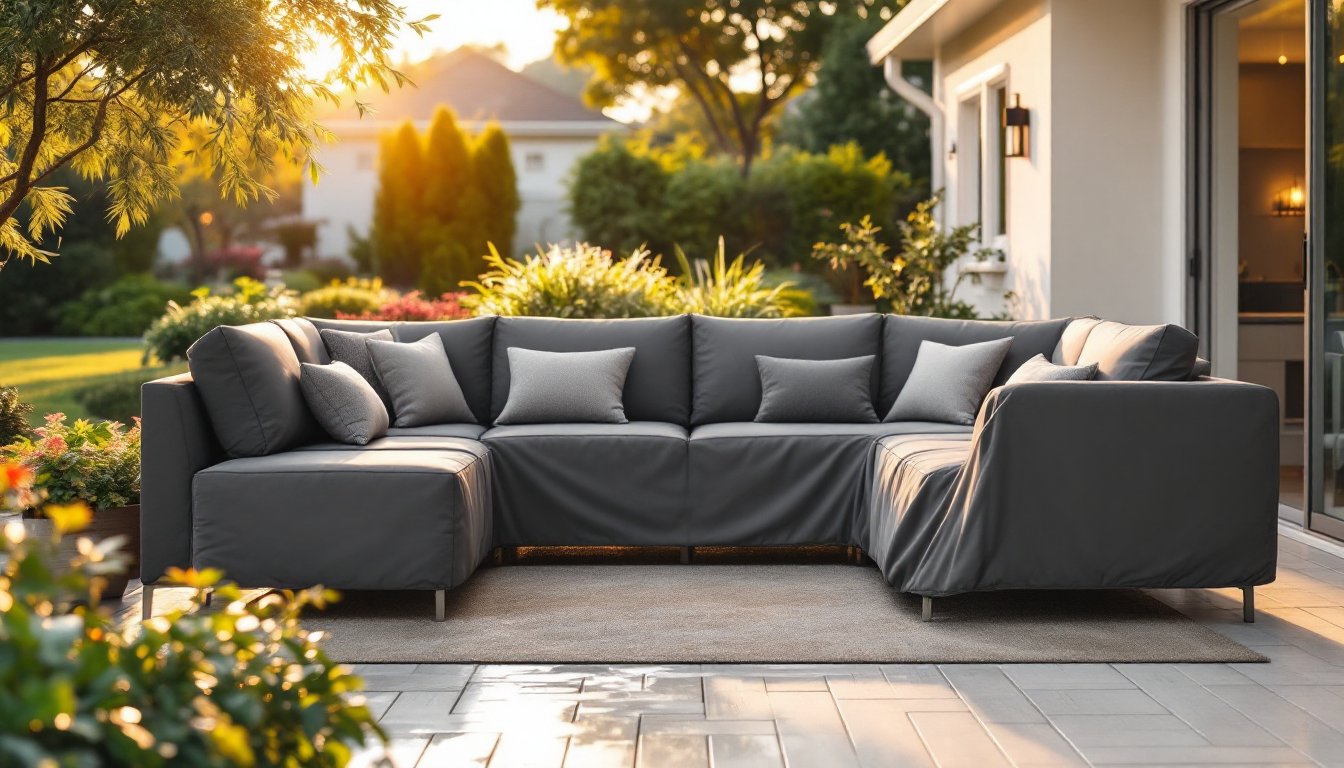
Your outdoor furniture takes a beating, rain, UV rays, dust, and temperature swings can fade, crack, and rust even the sturdiest pieces within a couple of seasons. A quality waterproof patio furniture cover is one of the cheapest insurance policies you can buy for your investment. In this guide, we’ll walk you through what makes a cover actually waterproof, how to pick the right one for your climate and furniture style, and how to install and maintain it so it lasts years, not months. Whether you’ve got a fabric sectional on the deck or a wrought-iron set on the patio, the right cover protects your pieces and saves you from expensive replacements.
Table of Contents
ToggleKey Takeaways
- A quality waterproof patio furniture cover protects against water damage, UV fading, rust, and mold while paying for itself by preventing costly replacements.
- Choose cover materials based on your climate: polyester for light duty in dry regions, vinyl for full waterproofing in moderate climates, and breathable premium blends for humid or extreme weather zones.
- Sealed seams, reinforced corners, proper vents, and UV stabilizers are critical features that separate durable waterproof covers from budget options that fail within a season.
- Proper installation requires clean, dry furniture, a snug fit, secure anchoring against wind, and adequate air circulation to prevent condensation and mold buildup.
- Regular maintenance—including seasonal cleaning, inspection for tears, and proper storage—extends your outdoor patio furniture cover’s lifespan and keeps your furniture investment protected year-round.
Why Waterproof Patio Furniture Covers Are Essential for Outdoor Protection
Water is the enemy of outdoor furniture. Rain sits in crevices, seeps into cushions, and promotes mold, mildew, and rust. UV rays fade paint and break down fabric fibers until they become brittle. Wind-driven dust and pollen settle into seams and joints, accelerating wear. Even in dry climates, nighttime condensation and temperature cycling stress materials.
A waterproof cover blocks all of this. It’s not just about keeping water off, it’s about maintaining the structural integrity and appearance of your pieces. A wooden table left bare for two seasons can develop splits and rot. Aluminum frames can pit and corrode. Fabric cushions can become breeding grounds for mildew and insects.
The payoff is real: a $200 cover protecting a $1,500 outdoor sofa pays for itself the first time it prevents you from having to replace cushion inserts or refinish a frame. Homeowners in humid climates especially appreciate this, a quality cover becomes non-negotiable. Even a few months of neglect in spring and fall can mean the difference between a refreshed look when you’re ready to entertain and visible deterioration by late summer.
Types of Waterproof Outdoor Furniture Covers and How to Choose
Covers come in a few main categories, and your choice depends on your furniture type, climate, and how often you’ll be using your outdoor space.
Basic polyester covers are the entry-level option. They’re lightweight, affordable ($20–$80), and offer water resistance but not full waterproofing. Polyester sheds water to some degree, but seams aren’t sealed and the material breathes, so condensation can collect underneath. These work fine for brief storage or light seasonal protection in drier climates.
Vinyl covers are the middle ground. They’re heavier, fully waterproof, and resist UV better than polyester. A vinyl cover typically runs $50–$150 and will keep your furniture completely dry. The tradeoff is that vinyl doesn’t breathe, so moisture can trap underneath if airflow is poor. Vinyl also becomes brittle in extreme cold and can crack with rough handling.
Premium blends, polyester and canvas composites, treated polyfabrics, or multi-ply systems, offer the best of both worlds. They’re waterproof at seams, breathable enough to prevent condensation buildup, and durable in extreme weather. These start around $100 and go up to $300+ for custom or high-end sets. If you’re protecting expensive furniture or live in a harsh climate, this is where your money goes farthest.
Consider your geography too. In the Pacific Northwest or humid South, breathability matters more because moisture gets trapped. In Arizona or Southern California, UV resistance is the priority. Resources like Better Homes & Gardens offer seasonal guides to help you think through your local conditions.
Material Options: Polyester, Vinyl, and Premium Blends
Polyester is what you’ll see on budget covers at big-box stores. It’s typically 150–200 denier weight, coated with a water-resistant finish. It’s light enough to handle alone, packs small for storage, and won’t rot or develop mildew on its own. The catch: water eventually finds its way in through seams and small tears. Polyester covers suit light-duty use, furniture you’ll use regularly and bring in for winter, or secondary pieces.
Vinyl runs heavier, usually 200–300 denier, and is fully laminated, not just coated. It stops water cold at every seam with proper installation. Vinyl’s main weakness is temperature sensitivity. In frigid climates, vinyl stiffens and cracks more easily. In scorching heat, it degrades faster unless it has a UV inhibitor. Vinyl doesn’t breathe, so if your patio traps humid air or if you live where summer dew is heavy, plan for some air circulation under the cover.
Premium blends combine the best traits. Canvas-polyester blends or multi-ply systems often use an outer waterproof layer, a breathable middle, and a soft inner lining that protects furniture finish. These covers cost more but justify it through durability and performance. Look for breathable waterproof labels, these fabrics allow trapped moisture to escape while blocking rain. Homeowners in challenging climates and those protecting sectionals or cushion sets swear by them. Sites like this curated guide on waterproof covers showcase functional, stylish options across price points.
Key Features to Look for in Quality Patio Furniture Covers
Not all waterproof covers are built the same. Here’s what separates a cover that lasts three years from one that fails in one season.
Seam sealing is non-negotiable. Even if the fabric is waterproof, water sneaks in at stitched seams unless they’re sealed with a tape or sealant. Check product descriptions for “sealed seams” or “taped seams.” This detail is what turns water-resistant into waterproof.
Weight and denier count matter. Flimsy covers, under 100 denier, tear easily and offer minimal durability. Aim for 150 denier minimum for polyester, 200+ for vinyl. Heavier isn’t always better (it’s harder to handle and stores bulkier), but there’s a sweet spot around 200–250 denier for most homeowners.
Vents or air holes prevent pooling. If rain sits on a cover, it can weight down corners and create pockets where water collects. Look for reinforced grommets or vents that let air circulate without letting water in. Some covers have smart vent placement at low points to shed water naturally.
UV stabilizers extend life. If a cover sits in sun year-round, UV degradation happens fast. Quality covers include UV inhibitors in the material itself, not just a surface treatment. This is especially critical in sunny climates.
Reinforced corners and tie-down points prevent wind lift. A cover is useless if the wind gets underneath it. Look for reinforced grommets at corners and hem areas where straps attach. Tie-down straps (elasticated or rope) should be rated for your region’s typical wind speeds. In windy areas, consider covers with more attachment points.
Backing or lining protects your furniture from abrasion. A cover with a soft inner surface won’t rub paint or fabric the wrong way during wind or animals moving it around. Some premium covers have a non-woven fleece lining: others use a smooth polyester backing. Either works better than bare vinyl or polyester against finished surfaces.
Check product reviews for real-world feedback. Does it fit snugly, or do corners bunch? Do seams hold after a season? Does condensation build up underneath? These details matter more than the marketing pitch.
Installation and Maintenance Tips for Long-Lasting Protection
A great cover only works if you install it right and maintain it properly.
Installation begins with surface prep. Clean your furniture thoroughly before covering it. Dust, pollen, and organic debris trapped under a cover create damp spots where mold can grow. Wipe down frames, let cushions air-dry completely, and remove any standing water from joints. If covering for winter, this step is essential, you’re sealing in whatever condition your furniture is in.
Fit matters. A loose cover flaps in wind, lets water work underneath, and wears faster. A too-tight cover stretches the material and stresses seams. Measure your furniture dimensions (width, depth, height) and compare to the cover’s stated fit range. Many quality covers come with adjustment straps or elastic hems that fine-tune the fit. Tighten straps so the cover is snug but not skin-tight.
Anchor it against wind. Use the tie-down straps provided, and if you’re in a windy area, consider additional stakes or straps to legs. In high-wind zones, a loose cover can become a sail and damage itself or nearby items. Secure corners and any loose edges, especially along the bottom hem.
Allow air circulation. Even breathable covers benefit from some space. If possible, keep the cover slightly elevated off the furniture, a small gap lets condensation and moisture escape. Avoid storing covered furniture against walls or in completely enclosed spaces where air is stagnant. Open sides of a covered patio are fine: a fully enclosed garage or shed with no ventilation can trap humidity.
Cleaning the cover itself extends its life. Once or twice a season, brush off debris, rinse with a garden hose, and wipe dry with a soft cloth. Don’t use a pressure washer, the force can push water into seams or tear the fabric. For stubborn stains or algae in humid climates, a soft-bristle brush and mild soap work. Rinse thoroughly and let air-dry completely before storing.
Storage between seasons matters too. If you remove the cover for winter or for a season when furniture won’t be used, store it in a dry, shaded location, not in direct sunlight, which degrades the material. A cedar closet or covered shelf works. Avoid damp basements unless it’s sealed and dehumidified. Store the cover loosely: compression over time can weaken fibers.
Inspect regularly. A small tear or seam separation now is a 10-minute fix. A small problem left unattended becomes a week-long water damage situation. Particularly after storms, check corners and seams for damage. Minor holes can be patched with a vinyl repair kit (cost: $5–$15). Separated seams may need re-sealing with a waterproof sealant or professional repair.
Conclusion
Waterproof patio furniture covers aren’t a luxury, they’re essential maintenance for outdoor spaces. The right cover, properly installed and cared for, protects your investment, extends furniture life, and saves you from seasonal replacement cycles. Choose a material that matches your climate (breathable blend for humid regions, UV-resistant vinyl for sunny ones), verify seam sealing and vent design, and install it snugly with proper anchoring. Maintenance is straightforward: keep it clean, allow air circulation, and inspect for damage seasonally. Your future self, the one looking at a faded, cracked, or moldy outdoor sofa, will thank you for spending a couple hundred dollars now instead of thousands later. Start with your most-exposed or most-expensive pieces, and expand from there.