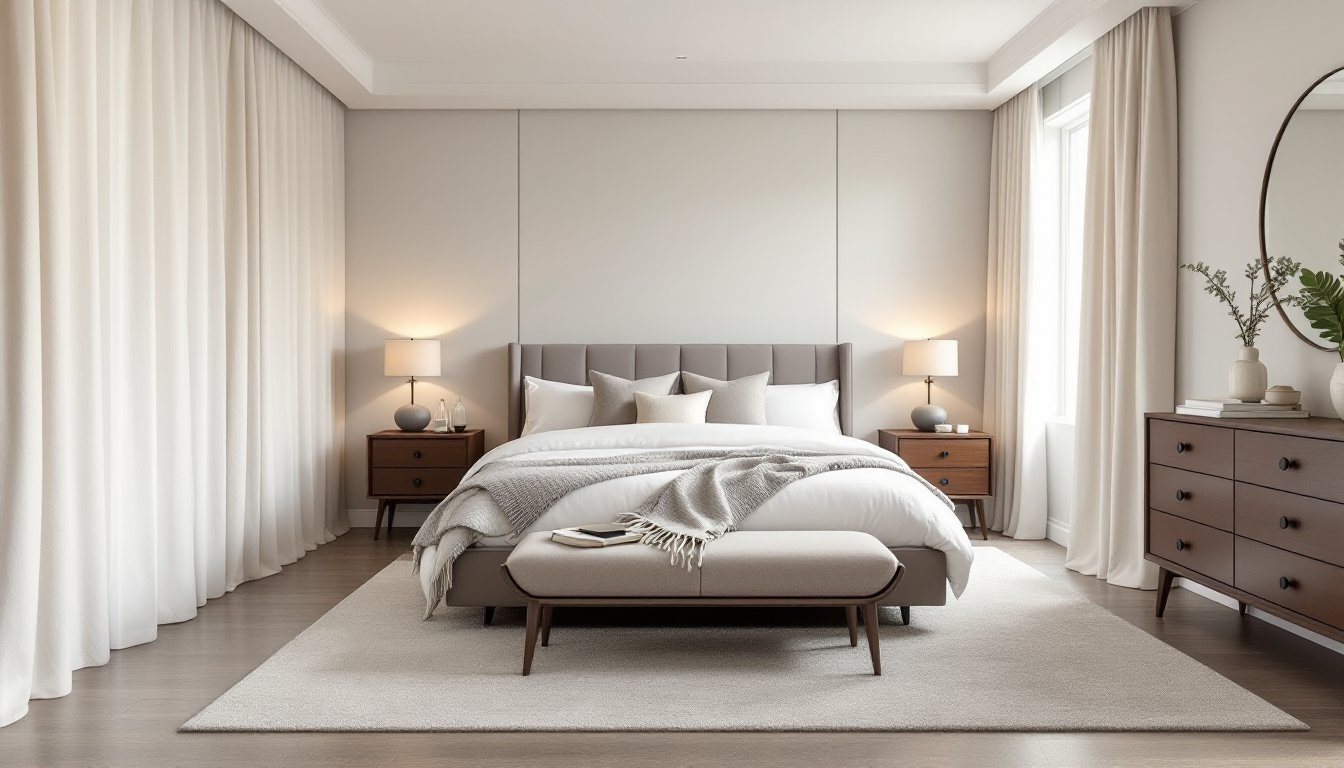
Walking into a luxury hotel room and sinking into that perfectly pristine bed is a feeling many people chase at home, and for good reason. Hotel bedroom furniture is engineered for comfort, durability, and an understated elegance that feels timeless rather than trendy. The difference between hotel furniture and standard home furniture goes deeper than aesthetics: it’s about construction quality, material selection, and thoughtful spacing. Homeowners who understand these principles can transform their own bedrooms into serene retreats without hiring a designer. This guide breaks down the design secrets hotels use to create inviting sanctuaries, plus actionable steps to replicate that luxury feel in your own space.
Table of Contents
ToggleKey Takeaways
- Hotel bedroom furniture prioritizes construction quality and durable materials—such as eight-way hand-tied springs, solid wood frames, and commercial-grade fabrics—to create pieces that withstand heavy use while maintaining timeless elegance.
- Neutral color palettes of soft grays, creams, and warm whites make hotel bedrooms feel larger and more restful by eliminating visual clutter that distracts the eye.
- Intentional spatial planning that maximizes empty floor area over cramped furniture placement is the signature of hotel design that makes rooms feel luxurious regardless of size.
- Hotel-quality beds, nightstands, and dressers achieve their refined look through clean lines, proper proportions, and high-end finishes like matte lacquer and brushed nickel hardware rather than ornate details.
- Strategic layering of textures, ambient lighting from dimmer-controlled table lamps, and ruthless editing of clutter—keeping surfaces nearly bare—transform any bedroom into a spa-like sanctuary.
- Shopping for hotel bedroom furniture means prioritizing solid construction, quality finishes, and commercial-grade durability over quantity, ensuring each piece serves a clear purpose in your space.
What Makes Hotel Bedroom Furniture Different From Home Furniture
Hotel furniture exists to serve thousands of guests a year, it has to be bulletproof. This durability requirement drives design choices that benefit homeowners seeking longevity and refined aesthetics.
First, construction quality is non-negotiable. Hotel beds use eight-way hand-tied springs or high-density foam cores rated for commercial use, which translates to longer lifespan and better support than many residential mattresses. Nightstands and dressers feature solid wood frames (or engineered wood with real veneer) rather than particleboard, with joinery designed to withstand constant wear. Hotel designers also favor materials that hide wear gracefully, think neutral upholstery, subtle textures, and finishes that age without showing fingerprints.
Second, the color palette and styling are intentionally neutral. Hotels rarely take design risks: they choose soft grays, creams, warm whites, and soft blacks that appeal to almost everyone and coordinate with multiple decor schemes. This restraint actually makes spaces feel larger and more restful, there’s no visual noise competing for attention.
Third, spatial planning differs markedly. Hotel rooms maximize negative space (empty floor area) rather than cramming in furniture. Every piece serves a function: the nightstand holds a lamp and water glass, the dresser stores essentials without becoming a clutter catch-all, the bench at the foot of the bed adds elegance without blocking sightlines. This intentional restraint creates breathing room that makes a bedroom feel luxurious rather than cramped, even in modest square footage.
Essential Pieces Every Hotel-Inspired Bedroom Needs
Beds and Bedding That Set the Standard
The bed is the anchor of every hotel room, and rightfully so, it’s where guests spend the majority of their time. A hotel-quality bed frame typically measures a standard queen at 60 inches wide by 80 inches long (check actual dimensions, as “queen” varies slightly by manufacturer), and it’s almost always built low to the ground with a streamlined headboard. Avoid ornate carved posts or excessive upholstery: clean lines and solid construction matter more than visual flourish.
The mattress itself should support your body without sagging at the edges. Commercial mattresses usually sit 10 to 12 inches tall and use individually wrapped coils or high-density foam (minimum 1.8 lbs per cubic foot) beneath a quilted top layer. For a home setup, brands that supply hotels, such as those offering firm to medium-firm support, are worth investigating. Pair the mattress with quality box springs or a solid platform base: a weak foundation undermines everything above it.
Bedding is where hotel rooms truly shine. Hotels invest in 300 to 600 thread-count Egyptian cotton sheets, which balance softness with durability. Avoid ultra-high thread counts (they often indicate lower-quality cotton twisted multiple times). Add a hotel-weight duvet or comforter in white or cream, layer with decorative pillows in matching or complementary textures, and finish with a bed skirt in neutral linen or cotton to conceal the frame. The key is coordinated simplicity: everything should harmonize without pattern overload.
Nightstands and Bedside Tables
Hotel nightstands are typically modest in scale, usually 18 to 20 inches wide, 18 inches deep, and 24 to 28 inches tall, matching the bed height so your hand rests naturally on the surface. Choose a solid wood construction (walnut, oak, or ash are common) with a single drawer for essentials and an open shelf below for a decorative basket or spare linens. A dark stain or natural finish feels more upscale than glossy lacquer.
Functionality matters: ensure one drawer has a pull-out element for charging cords, and the surface is deep enough for a table lamp, water carafe, and reading material without crowding. Pair the nightstand with a modern bedroom furniture arrangement that emphasizes simplicity. Avoid small decorative items piling up: hotels keep surfaces nearly bare, one lamp, one small personal item, that’s it. A table lamp with a linen shade in warm white or soft gray creates ambient light that mimics hotel ambiance far better than overhead fixtures.
When shopping for these pieces, browsing bedroom furniture stores that specialize in commercial-grade or hotel-inspired collections can help you find appropriately proportioned and constructed pieces without overpaying for unnecessary ornamentation.
Materials and Quality: Choosing Durable, Luxurious Finishes
Hotel furniture materials are chosen for longevity and visual elegance in equal measure. Solid hardwoods, walnut, oak, maple, and ash, are preferred over veneer or particleboard because they withstand daily use and can be refinished if needed. If budget is tight, engineered wood with real wood veneer (not paper-print veneer) is acceptable: check that the veneer is at least 2 mm thick and applied over plywood, not particleboard.
Upholstered pieces, like bedroom benches or accent chairs, use performance fabrics rated for commercial use. Look for durability codes (Wyzenbeek ratings of 20,000+ double rubs indicate heavy-duty fabric) and stain-resistant finishes. Microfiber and tightly woven linen blends are practical choices that look refined without requiring constant maintenance.
Finish quality separates luxury from ordinary. A properly applied lacquer or polyurethane finish creates depth and sophistication: it also protects wood from water rings and dust. Matte and satin finishes age more gracefully than high-gloss in bedrooms, they hide minor scratches and fingerprints better. If you’re refinishing existing furniture, using quality wood stain and multiple coats of water-based polyurethane will yield results closer to hotel-grade pieces than a single coat of budget-bin finish.
Hardware, drawer pulls, knobs, hinges, should be solid brass, brushed nickel, or matte black rather than shiny chrome. These finishes complement neutral palettes and feel more substantial. Replace cheap hardware as a low-cost upgrade that instantly elevates older furniture. When exploring discount bedroom furniture options, prioritize solid construction and quality finishes over quantity: one well-made nightstand beats three flimsy tables.
Layout and Spacing Strategies for a Spacious Feel
Hotel rooms feel expansive because every piece has a designated purpose and nothing is arbitrary. Start with a floor plan: position the bed against the primary wall (usually facing the entrance), leaving at least 3 feet of walking space on the sides. Nightstands flank the bed at matched heights, typically set back 6 to 12 inches from the bedside edge so you don’t stub your toe.
Dressers and storage should occupy a secondary wall without blocking windows or the door swing. A single horizontal dresser (48 to 54 inches wide) creates cleaner sightlines than two small chests, and the mirror above should be proportionate, roughly the same width as the dresser, centered 18 to 24 inches above the surface. Avoid wall-to-wall furniture: negative space is your friend.
If the room accommodates additional seating, place a low bench or small chair in a corner or at the foot of the bed, never in the middle of the floor. A hotel room’s power comes from clear sight paths and uncluttered views. Rugs should anchor the bed and define the sleeping area without extending wall-to-wall: a 5-by-8 rug under the bed and extending 2 to 3 feet on either side is proportionate for most queen beds.
Ceil your furniture to the room’s scale. A cavernous master bedroom can handle a larger dresser and accent pieces: a modest secondary bedroom calls for minimal furniture and simplified lines. Hotels understand that restraint in a small room is more luxurious than maximized storage. When you’re ready to shop bedroom furniture near you, measure your space and plan placement before purchasing, returns are expensive, and a thoughtfully selected few pieces beat a crowded room full of options.
Styling Tips to Replicate the Hotel Experience at Home
The final layer separating a bedroom from a hotel sanctuary is styling, not in the Pinterest-board sense, but in the intentional editing of visual information. Hotels achieve this by extreme editorial control: every item is curated, nothing sits idle on surfaces, and the eye is invited to rest rather than dart around.
Start with soft, ambient lighting. A dimmer-controlled table lamp on each nightstand, paired with wall sconces flanking the headboard, creates a warm glow that overhead lights can’t match. Use warm white bulbs (2700K color temperature) rather than cool or daylight. Blackout curtains or cellular shades in neutral fabric allow guests to control light and privacy while maintaining a cohesive aesthetic.
Layer textures but keep the palette simple. A quilted cotton duvet, linen pillows, a lightweight throw blanket (draped over the bench), and a plush area rug add tactile richness without visual chaos. Stick to three colors: a neutral base (white, cream, soft gray), a secondary neutral (warm taupe, greige), and one accent if desired (soft black, warm tan). Hotels often skip the accent color entirely, and that’s wise for a calming retreat.
Remove clutter ruthlessly. Nightstands hold a lamp, water carafe, and small notebook, nothing else. Dressers are clear except for a mirror and perhaps a single decorative object (a small plant, a framed print, or a sculptural accent). If you need storage, a white bedroom furniture set with generous drawers keeps belongings hidden. Use drawer dividers and matching storage boxes to maintain order: out of sight, out of mind.
Add subtle scent if desired. A lightly scented candle or diffuser with a clean fragrance (lavender, linen, citrus, nothing heavy or artificial) reinforces the spa-like atmosphere without overwhelming. Hotels are meticulous about air quality: ensure your bedroom is well-ventilated and dust-free. Fresh flowers in a simple vase or a potted plant in the corner adds life without fussiness.
According to design professionals, a bedroom modeled after hotel design principles balances comfort, simplicity, and intentional restraint. The goal isn’t luxury goods: it’s thoughtful curation. When every piece serves a purpose and nothing competes for attention, even a modest bedroom becomes a retreat worth investing in.