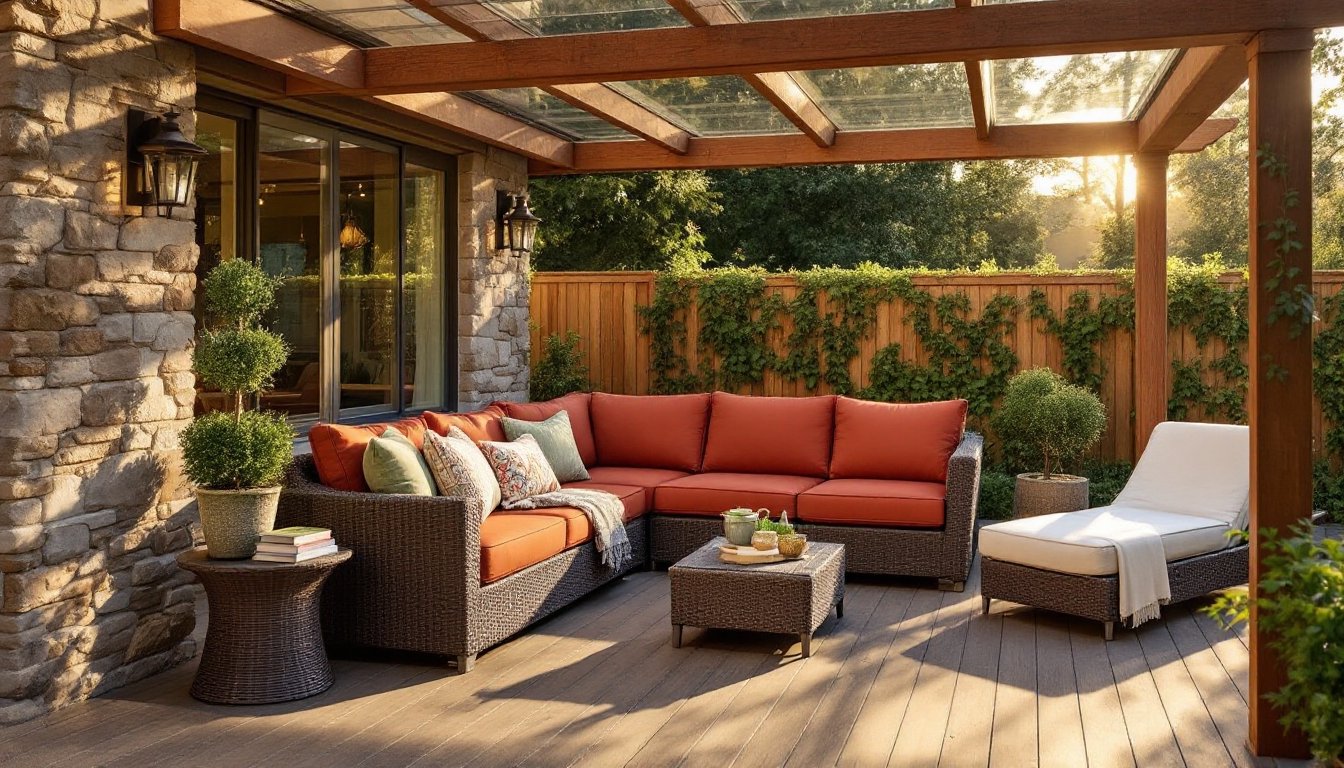
Brown patio furniture has quietly become the workhorse of outdoor design, and for good reason. It’s versatile enough to anchor a modern minimalist deck, warm enough to complement traditional farmhouse aesthetics, and durable enough to handle everything from scorching sun to freezing winters. Whether you’re furnishing a small balcony or a sprawling backyard, brown tones offer a neutral canvas that plays well with nearly any design direction. This guide walks you through selecting, styling, and maintaining brown patio furniture that actually works for your space and lifestyle, not just looks good in a showroom photo.
Table of Contents
ToggleKey Takeaways
- Brown patio furniture is a strategic choice that ages gracefully, hides stains and fading better than white or black, and creates a warm, welcoming extension of your home.
- Select materials based on your climate and lifestyle: teak and cedar for premium durability, synthetic wicker (HDPE) for low-maintenance aesthetics, and aluminum or resin for affordability and practicality.
- Measure your space and test furniture scale with cardboard templates before purchasing to avoid costly returns and ensure brown patio furniture fits both your footprint and storage needs.
- Extend furniture life by using breathable outdoor covers during harsh weather, following material-specific cleaning routines, and sealing wood every 1–2 years with exterior-grade products.
- Mix high and low investment by starting with one quality statement piece (like a teak sectional), then adding affordable complementary items and refreshing with new cushion covers for seasonal updates.
- Brown patio furniture works across design styles from minimalist to farmhouse because it pairs seamlessly with natural stone, composite decking, and both warm and cool accent colors.
Why Brown Is the Perfect Choice for Your Outdoor Living Area
Brown isn’t a default choice, it’s a strategic one. Unlike white, which yellows and shows dirt: or black, which absorbs heat and can feel severe: brown ages gracefully and hides the inevitable dust and weathering that comes with outdoor living. It pairs beautifully with natural stone, composite decking, and both warm and cool accent colors.
From a practical standpoint, brown furniture offers exceptional camouflage for stains and fading. A chocolate-toned wicker cushion won’t scream for replacement after one season of sun exposure like a cream-colored one might. The color also has a warming effect, literally and visually, making your patio feel like an extension of your home rather than an afterthought.
Psychologically, brown conveys stability and comfort. It’s the color of earth, wood, and shelter. Your guests will sit down on a brown sectional and immediately relax in ways they might not on something stark or trendy. That matters when you’re building a space where people actually want to linger and entertain.
Types of Brown Patio Furniture to Consider
Wood and Wicker Options
Solid wood furniture, teak, cedar, or treated hardwoods, represents the premium end of the spectrum. Teak naturally sheds oils that protect it from rot and insects, making it a legitimate 20-year investment if properly maintained. Cedar is more affordable, lighter in weight, and has a pleasant scent, though it requires more frequent sealing with a marine-grade stain or sealant (reapply every 1-2 years depending on climate).
Wicker over a metal frame combines the aesthetic of woven textures with genuine durability. Look for synthetic resin wicker (often labeled as high-density polyethylene or HDPE) rather than natural rattan if you want a truly low-maintenance option. Synthetic wicker won’t fray, split, or rot, and it handles UV exposure far better than its natural cousin. Cushions still matter here, a quality outdoor-grade fabric with UV protection (check for solution-dyed acrylic or performance polyester) will resist fading and moisture better than standard cloth.
Metal and Resin Alternatives
Aluminum furniture is lightweight, corrosion-resistant, and practical for renters or anyone who moves frequently. It won’t rot or splinter, and it typically costs less than solid wood. The trade-off: it conducts heat, so metal armrests and seats can get uncomfortably hot in direct sun during peak afternoon hours.
Cast iron and wrought iron deliver vintage charm and serious weight (you’re not moving these without help). They rust if the finish chips, so inspect any used pieces carefully and plan to touch up scratches with a rust-preventative paint. Steel frames coated with powder-coating (a factory process that bonds paint to metal through heat) last longer than spray-painted finishes. Resin furniture mimics wicker or wood appearance but adds durability and affordability. It won’t splinter, warp, or rot, making it ideal for humid climates or areas with intense sun exposure.
How to Select and Style Brown Furniture for Your Patio
Start by auditing your actual space: measure your patio footprint, note sun exposure throughout the day, and identify foot traffic patterns. A 10×12 deck stuffed with oversized sectionals becomes a claustrophobic maze: an 8×8 balcony actually benefits from one large piece and layering with smaller accent tables rather than cramming in multiple separate items.
Consider shade and undertone depth. Light tan or honey-brown works well in spaces with limited natural light or where you want an airy feel. Deeper chocolate or espresso browns ground larger spaces and pair seamlessly with modern decking or stone. Mixing brown furniture with complementary accents, warm terracottas, sage greens, or warm grays, creates visual interest without fighting your main pieces. Outdoor design inspiration from sources like Southern Living’s porch ideas shows how brown furniture acts as an anchor for layered color schemes.
Scale matters enormously. An oversized sectional might be “perfect” in a showroom but overwhelming on your actual patio. Conversely, delicate bistro chairs can look skimpy in a sprawling backyard. Buy or borrow templates (cardboard boxes work) and arrange them in your space before purchasing. This sounds fussy, but it saves thousands of dollars in returns or regret. Also factor in storage. Will your cushions live outside year-round, or do you need a weatherproof deck box? Will furniture fold, nest, or stack for off-season storage?
Maintenance Tips to Keep Your Brown Patio Furniture Looking New
Prevention beats restoration. Start by placing furniture under cover during the harshest weather: heavy rain, hail, ice, or snow. A quality outdoor furniture cover (look for breathable, UV-resistant materials like 250D Sunbrella or similar high-denier fabrics) costs $50–$150 and extends furniture life by years compared to complete exposure.
Cleaning routines depend on material. For wood, gentle soap and water annually is usually enough: avoid power washers on finishes (they can strip protective coatings). For wicker or resin, a soft brush and mild detergent removes dust and mildew buildup. Cushions should dry completely before stacking to prevent mold, air dry in direct sun when possible. Metal furniture benefits from a quick wipe-down with a damp cloth: if rust appears, sand it lightly with fine-grit 220-grit sandpaper and touch up with rust-preventative paint.
Sealing and staining solid wood every 1–2 years keeps it protected. Use a stain formulated for exterior surfaces (interior deck stain won’t hold up). Teak actually improves with age if left to weather naturally to a silvery-gray: if you prefer the original brown, apply teak oil every 6 months. Wicker cushion covers should be removed and washed seasonally, and zippers checked for corrosion. Store cushions indoors over winter in humid climates. Small maintenance now prevents large repairs later.
Budget-Friendly Brown Furniture Ideas for Every Homeowner
You don’t need to drop $5,000 on a patio set to have a functional, beautiful outdoor space. Start with secondhand solid wood or metal pieces from estate sales or Facebook Marketplace, often priced at 30–50% below retail. Inspect carefully for structural damage, but cosmetic wear (faded finish, weathered surface) is normal and actually adds character.
Mix high and low: invest in one quality statement piece (a durable teak sectional, or a well-made wicker sofa with premium Sunbrella cushions), then layer in affordable bistro chairs, side tables, or footstools from big-box retailers. These lower-cost pieces take wear-and-tear better and are easier to refresh or replace.
DIY restoration is also viable. A worn metal chair gets a fresh lease on life with exterior-grade spray paint in a coordinating brown tone (two thin coats beat one thick one: prep surfaces with a wire brush first to remove rust or loose paint). Wood pieces can be sanded and restained over a weekend. Garden design resources like Gardenista’s outdoor living ideas often feature reimagined thrifted pieces, proving that age-appropriate furniture doesn’t require a premium budget.
Cushions and pillows are the quickest refresh without replacing furniture. Swap out faded covers for new solution-dyed outdoor fabrics in coordinating tones, an afternoon project that transforms a dated set into something current. Look for end-of-season sales in August and September when retailers clear summer stock before fall arrives.
Brown Patio Furniture: Making the Right Choice
Brown patio furniture works because it forgives imperfection, adapts to change, and anchors outdoor spaces with genuine warmth. Whether you choose solid wood, synthetic wicker, metal, or resin, the key is matching the material to your climate, lifestyle, and actual usage patterns. Honest assessment of foot traffic, sun exposure, and maintenance appetite prevents costly mistakes. Start with one quality piece, add thoughtfully, and refresh strategically. Your patio should feel like an earned extension of your home, not a design magazine spread that requires white gloves to sit on. Brown delivers that balance reliably, year after year. Explore Country Living’s rustic outdoor ideas for additional inspiration on styling brown furniture within your preferred aesthetic.