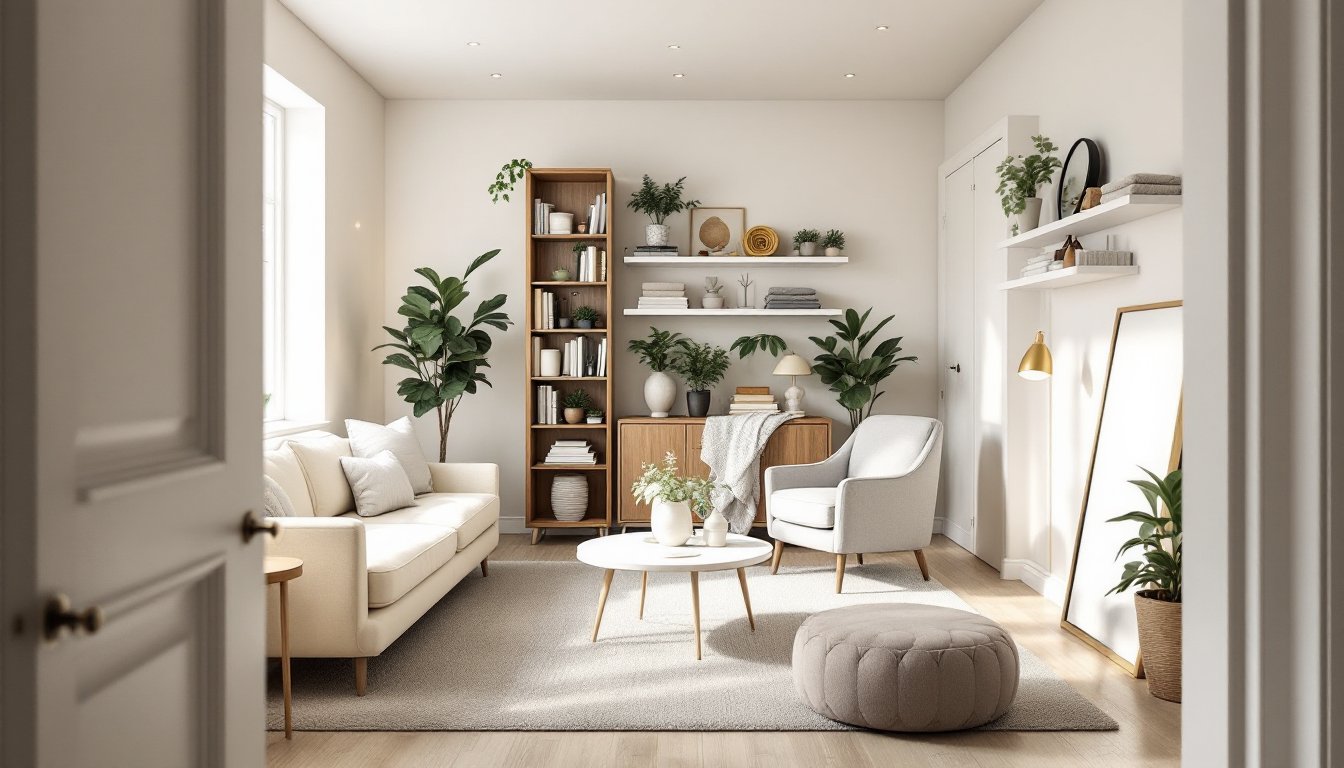
Squeezing a functional living room into a small space feels impossible until you know the layout secrets that make it work. A cramped room isn’t a design failure, it’s a puzzle waiting to be solved with smart furniture placement, multipurpose pieces, and strategic use of your vertical plane. Whether you’re furnishing a studio apartment, a cozy den, or a starter home with oddly proportioned rooms, the right arrangement transforms a suffocating space into one that feels open, organized, and genuinely livable. This guide walks homeowners and DIY enthusiasts through a practical step-by-step approach to furniture arrangement that maximizes every square foot without sacrificing comfort or style.
Table of Contents
ToggleKey Takeaways
- Measure your space and create a scale sketch before moving furniture—this prevents costly guesses and ensures your living room arrangement actually fits your needs.
- Floating furniture 12–18 inches from walls makes small spaces feel larger by defining zones and improving traffic flow better than pushing everything against walls.
- Choose multipurpose pieces like storage ottomans, nesting tables, and wall-mounted desks to maximize function without sacrificing floor space in small living rooms.
- Optimize vertical space with tall shelving and wall-mounted storage—your walls are premium real estate in small spaces that shouldn’t go unused.
- Use layered lighting and mirrors to visually expand your room and prevent the claustrophobic feeling that dark, single-source lighting creates.
- Create subtle zones with area rugs, room dividers, and strategic lighting to make your living room feel intentional and organized rather than cramped.
Measure Your Space and Plan Your Layout
Before you push a single piece of furniture into your living room, grab a tape measure and document what you’re actually working with. Measure the room length, width, and ceiling height, then note the location of windows, doors, outlets, and any permanent features like fireplaces or built-ins. Jot down the exact dimensions, most people guess and regret it.
Next, sketch your room to scale on graph paper or use a free online room planner tool. Mark where natural light enters and which walls get the most foot traffic. Identify any structural constraints: does a hallway open into the room, or is there an entryway that needs breathing room? These details matter more than aesthetics at this stage.
Once you have your baseline, list the furniture you actually need. Not want, need. A sofa, one or two chairs, a coffee table, and storage are usually the essentials. Everything else is negotiable. This discipline prevents the “but I could fit this side table” mentality that chokes small rooms. Your living room doesn’t need to be a showroom: it needs to function for real life.
Choose Multipurpose Furniture
In a small living room, every piece earns its space by doing double duty. A storage ottoman serves as a footrest, extra seating, and hidden storage in one compact form. A nesting coffee table with two tiers lets you scale down when company leaves. A sofa with built-in storage under the seat cushions absorbs blankets and remotes without extra furniture.
Consider a wall-mounted desk or console table that pulls double duty as work-from-home space and an accent piece. When not in use, it doesn’t consume floor area the way a traditional desk would. Look for shelving units that combine open storage with closed cabinetry, the open shelves feel lighter visually, while the cabinets hide the clutter.
IKEA Bedroom Furniture: Transform often features compact, stackable pieces designed for efficiency, and many of these principles transfer directly to living room planning. Avoid oversized sectionals or bulky recliners unless your space truly accommodates them. A loveseat paired with one accent chair often works better than a full sofa in tight quarters. The idea is to reduce footprint without sacrificing comfort, a well-designed compact sofa beats a sprawling one that dominates your room.
Floating Furniture for Better Flow
The instinct in small spaces is to push everything against the walls. Resist it. Floating furniture, pulling pieces away from walls to create intentional groupings, actually makes small rooms feel larger by defining zones and improving traffic flow.
Start with your sofa. Pull it about 12 to 18 inches from the wall behind it. Add a console table or narrow shelf along the wall to anchor the space and add storage. Place your chairs opposite or at a slight angle, angling them inward so conversation naturally happens. This creates an intimate seating area that doesn’t feel cramped.
The coffee table belongs in the center of your grouping, about 12 to 18 inches from the sofa edge. This spacing looks intentional and leaves enough room to walk around without stubbing toes. Leave at least 24 inches of clear walking space between furniture pieces for natural foot traffic flow. Cramming pieces tightly together doesn’t save space, it kills usability. A room where you can move comfortably always feels larger than one where you’re constantly navigating around furniture.
Optimize Vertical Space with Smart Storage
Square footage might be limited, but your walls aren’t. Tall, narrow bookcases and wall-mounted shelving draw the eye upward, which visually expands the room. Install floating shelves 12 to 16 inches apart on one wall for books, plants, and decor, just remember that overstuffing them defeats the purpose. A few thoughtful items beat a cluttered display.
Modern Bedroom Furniture: Transform concepts apply here too: wall space is premium real estate. A vertical shelving unit occupies minimal floor area while providing massive storage. Corner shelves maximize dead space that would otherwise go unused. Wall-mounted cabinets above a console table keep belongings off the floor and out of sight.
Sources like Real Simple emphasize that clutter is the real space killer in small rooms, not furniture size. Smart storage keeps clutter contained, which is why investing in the right storage pieces (baskets, closed cabinetry, vertical racks) matters more than minimalist decoration. A small room with good storage feels spacious: a small room drowning in visible clutter feels suffocating.
Use Light and Mirrors to Expand Visual Space
Lighting transforms small rooms more dramatically than any furniture choice. Layered lighting, overhead fixtures, table lamps, and accent lights, creates visual depth and prevents the cave-like feeling of a single ceiling light. Position task lighting near seating areas so you can read without straining. Avoid harsh, bright overhead lighting: use warm, dimmable bulbs that make the space feel intentional and cozy.
Mirrors are the small-space secret weapon. A large mirror opposite a window bounces natural light around the room and tricks the eye into perceiving more square footage. Position it to reflect light without creating glare. A tall, narrow mirror leans against a wall or hangs above a console for impact without taking up floor space.
IKEA Hackers showcases creative ways to repurpose furniture and incorporate reflective surfaces into compact layouts. Light paint colors (whites, soft grays, pastels) also expand visual space compared to dark walls. If your living room feels claustrophobic, check your lighting first, it’s often the culprit, and it’s the cheapest fix to try.
Create Zones Without Overwhelming Your Room
Even in a single open room, subtle zoning using furniture placement, rugs, or lighting helps define function and makes the space feel intentional rather than cramped. An area rug anchors your seating zone, a 5×7 or 6×8 rug works for most small living rooms, defining the seating area without covering the entire floor.
If your living room doubles as a workspace, Bedroom Furniture: Transform storage principles apply, a room divider, tall shelf unit, or even a hanging curtain can visually separate zones without blocking sight lines completely. The goal isn’t to wall off areas but to create subtle delineation using existing furniture and accessories.
Light also zones a space. Wall sconces flanking a mirror, for example, define a reading nook. Pendant lights over a console table create a work zone. These visual cues help your brain organize the space, so it doesn’t feel like one jumbled room. Small spaces work best when every zone has a purpose and a subtle visual anchor. When you enter the room, you should instinctively understand where to sit, where to work, and where to relax.
Conclusion
Arranging furniture in a small living room isn’t about tricks or sacrifice, it’s about intentional planning and smart choices. Measure first, choose pieces that earn their space, float your furniture for better flow, and build upward with storage and light. When you respect your square footage and commit to removing excess, even a tiny room becomes a perfectly functional home. Start with one section, adjust as you live in the space, and remember that the best layout is the one that actually works for your life.