Table of Contents
ToggleThe Big Impact of Small Changes
Living in a small home comes with unique advantages: lower utility bills, less upkeep, and an intimate, welcoming atmosphere. Still, it’s natural to crave a refreshed look or improved functionality—without the sky-high costs of major renovations. The good news? With a bit of creativity and a modest budget, you can make transformative upgrades that enhance both the style and practicality of your space. Whether you’re renting and want a temporary boost or you own your space and seek lasting value, the right changes can make your home feel larger, brighter, and more tailored to your lifestyle.
Financing Upgrades: Options and Smart Strategies
Even seemingly minor projects—like updating wall colors, replacing outdated lighting, or adding extra storage—can add up financially. If tapping into savings isn’t ideal, many homeowners and renters look for ways to spread out expenses. One accessible option is to explore small loans, designed for modest home improvement projects. These loans often feature faster approval and minimal paperwork, making them perfect for tackling projects like giving a bathroom a facelift or modernizing kitchen cabinets on a budget.
Responsible borrowing is key: start by mapping out your budget, prioritizing the upgrades that matter most, and ensuring monthly payments fit comfortably within your means. Many people maximize their funds by combining a small loan with DIY efforts—painting walls themselves or assembling flat-pack furniture—making every pound stretch further while adding a personal stamp to their space.
Design Tweaks That Maximize Space
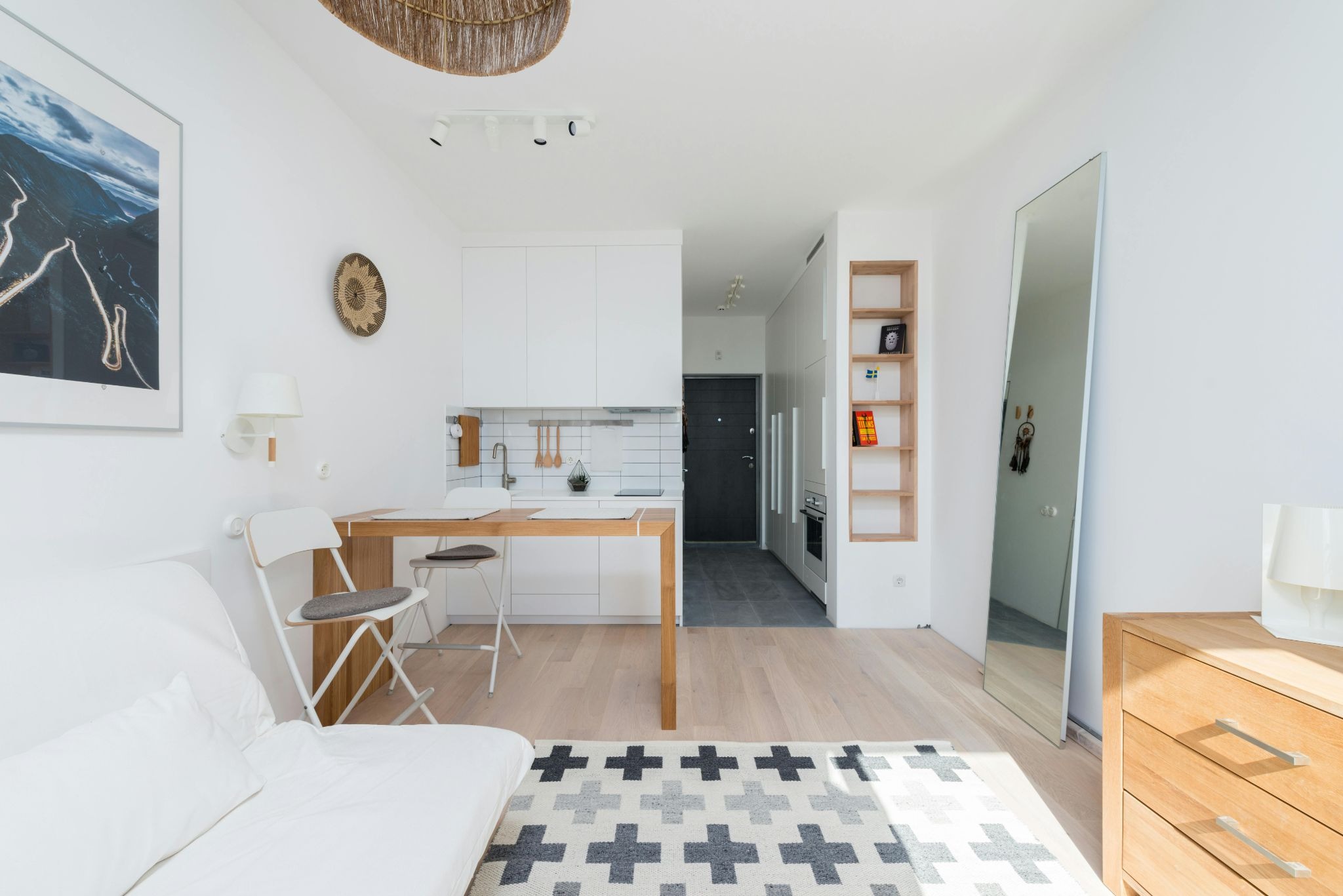
Great design isn’t about square footage—it’s about making smart choices that maximize what you have. Multi-functional furniture, such as sofa beds or expandable dining tables, can instantly transform how a room is used. For inspiration, explore this guide to space-smart choices that transform small living. Even simple changes—like mounting floating shelves, replacing dark curtains with sheer panels, or creating an accent wall with bold paint—can make a studio apartment feel more spacious and personalized.
Take the example of Sarah, who lived in a compact city flat with little natural light. By strategically placing a large mirror opposite her window and painting the walls a soft, reflective shade, she dramatically increased the brightness and sense of space—without expensive renovations. Similarly, a friend of hers added under-bed storage bins and wall-mounted hooks, instantly decluttering her bedroom and freeing up floor space.
Small Tech, Big Difference
Smart technology doesn’t have to be costly or bulky to make a real impact in a small home. Upgrading to smart LED bulbs lets you control lighting and mood from your phone, while energy-efficient appliances—like slimline dishwashers or two-in-one washer/dryers—save both space and utility costs. Even compact smart speakers can manage your schedule, control devices, and stream music without crowding your shelves.
Personal touches make tech upgrades even more rewarding: choose color-changing bulbs to set the right mood for movie nights, or pick a smart speaker in your favorite finish to match your décor. For those interested in integrating playful tech or setting up a gaming nook, check out this overview on setting digital identities within a home context, which shows how digital tools and entertainment setups can fit seamlessly into a thoughtfully organized home.
DIY Upgrades and Community Solutions
Adopting a do-it-yourself (DIY) mindset can stretch your budget further than you might expect. Projects like painting kitchen cabinets, adding peel-and-stick backsplash tiles, or building your own floating shelves can all give a tired room a fresh look at minimal cost. In many towns and cities, tool libraries and makerspaces have popped up, allowing residents to borrow equipment or collaborate on projects—making upgrades more affordable and fostering a sense of community.
For instance, a young couple aiming to refresh their kitchen on a shoestring budget might hunt for reclaimed wood to build open shelving or swap out drawer pulls for an instant style update. Teaming up with neighbors—perhaps trading a few hours of painting for help with assembling furniture—can bring in new skills and ideas while building local connections. In some neighborhoods, residents organize “renovation swaps,” where they help each other with home projects in exchange for meals or future favors.
Making Upgrades Sustainable and Future-Proof
When space and money are limited, it’s smart to choose upgrades that last and adapt over time. Opting for durable, eco-friendly materials—like bamboo flooring or recycled glass tiles—can save money on future repairs and minimize environmental impact. Modular furniture pieces can be rearranged as your needs or tastes evolve, while investing in reusables—such as water filter pitchers, cloth napkins, or LED bulbs—pays off in both savings and sustainability.
Don’t overlook the emotional benefits of small updates. Adding framed family photos, a few leafy houseplants, or a cozy throw blanket can instantly make a space feel more inviting and personal—turning even the smallest flat into a true home that reflects your personality and values.
Conclusion: Small Steps, Big Rewards
Transforming a small home doesn’t require a massive budget or sweeping renovations. By combining creative design, smart technology, and flexible financing, you can make your space more functional and welcoming—one upgrade at a time. As more people embrace sustainability and resourcefulness, these small, intentional changes can make everyday living more comfortable and set the stage for a brighter, more adaptable future at home.