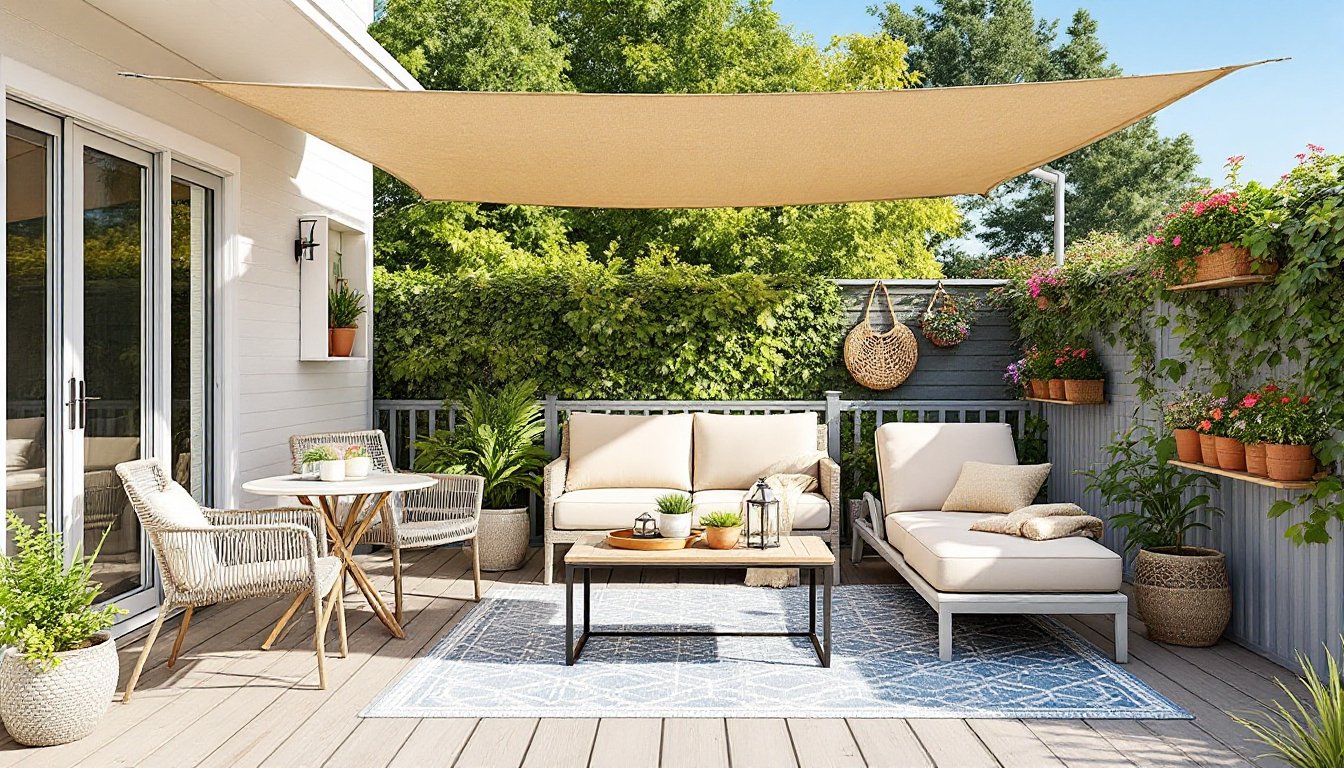
A small deck doesn’t mean cramped or uncomfortable outdoor living. The key is smart furniture selection and thoughtful layout, the same principles that work in tiny apartments translate directly to compact outdoor spaces. Whether you’re working with a 10-by-12-foot platform or a tight balcony, the right arrangement can make your deck feel larger, more functional, and genuinely inviting. This guide walks you through assessing your space, choosing pieces that earn their footprint, and arranging zones so everything flows naturally without feeling cluttered or awkward.
Table of Contents
ToggleKey Takeaways
- Measure your deck dimensions and traffic flow before purchasing furniture to avoid costly mistakes and ensure a natural path from doors to stairs without obstruction.
- Small deck furniture layout thrives when every piece serves multiple functions—choose storage benches, nesting tables, and wall-mounted solutions to maximize functionality without clutter.
- Create distinct seating, dining, and lounge zones by angling furniture and using area rugs as visual anchors, allowing zones to overlap slightly for a more intimate and spacious feel.
- Leverage vertical space with wall-mounted shelves, railing planters, and pergolas to free up valuable floor space while adding visual interest and shade to your small deck.
- Select right-sized furniture pieces and materials like lightweight aluminum or mesh that feel less bulky, and test your layout with painter’s tape before committing to permanent placement.
Assess Your Deck Dimensions and Traffic Flow
Before you order a single cushion, measure your deck carefully, length, width, and note any stairs, doors, or fixed railings. Write down the exact dimensions: eyeballing it almost always leads to expensive mistakes. Check which direction it faces (sun exposure changes comfort and furniture durability dramatically) and identify the paths people naturally walk when entering or moving between your home and yard.
Mark out traffic zones on a sketch. Most decks need a clear path from the door to the stairs or yard, this shouldn’t require moving chairs. A common mistake is arranging everything symmetrically around the center, which often leaves awkward dead zones or forces people to navigate around furniture. Instead, push seating toward the edges and railings, leaving the middle open for movement.
Also note where shade falls at different times of day. An umbrella or shade sail helps, but if your deck is full-sun exposure from noon to 4 p.m., consider placing dining furniture on the shadier side and lounging areas where a lightweight shade structure is easy to add later. Wind patterns matter too, if your deck is on an upper level or faces open exposure, heavier furniture resists wind better, and lightweight pieces need bracing or weight.
Choose Multi-Functional Furniture Pieces
In a small deck, every item should pull double duty. A coffee table that doesn’t offer storage or a side table that doesn’t fold is just taking up space. Look for pieces with solid, practical multiple functions, not gimmicks that look clever and perform none of them well.
Storage Benches and Ottomans
A storage bench anchors a seating area, provides a place to sit, and keeps cushions, throws, toys, or outdoor tools out of sight. Choose one with weather-resistant upholstery (solution-dyed acrylic or marine-grade vinyl) and sealed wood or composite sides. Size matters: a 48-inch bench seats two to three and accommodates a small throw blanket underneath: a 36-inch version works for tight corners. Ottoman-style storage cubes stack or cluster, so you can add them as your layout solidifies without committing to one large piece.
Nesting tables are another workhorse solution. Two or three tables that nest into one another take up minimal space when unused but spread out to handle drinks, plants, and small plates when entertaining. A console table against a railing serves double duty as a bar, display surface, or dining extension when paired with a small bistro set. On very tight decks, consider wall-mounted folding tables that drop down when needed and tuck flat against the house when empty.
Create Distinct Zones Without Clutter
Even a 150-square-foot deck can feel spacious and organized if you mentally divide it into purpose zones. You don’t need heavy dividers, rugs, slight height changes in furniture, or the angle of seating groups create invisible boundaries that make a small space feel intentional.
Seating, Dining, and Lounge Areas
If your deck is large enough, define one corner for casual seating (a couple of chairs and a small table) and another for dining. A compact bistro table (28 to 30 inches round, or 30 by 48 inches rectangular) seats two comfortably and four if you don’t mind coziness. Place it near the kitchen door if possible, it keeps traffic flowing naturally and makes serving easier.
For a lounge zone, a single chaise or daybed works magic on a small deck. It invites relaxation, gives you a second “room” purpose, and takes less footprint than four separate chairs. Pair it with one or two side tables for drinks and reading. Use an outdoor area rug (6 by 9 feet at maximum on a small deck: smaller is often smarter) to anchor the seating cluster and visually separate it from dining or circulation space.
The trick is overlapping. Instead of rigid, separate zones, let them bleed into each other slightly. A seating area doesn’t need its own dedicated sofa, two armchairs angled toward a small table work beautifully and feel less heavy. Resources on small space living ideas often emphasize that tight layouts actually feel more intimate and cozy when elements interact rather than sit in isolation. Avoid pushing all furniture to the perimeter: that actually makes a small deck feel smaller and more empty.
Leverage Vertical Space and Wall-Mounted Solutions
When square footage is precious, go vertical. Wall-mounted shelves, hooks, and planters free up floor space while adding visual interest and function. A pair of sturdy shelves (rated for outdoor weight and weather) holds potted plants, lanterns, or rolled-up cushions. Hooks for hanging planters, a bistro umbrella, or a lightweight bistro chair create breathing room below.
A pergola or shade sail overhead costs more but opens up seating below, people sit longer and more comfortably under shade, so you actually get more use from your small deck. If installing permanent structures requires permits (most jurisdictions require them for overhead structures attached to the deck), plan ahead. Freestanding umbrellas offer flexibility without paperwork and can be swapped out seasonally.
Rails and railing planters are often overlooked on small decks. Railing planters hang on the existing structure, adding greenery without consuming floor space. They soften the hard edges of railings and create a garden-like feel on even the tiniest platform. Choose lightweight composite materials for railing planters: heavy ceramic holds moisture and adds unnecessary weight to your deck structure.
Select Right-Sized Furniture and Layouts
“Petite” doesn’t mean flimsy or uncomfortable. Look for pieces specifically proportioned for small spaces: 32-inch-tall accent chairs instead of 36-inch versions, side tables with 14-inch tops instead of 20-inch, and shallow-depth console tables (10 to 14 inches) instead of 24-inch versions. Proportional furniture feels intentional, not cramped.
Consider the visual weight of materials. Lightweight aluminum frames, see-through mesh, or slatted wood chairs feel less bulky than solid cushioned pieces. Woven resin or powder-coated metal is durable, weather-resistant, and visually lighter than traditional hardwood, it’s the practical choice for a small deck that needs to breathe. A porch and outdoor living design approach that pairs airy frames with a single statement rug or generous umbrella balances visual lightness with comfort.
Layouts should prioritize conversation distance. In a small space, furniture farther than 5 or 6 feet apart feels isolating. A four-seat arrangement with seats facing each other across a 30-inch table invites interaction. An L-shaped seating arrangement (a small bench and two chairs) nestles into a corner and takes minimal floor space. Diagonal angles often work better than rigid rows on tight decks, they feel less formal and create pockets of space that wouldn’t exist with parallel lines.
Test your layout before committing to permanent placement. Use painter’s tape on the deck to outline furniture footprints. Walk the paths, imagine entertaining, and sit in the proposed seats. This ten-minute exercise catches awkward traffic flows or sightlines before you’ve anchored anything down. For very small decks, a rolling ottoman or lightweight side table solves the flexibility problem, move it where it’s needed, pull it into a corner when you need more open space. Organizations like Real Simple stress that the best small-space solutions adapt to actual use rather than fighting against it.