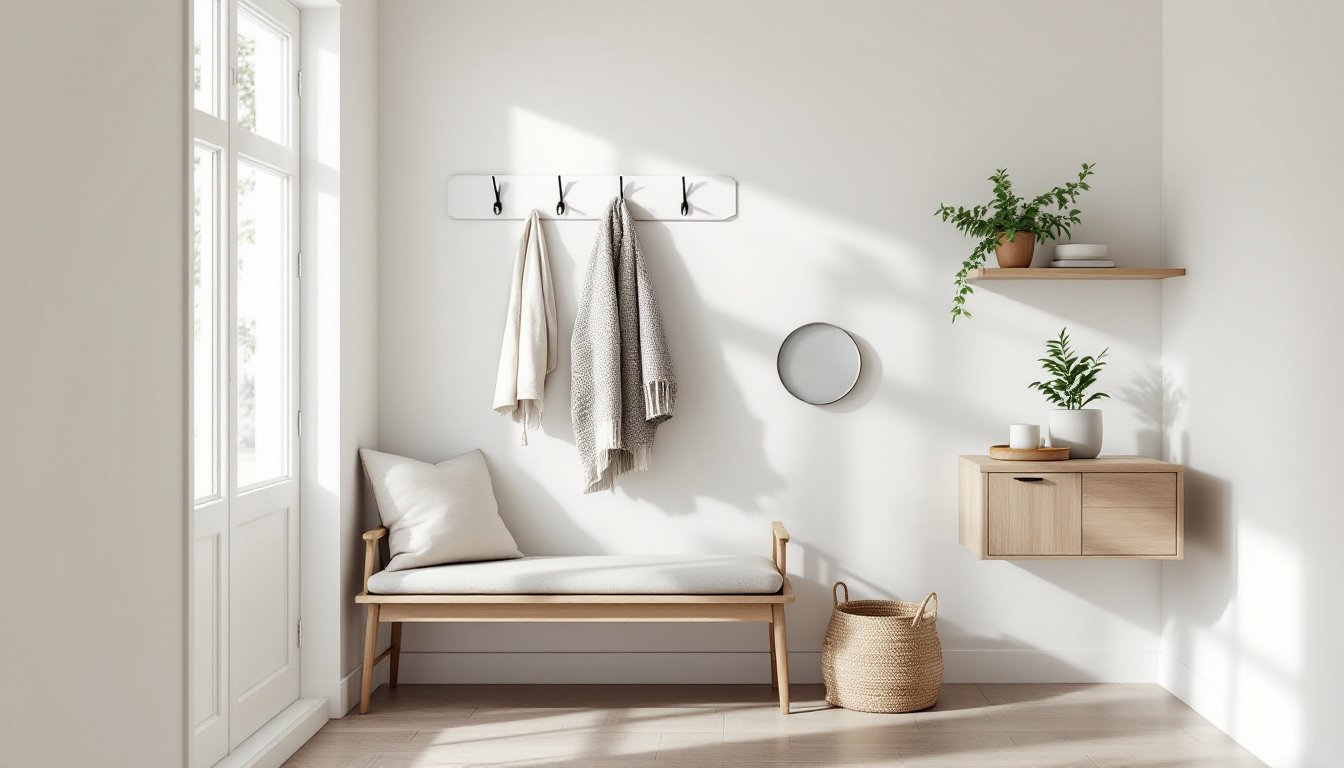
An entryway sets the tone for your entire home, yet many homeowners treat this zone as an afterthought, especially when square footage is tight. The truth is, a small entryway doesn’t have to feel cramped or chaotic. With the right furniture choices and smart layout decisions, even a narrow hallway or cramped foyer can become a welcoming, organized space. Small entryway furniture doesn’t mean sacrificing function or style: it means being intentional about what you bring in and how you arrange it. This guide walks you through practical pieces, storage solutions, and layout strategies that work in tight spaces.
Table of Contents
ToggleKey Takeaways
- Small entryway furniture must be intentional and multi-functional, with pieces sized appropriately (benches 18–24 inches wide, consoles 8–12 inches deep) to prevent blocking foot traffic while maximizing usable space.
- Vertical storage solutions—wall-mounted hooks, floating shelves, and tall narrow racks—make compact entryways feel larger while keeping shoes, coats, and seasonal items organized and accessible.
- Strategic placement is critical: position benches perpendicular to doors, console tables against walls, and group related items together to maintain clear traffic flow and prevent the entryway from feeling cramped.
- Small entryway furniture with exposed legs and lightweight materials (glass, metal, or open shelving) visually expand tight spaces compared to heavy, skirted pieces that make rooms feel smaller.
- Measure your doorway and identify traffic patterns before purchasing; small entryway furniture should maintain at least 30 inches of clear walkway to keep the space functional and welcoming for guests.
Why Entryway Furniture Matters for Small Spaces
Your entryway is the first place you and your guests spend time in your home, and it’s also where life’s daily chaos tends to pile up, shoes, coats, bags, keys, mail. Without proper furniture, these items end up scattered across the floor or shoved into closets, making the space feel disorganized and cramped.
In a small entryway, the right furniture serves multiple functions: it catches clutter before it spreads deeper into the home, creates a visual transition between outside and inside, and establishes your home’s personality. A well-designed entryway, even a tiny one, makes you feel more in control. It also makes guests feel welcomed rather than awkwardly standing in a bottleneck.
The challenge with small spaces is that every piece needs to earn its place. Oversized coat racks, bulky console tables, and unnecessary benches quickly overwhelm a narrow hall or compact foyer. Strategic small entryway furniture, by contrast, fits proportionally and serves clear purposes, hanging coats, storing shoes, holding mail, providing a place to sit while tying shoes. This is where thoughtful selection and placement matter most.
Must-Have Furniture Pieces for Tight Entryways
Slim Benches and Compact Seating
A small bench is one of the most practical additions to any entryway. It gives you a spot to sit while removing shoes, provides a visual anchor, and often includes hidden storage underneath. Look for benches that are 18–24 inches wide and 16–18 inches deep, narrow enough not to block foot traffic in a tight hallway, but deep enough to sit comfortably.
Wall-mounted benches or floating benches save even more floor space, as they don’t need legs and allow you to see the floor underneath, making the entryway feel larger. If you want a more furnished look without the bulk, a simple wooden bench with a cushion works well: many DIYers build basic benches from 2x4s and plywood (check free DIY furniture plans for beginner-friendly designs).
For entryways so tight that even a 24-inch bench doesn’t fit, consider a compact storage ottoman, a small cushioned cube that stores items inside and doubles as a seat. Measure your doorway width before purchasing: the furniture should allow at least 30 inches of clear walkway.
Narrow Console Tables and Wall-Mounted Options
A narrow console table works beautifully in small entryways because it provides a landing spot for keys, mail, and a decorative piece or two without taking up much floor space. Aim for tables that are 8–12 inches deep and 30–36 inches wide, wide enough to be functional, but shallow enough not to stick into the middle of the space.
Wall-mounted shelves or floating consoles are ideal if floor space is extremely limited. These range from simple wooden shelves to glass or metal brackets, and they’re often easier to install than they look. A 24-inch floating shelf with hidden brackets can hold keys, a small tray for mail, and room for one or two decorative items.
Angle-arm organizers mounted on the wall can hang hats, scarves, and small bags while taking almost no floor space. Retailers and design sites like Apartment Therapy often feature creative small-space solutions using vertical storage instead of floor pieces, which is exactly the right approach for tight entryways.
Smart Storage Solutions That Maximize Space
Storage is the backbone of a functional small entryway. Without it, shoes, coats, and seasonal items multiply and create clutter. The trick is choosing storage that’s proportional to your space and accessible, if items are hard to reach or store, they’ll end up on the floor or hung on doorknobs.
Vertical shoe storage is a must if you have a narrow entryway. A slim shoe rack that fits beside the door or in a corner takes up less than 2 square feet of floor space but can hold 6–12 pairs. Over-the-door shoe organizers work too, though they can make a door swing awkwardly: measure clearance before installing.
Wall hooks and coat racks should be your first instinct for hanging jackets and bags. A 36-inch-wide wooden coat rack with 4–5 hooks is standard and fits most entryway spaces. If you want something thinner, wall-mounted hooks (individual or in a row) take up almost no visual space and cost less. Mount hooks at 60–65 inches from the floor so coats don’t drag on the ground.
Narrow baskets or cubbies under a bench or along the wall store gloves, scarves, and seasonal items out of sight but easy to grab. Woven or metal baskets labeled by item (winter, accessories, kids’ gear) help everyone in the household know where things belong.
A small entryway cabinet or armoire with closed doors works if you have a bit more floor space. It hides clutter, creates a finished look, and provides more storage than open shelving. Look for a 20–24-inch-wide cabinet to keep the footprint manageable. Some homeowners even use a narrow kitchen pantry cabinet repurposed as entryway storage, check budget home renovation ideas for creative secondhand finds and repurposing tips.
Layout and Arrangement Tips for Small Entryways
How you arrange small entryway furniture makes all the difference between a functional zone and an obstacle course. Start by identifying your traffic patterns: which direction does foot traffic flow? Does the door swing inward or outward? Are there stairs, a hallway, or another room beyond?
Furniture placement should never block doors or create tight corners. Position the bench perpendicular to the door (along a side wall, if possible) rather than directly in the path. Console tables work best against the longest wall, leaving the center clear. This keeps the space feeling open and prevents the entryway from becoming a bottleneck.
Think vertical, not horizontal. Wall hooks, floating shelves, and tall narrow storage racks pull your eye upward and make compact spaces feel larger. A coat rack that’s tall and narrow (36–40 inches wide, 72 inches tall) takes less horizontal space than a wide, squat piece.
Group related items together. Shoes near the bench, coats on hooks above, mail in a shallow tray on a console, this logical arrangement keeps the space from looking scattered and helps everyone in your household know where to put things. Avoid spreading storage across the entire entryway: consolidate it in one or two zones.
Use the corner. Many small entryways have wasted corner space. A tall, slim corner shelf unit, a corner shoe rack, or even stacked baskets in a corner make excellent use of otherwise dead space and keep the main flow clear.
Keep it light and airy. Choose furniture with legs rather than skirted bases, you can see the floor underneath, which makes the space feel bigger. Glass or metal accents feel less heavy than solid wood in a small area. Avoid overstuffing: just because you have hooks or shelves doesn’t mean you need to fill them.
Conclusion
A small entryway doesn’t need to be a cluttered catch-all or a dead zone. With intentional furniture choices, slim benches, narrow consoles, smart vertical storage, and thoughtful layout, you can transform even the tightest space into an organized, welcoming entry. Start by measuring your space carefully, choosing one or two key pieces that fit your lifestyle, and building storage around your actual needs rather than what looks good in a showroom. The result is an entryway that works hard and looks sharp.