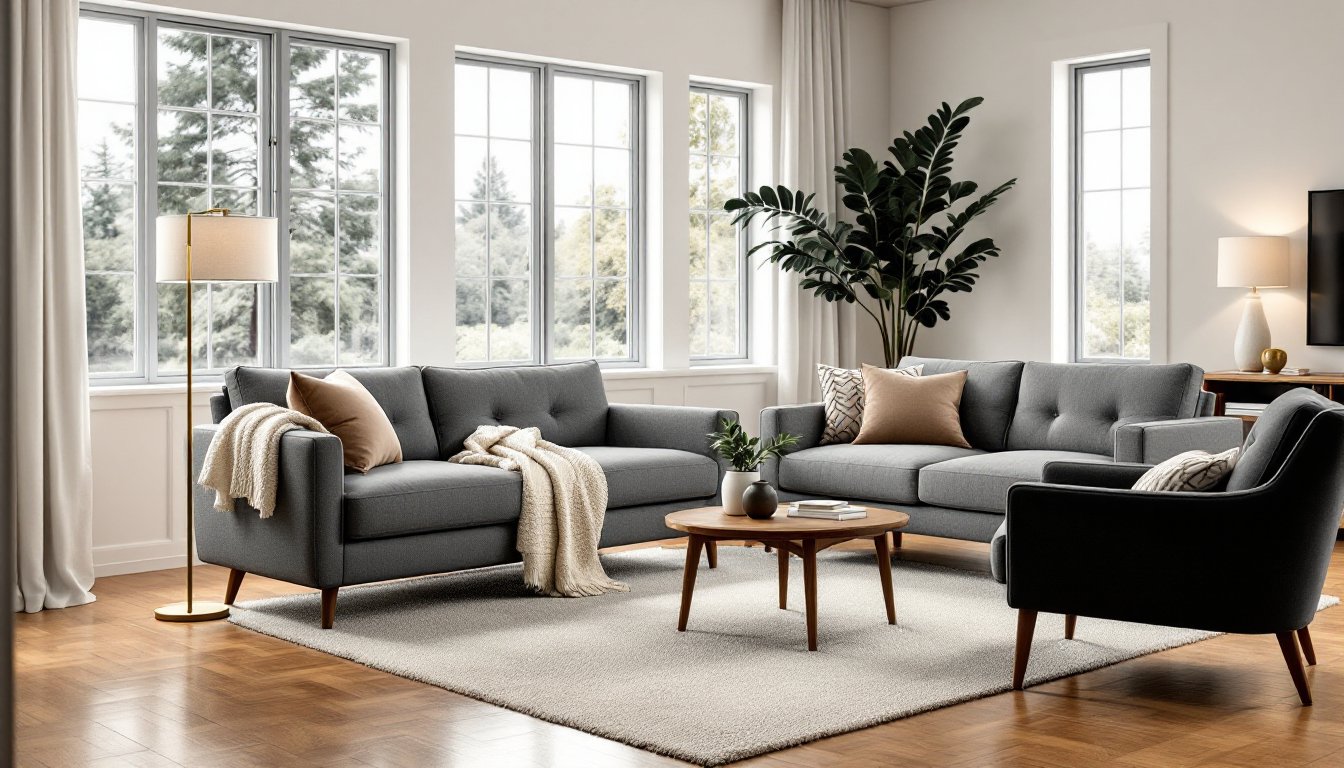
A solid 3 piece living room furniture set forms the backbone of any comfortable seating zone. Whether you’re furnishing a first apartment, updating a tired living room, or maximizing a small space, understanding what these sets offer, and how to choose wisely, saves time, money, and regret. This guide walks you through configurations, measurements, materials, and real-world considerations so you can pick a set that fits your space, budget, and lifestyle without overcomplicating the decision.
Table of Contents
ToggleKey Takeaways
- A 3 piece living room furniture set typically includes a sofa, loveseat, and accent chair that arrive as a coordinated bundle, removing the guesswork of mixing individual pieces.
- Measuring doorways, wall lengths, ceiling height, and traffic flow before purchase prevents costly delivery mistakes and ensures the set fits comfortably in your space.
- Mid-range 3 piece sets ($1,500–$2,500) with kiln-dried hardwood frames and eight-way hand-tied springs offer the best balance between durability and affordability.
- Performance fabrics and higher fabric weights (14+ oz/yd) resist staining and pilling better than budget microfiber, making them worthwhile investments for high-traffic homes with pets or children.
- Strategic styling with throw pillows, area rugs, layered lighting, and coordinated legs and finishes transforms a 3 piece living room furniture set into a curated, inviting seating zone.
What Is a 3 Piece Living Room Furniture Set?
A 3 piece living room furniture set typically consists of a sofa, loveseat, and accent chair, though some retailers bundle a sofa, two chairs, or a sectional variant instead. The idea is straightforward: matched upholstery, legs, and design create cohesion without you hunting down individual pieces that coordinate. Most sets ship together, arrive within a reasonable timeframe, and come with coordinated fabric or leather that’s already been tested for durability and color consistency.
These sets work because they remove the guesswork. Instead of spending weeks comparing seating depths, fabric dyes, and frame construction across ten different manufacturers, you get a curated combination. The downside is less flexibility, if you love the sofa but dislike the chair, you’re stuck buying separately or settling. Still, for renters, budget shoppers, and anyone wanting quick, coordinated results, a bundled set delivers.
Essential Styles and Configurations
3 piece sets come in distinct flavors. A traditional sofa + loveseat + chair combo suits living rooms with clear sight lines and elbow room. This layout works well in rectangular spaces where seating faces a TV or focal point. Modern 3 piece sets sometimes swap the loveseat for a chaise lounge or ottoman, giving you flexibility for napping, lounging, or extra legroom.
Sectional-based sets blend a small sectional with one or two accent chairs, ideal for L-shaped rooms or when you want deep, sprawling seating. Modular 3 piece sets feature detachable cushions or backs, letting you rearrange pieces as your room or mood evolves.
For style, you’ll encounter clean-lined contemporary sets, rolled-arm transitional designs (the “safe middle ground”), mid-century modern silhouettes with tapered legs, and traditional pieces with tufting or nailhead trim. Your room’s existing finishes, flooring, wall color, window treatments, should steer your choice. A set with warm wood legs fits naturally in a room with hardwood floors: a sleek modern set in a loft with concrete might clash.
How to Choose the Right Set for Your Space
Measuring and Planning Your Layout
Before browsing a single sofa, measure your room carefully. You’ll need door and hallway widths to confirm pieces fit through on delivery day, many sofas are 84–96 inches long and won’t squeeze through a 30-inch doorway. Measure wall length where the sofa will sit, leaving 12–18 inches of wall on each side to avoid a cramped, built-in feeling.
Note window placement, radiators, outlets, and light switches so the set doesn’t block a window or force cords across walkways. A quick floor plan sketch, drawn to scale or snapped on graph paper, prevents costly mistakes. Grab a measuring tape, include ceiling height, and don’t rely on memory or guesses.
Consider traffic flow. Furniture should create a conversation zone without forcing people to squeeze past chairs to reach the kitchen or hallway. If your living room is under 200 square feet, a full 3 piece set may feel cramped: a loveseat + two chairs or a smaller sectional might suit better. Research shows that small space living ideas benefit from intentional furniture placement, which applies even to sets that seem like the obvious choice at first glance.
Seat depth and arm height matter too. Standard sofas have 30–34 inches of seat depth: if you’re tall or love to recline fully, a deeper sofa (35+ inches) keeps your legs from dangling. Arm heights vary: lower arms (24 inches) feel modern and open: higher arms (26–30 inches) offer more support but can block sightlines if your room is small.
Don’t assume all sets are the same size. A “sofa” in one line might be 84 inches, while another brand’s “sofa” is 96 inches. Always check manufacturer specs, not labels.
Budget and Quality Considerations
3 piece sets range from under $800 for particle-board frames and budget fabric to $4,000+ for solid hardwood and performance upholstery. A mid-range set ($1,500–$2,500) often strikes the best balance: kiln-dried hardwood frames, eight-way hand-tied springs or a quality coil system, and durable, stain-resistant fabrics like microfiber or performance blends.
Budget sets use stapled frames and thin padding, comfortable for a year or two but prone to sagging. High-end sets invest in hardwood that won’t warp, suspension systems tested for decades of use, and fabrics rated for commercial wear. If you have pets, young kids, or plan to keep the set 10+ years, spending more upfront saves replacement costs.
Check the warranty. Reputable manufacturers offer 1–5 year structural warranties: anything less signals corner-cutting. Some brands include stain-protection treatments: others charge extra or require you to apply a spray like Scotchgard yourself. Ask whether legs, cushions, and slipcovers are replaceable, reputable makers offer these as replacement parts so you’re not stuck with a worn set.
Sales and promotions happen, but don’t let a “limited-time” discount override your actual needs. A budget set on sale is still a budget set. Conversely, the most expensive option isn’t always the best fit for your space or lifestyle.
Popular Materials and Durability
Microfiber is the go-to for busy households: soft, affordable, and easy to clean. It resists pet claws reasonably well and hides fingerprints. The trade-off is durability, after 5–7 years in high-traffic use, pilling and wear spots appear. Performance fabrics (polyester blends labeled “performance” or “solution-dyed”) cost more but resist staining and maintain appearance longer: they’re worth the premium if spills are inevitable.
Leather and leather-look materials suit contemporary spaces and formal settings. Genuine leather ages beautifully but requires conditioning and is vulnerable to scratches from pets. Bonded leather (leather-like PVC on fabric backing) is cheaper but peels after a few years. Full-grain or top-grain leather lasts decades: corrected-grain or bonded leather lasts 3–5 years tops.
Linen and natural fibers feel luxe and breathe well but stain easily and wrinkle, they’re best for low-traffic living rooms or households without kids or pets. Linen blends (80% linen, 20% synthetic) offer a compromise.
Fabric weight matters. Look for a “weight per yard” specification: higher weights (14+ oz/yd) resist pilling and wear better than lighter fabrics (8–10 oz/yd). Modern design trends often showcase contemporary furniture with thoughtful material selection, and the same principle applies when selecting upholstery for durability.
Frame construction is invisible but critical. Hardwood frames, kiln-dried beech, oak, or ash, resist warping and outlast particleboard by years. Suspension systems like eight-way hand-tied springs or sinuous springs with pocket coils provide support without bottoming out. Cheap sets use webbing and thin padding: your back will notice the difference within weeks.
Design Tips for Maximizing Impact
A cohesive living room starts with the furniture set itself, but styling multiplies its impact. Color and contrast matter: a neutral set (gray, beige, taupe) anchors the room, letting artwork, throws, and accent pillows shine. A bold-colored set (deep blue, burnt orange, sage green) becomes the statement piece, tone down wall colors and art accordingly to avoid visual chaos.
Legs and silhouettes set the mood. Wooden legs read warm and traditional: metal legs feel industrial or mid-century: low skirted bases suggest traditional or transitional style. Match your furniture’s legs to other wood tones in the room, coffee table, media console, side tables, for visual flow.
Scale and proportion prevent mistakes. A small loveseat with an oversized ottoman looks unbalanced: a low-profile modern set in a room with soaring 12-foot ceilings feels lost. Stick with what fits your room’s proportions.
Accessorize strategically. A few well-chosen throw pillows and a chunky knit blanket soften any set without clutter. Area rugs anchor seating zones and define the living room within an open-plan space. According to modern home decor inspiration resources, intentional styling transforms even basic furniture into a curated, cohesive space.
Lighting elevates the whole room. A floor lamp next to a chair and a side table lamp next to the loveseat create warm pools of light that make the seating area feel inviting. Overhead lights alone are harsh: layer your lighting for comfort and ambiance.
Don’t overthink it. A quality 3 piece set + a few personal touches often outshines a room crammed with trendy but mismatched pieces. Start simple, add over time, and adjust as your taste evolves.