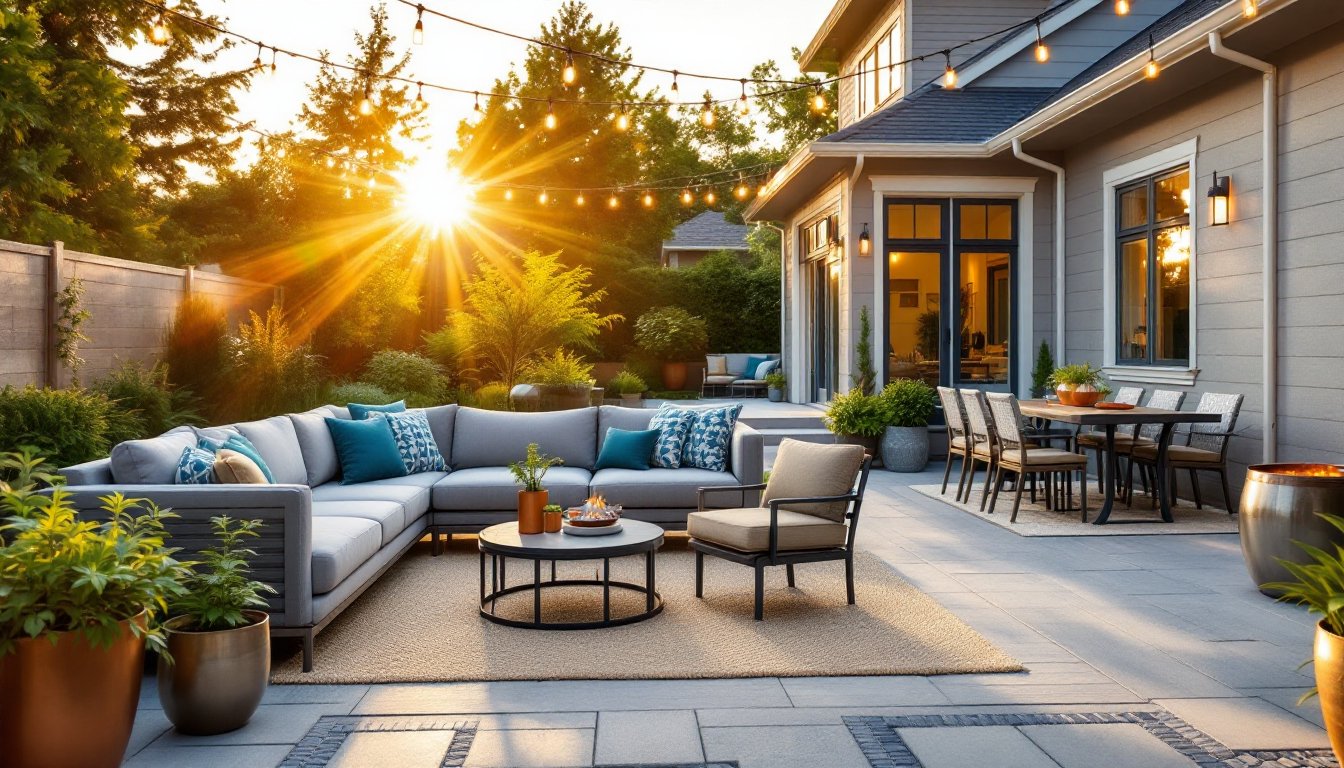
Gray patio furniture has become the go-to choice for homeowners who want a sophisticated outdoor living space without the maintenance headaches of lighter shades or the dark appearance of black pieces. It strikes the perfect balance: neutral enough to complement any design scheme, yet substantial enough to anchor a patio or deck visually. Whether you’re outfitting a small urban balcony or a sprawling backyard retreat, gray patio furniture offers versatility, durability, and a contemporary aesthetic that doesn’t feel trendy or fleeting. This guide walks you through everything you need to know to choose, style, and maintain gray outdoor pieces that will serve your home for years.
Table of Contents
ToggleKey Takeaways
- Gray patio furniture balances practicality and style by remaining neutral enough to complement any design while avoiding the maintenance issues of white or heat-retention problems of black pieces.
- Sectionals, dining sets, and coordinating pieces in gray provide visual anchoring for outdoor spaces without competing with accent colors, cushions, or plants.
- Material selection—including powder-coated aluminum, wrought iron, synthetic wicker, and sealed wood—determines durability and maintenance requirements, with solution-dyed fabrics offering superior fade and moisture resistance.
- Gray patio furniture pairs effortlessly with jewel tones, patterns, and textured layers through cushions and accessories, allowing you to refresh your outdoor design without replacing the base pieces.
- A simple monthly and seasonal maintenance routine—brushing debris, spot-cleaning, and inspecting frames—keeps gray outdoor furniture looking new and extends its lifespan for years.
Why Gray Patio Furniture Is the Perfect Choice for Modern Homes
Gray patio furniture works because it does the heavy lifting without demanding attention. Unlike white pieces that show dirt and require constant cleaning, or black furniture that absorbs heat and can look harsh in bright sunlight, gray sits comfortably in the middle, practical and polished simultaneously.
The neutral tone acts as a visual anchor for your outdoor space. It grounds brightly colored cushions, potted plants, and lighting fixtures without competing for attention. If you ever redecorate or refresh your patio’s color scheme, gray furniture remains relevant: it won’t clash with new pillows, rugs, or accent pieces. Homeowners working with limited outdoor square footage benefit particularly because gray doesn’t visually crowd a small deck or balcony the way darker furniture can.
Seasonal weather also favors gray. It doesn’t fade as visibly as lighter colors under intense UV exposure, and it doesn’t retain heat the way darker finishes do, a real advantage if you’re sitting on these pieces during a hot afternoon. Gray’s understated elegance also appeals to resale value: potential buyers see a neutral, well-maintained outdoor investment rather than a bold design choice that might not suit their taste.
Types of Gray Patio Furniture to Elevate Your Outdoor Design
Sectionals and Sofa Sets
Gray sectionals and sofas are workhorses for entertaining and relaxation. A modular sectional lets you configure the layout to fit your space, ideal if your patio has an irregular shape or you’re not sure yet how you’ll arrange things. Look for pieces with removable, washable cushion covers: they’ll save you money and hassle when spills happen. Sectional frames usually come in powder-coated aluminum, wrought iron, or synthetic wicker (often called resin wicker), each affecting both durability and weight. Aluminum is lightweight but can feel less sturdy underfoot: wrought iron is heavier and extremely durable but requires occasional maintenance to prevent rust at joints. Synthetic wicker blends aesthetics with low maintenance and works well in humid climates.
When shopping, verify that cushion foam is high-density (at least 4–5 inches) and check whether covers are solution-dyed (colorfast, UV-resistant) rather than painted. Cushions with solution-dyed fabric hold color better through seasons of sun exposure. A lounge sectional with a built-in ottoman or chaise extension adds flexibility: you can seat four people one way or create a sprawling recline zone.
Dining Tables and Chairs
Dining sets anchor your entertaining space. Gray dining tables pair well with nearly any chair color or pattern, which means you can introduce visual interest through seating without the table competing. For a gray patio table, look at materials carefully: sealed wood (teak or acacia) provides warmth and texture: aluminum offers lightweight durability and minimal maintenance: and wrought iron brings timeless appeal but requires ongoing care. Table size matters, measure your patio and leave at least 18 inches on all sides for foot traffic and seating comfort.
Gray outdoor dining chairs come in three main styles. Slatted wood chairs (often with cushions in contrasting colors) offer traditional elegance. Metal frame chairs with fabric or mesh seats provide modern simplicity and easy cleaning. Woven resin chairs blend appearance with durability and perform exceptionally well in damp environments. A practical mix often works best: gray chairs with colored cushions keep the table visually calm while the seating adds personality. Always check chair seat depth and back height, some outdoor chairs sacrifice comfort for looks. Arm height matters too: it should allow easy movement at a dining table without feeling cramped.
Materials That Matter: Selecting Durable Gray Outdoor Furniture
The material you choose determines how much work your furniture demands and how many seasons it’ll last. Powder-coated aluminum is lightweight and rust-resistant, making it ideal for coastal or humid regions. The finish is durable but can chip if bumped repeatedly: look for pieces with sealed joints. Wrought iron delivers heft and permanence: it’s nearly indestructible but needs annual inspection for rust spots at welds and connections. A fresh coat of rust-inhibiting primer keeps it in shape for decades.
Synthetic resin wicker (polyethylene or polyrattan) mimics natural wicker without the fragility. It won’t splinter, rot, or unravel, and it tolerates salt spray and wet climates beautifully. Frames are usually aluminum underneath, so you’re getting the best of both worlds, aesthetic appeal with practical durability.
Teak and acacia wood bring warmth and character but require annual sealing to prevent graying and weathering. These hardwoods are naturally rot-resistant, which is why they’re popular for outdoor use, but they still benefit from occasional maintenance. If you prefer a hands-off approach, sealed wood isn’t your answer.
Cushion materials matter as much as the frame. Look for solution-dyed acrylic or polyester fabric: these resist fading and moisture better than other textiles. Foam cores should be wrapped in mildew-resistant covers and stored or protected during heavy rain or winter. If storage space is limited, consider furniture with quick-dry or performance fabrics designed to shed water rapidly and resist staining. Prices vary widely based on material grade, expect to pay more upfront for proven durability, but it saves money on replacements and repairs.
How to Style and Coordinate Gray Patio Furniture With Your Decor
Gray is a blank canvas, and that’s its greatest strength. Pairing it with your existing decor requires thinking about mood, color, and scale. If your home has warm tones, yellows, oranges, terra-cotta, gray furniture balances and grounds these energetic colors without dulling them. Cool-toned interiors (blues, purples, whites) create a serene, cohesive flow when extended outdoors with gray pieces.
Layering color through cushions and accessories keeps things fresh without a full furniture replacement. Jewel tones like emerald, sapphire, or deep burgundy add sophistication to gray seating: sunny yellows or coral bring casual vibrancy. Patterns work too, geometric prints, botanical designs, and even subtle stripes read as intentional on gray upholstery rather than chaotic. The key is restraint: choose two or three accent colors and repeat them across cushions, rugs, and potted plants so the eye moves naturally around the space.
Texture layers elevate a gray patio from basic to thoughtfully designed. A natural jute or sisal rug grounds the seating area: woven outdoor baskets for blankets or pillows add warmth: stone or gravel borders define the space. Metal accents, a wrought iron side table, a copper fire pit, or stainless steel planters, complement gray without looking cold or institutional. Lighting matters too: warm-toned string lights or lanterns soften gray’s neutral palette and extend usability into evening hours. Many homeowners find inspiration by browsing patio furniture collections and design ideas or checking design-forward retailers for current color combinations.
Care and Maintenance Tips to Keep Your Furniture Looking Like New
Maintenance frequency depends on your climate and material, but all outdoor furniture benefits from a simple routine. Monthly: Brush off debris with a soft-bristled brush and wipe frames with a damp cloth. For cushions, vacuum or shake them out to remove dust and allow air circulation, this prevents mildew, especially in humid regions.
Seasonally: Inspect frames for loose bolts or fittings and tighten as needed. Check cushion covers for stains and spot-clean with mild soap and water. If you’re using solution-dyed fabric, it resists most spills, but prompt attention prevents permanent staining. For wrought iron or wood pieces, look for rust spots or weathering and address them before they spread.
Annually: Deep-clean cushion covers if removable (hand-wash or gentle machine cycle): allow full air-dry before reattaching. Reseal wood furniture if it shows gray weathering on the surface, this prevents moisture penetration. For wrought iron, touch up any rust spots with rust-inhibiting primer and matching paint. Powder-coated aluminum rarely needs more than washing, but inspect seams and connection points.
Storage: If your region experiences harsh winters or extended rainy seasons, storing cushions indoors during off-season months dramatically extends their life. Even weather-resistant covers allow moisture to accumulate over months. Frame storage depends on material: aluminum and synthetic wicker tolerate outdoor storage: wood and wrought iron benefit from cover protection or garage storage during the heaviest weather. A breathable furniture cover (not plastic, which traps moisture) protects frames from UV damage and debris without creating a microclimate for mold.
Cleaning products matter. Use pH-neutral outdoor furniture cleaner rather than household detergents, which can leave residue or damage finishes. For tough stains on fabric, specialized outdoor upholstery cleaners work better than general methods. Avoid power washers on wicker or cushioned pieces, the force can degrade fibers and loosen seams. A soft-bristled brush and gentle hand scrubbing accomplish more without risk.
Creating Your Gray Patio Oasis
Gray patio furniture isn’t a compromise, it’s a thoughtful choice that prioritizes longevity, versatility, and understated style. By selecting materials suited to your climate, investing in quality cushions, and following a basic maintenance routine, you’ll create an outdoor space that looks polished and feels welcoming for years. Whether you’re starting fresh or refreshing an existing patio, gray serves as the perfect foundation for a personal outdoor retreat. Explore outdoor patio furniture options and Southern Living’s outdoor living inspiration for curated selections and design ideas that complement your gray pieces and your home’s unique character.