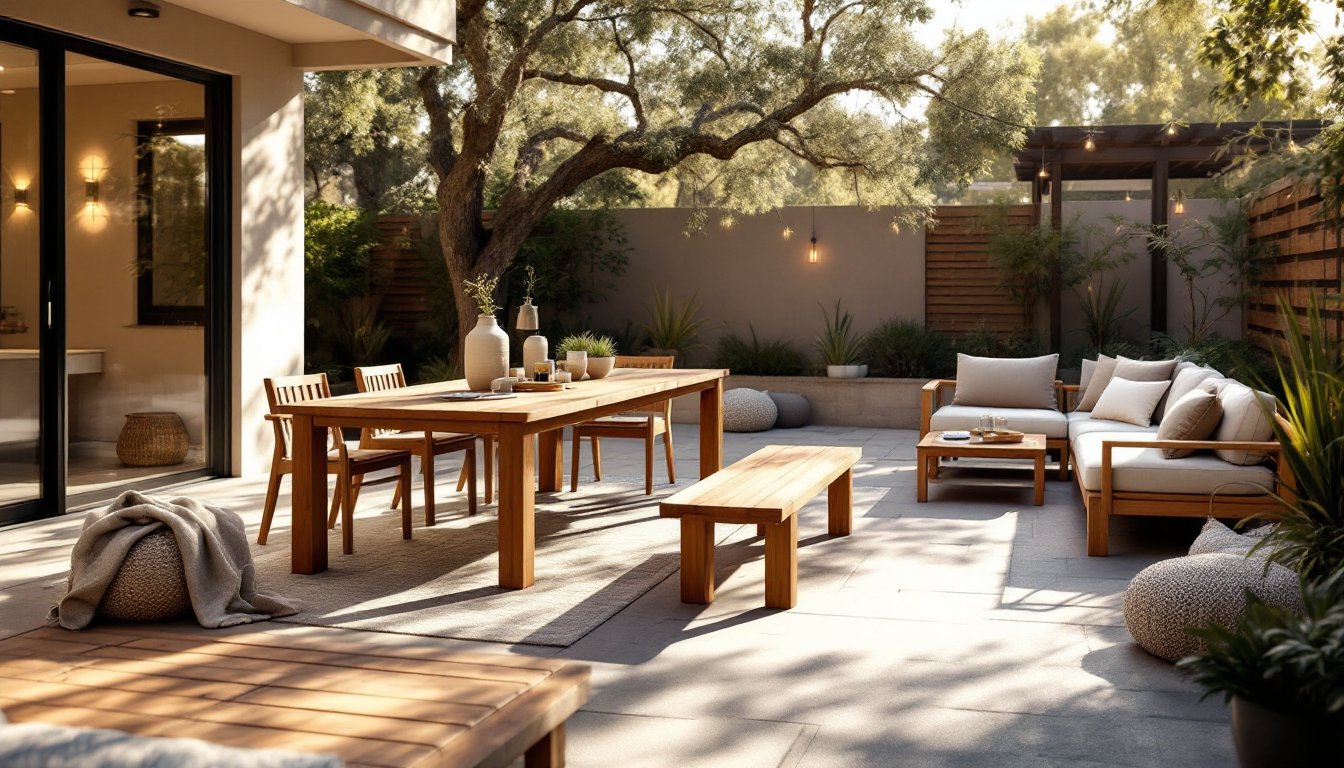
Acacia wood has become a go-to choice for outdoor furniture, and for good reason. It’s naturally rot-resistant, weathers beautifully over time, and stands up to the elements without very costly like teak does. Whether you’re furnishing a small balcony or an entire backyard oasis, acacia patio furniture offers practical durability wrapped in genuine wood charm. This guide walks you through what makes acacia special, the types worth considering, how to keep it looking solid for years, and design ideas that actually work with real yards, not just magazine spreads.
Table of Contents
ToggleKey Takeaways
- Acacia patio furniture offers the ideal balance of durability and affordability, naturally resisting rot and weather while costing significantly less than teak alternatives.
- New acacia furniture requires prompt sealing with teak oil or exterior hardwood sealer within the first month to preserve its honey-golden tone and prevent weathering.
- Regular maintenance including seasonal rinsing, tightening hardware every 6–12 months, and using breathable covers extends acacia patio furniture lifespan to 10–15 years or longer.
- Acacia wood’s natural warmth and grain work seamlessly across multiple design styles, from farmhouse and coastal to modern and minimalist aesthetics.
- Layering accessories like outdoor rugs, throw pillows, and ambient lighting transforms acacia patio furniture into an inviting outdoor living space that ages beautifully.
What Makes Acacia Wood Ideal for Outdoor Furniture
Acacia is a hardwood native to Australia and Africa, and it’s packed with natural oils that fight off rot, insects, and weather damage. Unlike softer woods (think pine or spruce), acacia won’t deteriorate quickly when exposed to rain, sun, and temperature swings. The wood’s tight grain structure means it resists moisture absorption better than many alternatives, which translates to less warping and cracking over time.
Density matters in outdoor furniture, and acacia delivers. It’s significantly denser than cedar or redwood, yet still light enough to move a chair or table without throwing your back out. That density also means the wood takes a finish beautifully, oils, sealers, and stains adhere well and last longer.
Cost-wise, acacia sits in the sweet spot. It’s cheaper than teak (which can run two to three times the price) but more durable than budget composite options that degrade in five years. A quality acacia dining table or seating group will realistically last 10–15 years with basic maintenance, sometimes longer if you’re diligent.
Types of Acacia Patio Furniture to Transform Your Outdoor Space
Acacia furniture comes in enough variety to fit nearly any outdoor setup. Understanding the main categories helps you plan a cohesive seating and dining arrangement.
Dining Sets and Conversation Pieces
Acacia dining tables are the workhorses of outdoor entertaining. Most solid acacia dining tables run 36–42 inches wide and 72–108 inches long, with apron depths of 12–14 inches. This accounts for nominal vs. actual lumber sizing: a table labeled 2×12 is actually about 1.5 inches thick. Pedestals and trestle bases (rather than four legs) offer more legroom and work well in smaller yards. Many solid acacia outdoor rectangular dining tables are inspired by midcentury and farmhouse silhouettes, which pair surprisingly well with modern or coastal decor.
Conversation sets, those four-piece groupings with a small table and two or three chairs, are ideal if your patio is modest or you want a cozy nook. Acacia’s warmth works beautifully in this setup: you get real wood character without the maintenance headaches of teak.
Loungers, Benches, and Accent Seating
Chaise loungers in acacia are heavier than aluminum alternatives but worth it for the solid, grounded feel. Look for adjustable backrests with gas struts or multiple notch positions, these extend the lounger’s lifespan because you’re not forcing the back to flex constantly. Standard loungers are 27 inches wide and 78–80 inches long: measure your space first.
Benches (without a back) are underrated accent pieces. They tuck under overhangs, pair well with rectangular tables, and create flexible seating for casual gatherings. Acacia benches don’t rot like softwood benches do after a few seasons, and they age gracefully. A backless bench is also simpler to refinish down the road if needed.
Essential Care and Maintenance Tips for Longevity
New acacia furniture comes raw (untreated) or pre-finished. Raw acacia will gray naturally over time, some folks love the driftwood look, others seal it to preserve the honey-golden tone.
Initial Treatment: If your set arrived raw, apply a teak oil or exterior hardwood sealer within the first month. Use a soft-bristle brush or lint-free cloth, work along the grain, and apply in thin coats. Let it dry 24–48 hours between coats. Two coats provide baseline protection: three coats (especially on horizontal surfaces like tabletops) deliver better longevity.
Seasonal Cleaning: Rinse furniture with a garden hose in spring and fall. For stubborn mildew or algae, use a 1:1 white vinegar and water solution on a soft brush, avoid pressure washers, which can raise the grain and damage delicate joints. Dry with a microfiber cloth to prevent water spots.
Covers and Storage: Invest in breathable furniture covers (not vinyl, which traps moisture). Store pieces under an eave or in a covered structure during heavy rain or snow. Acacia is resilient, but moving it out of the worst weather extends its life considerably. If you live in a harsh climate (coastal salt spray, heavy freeze-thaw cycles), covers are non-negotiable.
Tightening Hardware: Bolts and screws loosen with vibration and temperature changes. Check every 6–12 months and tighten as needed. Use stainless steel or coated hardware replacements: regular steel will rust and stain the wood.
Design Ideas for Styling Your Acacia Patio
Acacia’s natural warmth pairs well with multiple design directions, so you’re not locked into one aesthetic.
Farmhouse and Rustic: Acacia’s organic grain and honey tones align perfectly with farmhouse style. Think long wooden tables, simple cross-brace benches, and layered textiles, think linen cushions, woven poufs, and a mix of throw pillows. Country Living frequently features rustic outdoor setups that showcase wood furniture aged gracefully over seasons.
Modern and Minimal: Don’t shy away from pairing acacia with metal frames or concrete planters. A sleek acacia table with minimalist chairs and a simple color palette (whites, grays, blacks) feels contemporary, not dated. Acacia’s grain adds organic warmth without clashing.
Coastal and Mediterranean: Light acacia (especially pieces that have grayed naturally) reads as breezy and relaxed. Layer in whitewashed or weathered accessories, linen cushions in soft blues and taupes, and lantern-style lighting. This works particularly well if your home is near water or in a warm climate.
Layered Approach: Whatever direction you choose, add depth with accessories, outdoor rugs (a low-pile natural fiber rug grounds a seating area), throw blankets, and ambient lighting like string lights or solar lanterns. Southern Living often highlights how layering transforms a basic patio into an inviting outdoor room. Acacia furniture serves as the anchor: accessories set the tone.
Conclusion
Acacia patio furniture delivers honest durability and real wood beauty without the premium price tag of teak. It’s forgiving enough for casual homeowners yet substantial enough for those who want furniture that ages well. Choose pieces that fit your space and climate, seal new wood promptly, and refresh finishes every few years. Done right, your acacia setup will anchor your outdoor living area for a decade or more, and look better with age.