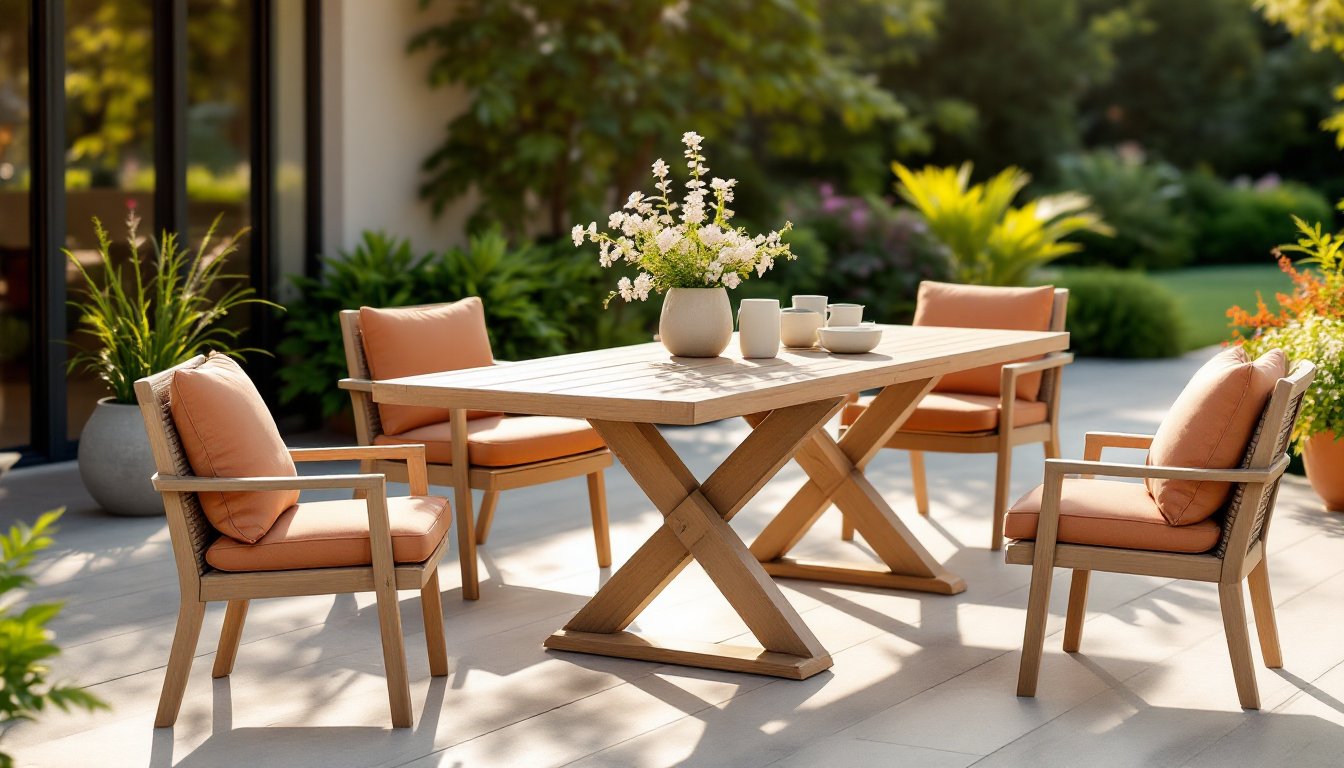
A patio dining set anchors your outdoor living space, it’s where memories happen, from weekend breakfasts to summer dinners with friends. But choosing the right patio dining set isn’t just about picking something that looks good: it’s about finding furniture that balances durability, style, and practicality for your specific climate and space. With so many material options, sizes, and design aesthetics available today, homeowners need to understand what actually works before investing in a set they’ll use for years to come.
Table of Contents
ToggleKey Takeaways
- A dining set patio furniture anchors your outdoor living space and should balance durability, style, and practicality for your climate and specific needs.
- Material choice is critical: teak wood lasts 15+ years with minimal care, aluminum suits coastal climates, and resin wicker offers low-maintenance durability without rotting.
- Proper sizing prevents awkward layouts; allow at least 36 inches of clearance on all sides, and choose table dimensions (36×54 for 4-person, 36×72 for 6-person) based on your patio size and entertaining frequency.
- Match your dining set’s design style to your home’s architecture—modern sets feature clean lines, traditional sets emphasize ornamental details, and transitional designs blend both for versatility.
- Basic seasonal maintenance like weekly cleaning, annual wood oiling, and winter storage in freeze-thaw climates significantly extends your patio dining set’s lifespan and appearance.
- Invest in a quality dining set as a centerpiece for outdoor entertaining, as research shows outdoor gatherings strengthen family bonds and community connections.
Why Patio Dining Sets Matter for Your Outdoor Living
A patio dining set is more than furniture, it’s the centerpiece of your outdoor entertaining space. It defines how you use your yard, whether that’s casual family meals, formal gatherings, or quiet mornings with coffee. The right set turns a bare patio into a functional outdoor room that extends your living space beyond four walls.
When you choose thoughtfully, you’re investing in durability and comfort. A well-selected dining set handles weather exposure, regular use, and seasonal changes without deteriorating. It also sets the tone for your entire yard’s aesthetic, influencing landscaping choices, lighting, and decor around it.
Beyond function, outdoor dining creates an intentional gathering space. Research shows that outdoor entertaining strengthens family bonds and community connections. Your patio dining set facilitates those moments, whether it’s a weeknight family dinner or hosting neighbors for a summer cookout. Starting with the right foundation means you’ll actually use the space and enjoy it for a decade or more.
Materials That Last: Comparing Durability and Style Options
Weather-Resistant Metals and Woods
Material choice determines how long your patio dining set survives sun, rain, and temperature swings. The most common durable options each bring different strengths.
Teak wood is a premium choice that naturally resists rot and insect damage thanks to its high oil content. It weathers to a soft silver-gray over time, which many homeowners find elegant. Teak requires occasional oiling to maintain color, but it’s genuinely low-maintenance compared to other hardwoods. A teak dining set costs more upfront but lasts 15+ years with minimal intervention.
Aluminum is lightweight and rust-resistant, making it ideal for humid or coastal climates. It won’t rot or splinter, and it’s easy to clean. Aluminum frames are often paired with weather-resistant cushions and slings. The downside: it can feel less substantial than wood, and cheap aluminum bends more easily. Look for powder-coated aluminum that’s rated for UV exposure, this protects against fading.
Steel with powder coating offers durability and a heavier, more traditional feel. Wrought iron or steel dining sets have a timeless aesthetic. But, any scratch that penetrates the coating can rust, so inspect finishes carefully before purchase. Steel sets work best in dry climates or with a seasonal cover.
Resin wicker (synthetic) wrapped around aluminum or steel frames mimics the look of natural wicker without rotting. It resists fading better than untreated natural wicker and won’t splinter or crack in temperature swings. This is a practical choice for high-traffic patios. Natural wicker is beautiful but requires more maintenance and doesn’t handle weather as well, reserve it for covered patios.
Composite decking materials are now appearing in patio furniture. They’re durable, low-maintenance, and often made from recycled content. They resist warping and won’t need refinishing. Cost falls between traditional wood and high-end teak.
When comparing materials, consider your climate. Coastal regions need superior corrosion resistance (aluminum or teak). Hot, dry climates suit any material but demand UV-protective finishes. Humid zones need rot-resistant options. Top-rated sets on Southern Living’s best outdoor dining sets showcase how different materials perform across real conditions.
Sizing and Layout: Finding the Right Fit for Your Space
Choosing the right size prevents a cramped patio or a table that dominates the space awkwardly. Start by measuring your patio length and width. A standard dining table needs at least 36 inches of clearance on all sides for chair pull-out and foot traffic. If your patio is narrow, a 36-inch-wide table works: for wider spaces, 42-inch tables feel more balanced.
Table length depends on seating capacity and visual proportion. A 4-person table runs roughly 36 × 54 inches. A 6-person table is typically 36 × 72 inches. An 8-person table reaches 36 × 96 inches or larger. If you entertain frequently, don’t underestimate, a bigger table with a few empty seats feels better than guests squeezed together.
Consider whether you need an extendable table. Many dining sets offer removable leaves that add 12 to 24 inches when needed. This flexibility is smart if you host varying group sizes. Just be sure stored leaves stay dry and safe.
Chair height matters too. Chairs should sit roughly 10 to 12 inches lower than the tabletop. Standard dining chairs are 18 inches tall: benches run 16 to 18 inches. Test the proportion when possible before buying online. Stools or counter-height seating don’t work for standard dining tables, save those for bar-height outdoor kitchen counters.
For narrow balconies or compact patios, bistro sets (small round tables for 2–4 people) or drop-leaf tables maximize functionality without waste. Gallery images at Gardenista’s 10 Easy Pieces outdoor dining tables show how different sizes adapt to various yard layouts.
Design Styles to Match Your Home Aesthetic
Modern, Traditional, and Transitional Looks
Your patio dining set should feel like an extension of your home’s style, not a disconnected afterthought. Design cohesion makes outdoor spaces feel intentional and inviting.
Modern designs emphasize clean lines, minimalist frames, and neutral colors. Look for slat-top tables (wood or composite), slatted chairs, and geometric metal bases. Materials like teak, composite, or powder-coated aluminum suit modern aesthetics. Colors stay within black, white, gray, natural wood tones, and accent colors like charcoal or deep blue. Modern dining sets work well on contemporary homes, industrial spaces, or minimalist yards.
Traditional styles favor classic proportions, ornamental details, and established materials. Wrought iron with curved arms, pedestal tables, and decorative scroll work fit traditional homes. Wicker cushions, striped fabrics, and warm wood finishes evoke timeless elegance. Teak wood or classic cast aluminum appeal to traditional homeowners. These sets suit older homes, colonial architecture, or formal garden settings.
Transitional designs blend modern simplicity with classic comfort. You’ll see Shaker-inspired slats, mixed materials (wood with metal frames), and neutral cushion fabrics. Transitional sets are versatile, they work with many home styles and feel current without being trendy. This middle ground suits most homeowners who don’t commit fully to one aesthetic.
Mediterranean and coastal styles emphasize natural materials, warm colors, and relaxed proportions. Teak, rattan, and weathered finishes are common. Blues, terracottas, and sandy neutrals dominate. These sets feel vacation-like and suit beach-area or warm-climate homes.
When selecting style, walk around your home exterior. Notice your siding color, deck material, landscaping, and existing hardscape. Does your home lean formal or casual? Are your architectural lines clean or ornate? Your dining set should answer these questions. Browsing 75 Outdoor Dining Set Ideas on Houzz shows how professional designers match sets to home styles, use it as a visual reference before committing to a purchase.
Maintenance Tips to Keep Your Dining Set Looking New
A quality patio dining set requires basic seasonal care to remain functional and attractive. Neglecting maintenance cuts lifespan significantly.
Regular cleaning is your first line of defense. After each use or weekly, wipe down surfaces with mild soapy water and a soft brush. This removes pollen, dust, and spill residue before they become stains. For stubborn spots, use a soft-bristle deck brush, never pressure wash, which can damage finishes and drive water into joints.
Wood care varies by type. Teak weathers naturally but benefits from occasional (annual or bi-annual) oiling with marine-grade teak oil to restore color and protect grain. Other hardwoods may need exterior wood sealant every 1–2 years, depending on climate exposure. Cedar and pine degrade faster than teak unless sealed regularly.
Metal maintenance means inspecting for corrosion. Powder-coated aluminum rarely needs more than cleaning, but wrought iron or steel should be checked for chips or rust spots. If you find rust, use a wire brush to remove it, touch up with outdoor metal paint, and wipe dry immediately after weather exposure. Use furniture covers in off-season or harsh weather.
Cushion care extends fabric life. Remove cushions during heavy rain or extended wet periods, trapped moisture promotes mildew. Store them in a breathable storage bag during winter or rainy seasons, not plastic, which traps moisture. Wash covers annually with mild soap and air-dry fully before use.
Seasonal storage matters in freeze-thaw climates. Water that seeps into joints and freezes can crack wood or warp frames. Cover exposed sets with a breathable furniture cover (not plastic) or store in a shed or garage during winter. Teak and aluminum handle outdoor storage better than steel or natural wicker.
A simple routine, rinse seasonally, address stains promptly, check hardware for tightness annually, preserves function and appearance for years. Most quality sets outlast poor maintenance habits, not the materials themselves.