Setting up a backyard that’s both functional and inviting doesn’t happen by accident. Ashley outdoor patio furniture has become a go-to choice for homeowners who want quality pieces without sacrificing style or durability. Whether you’re furnishing a small balcony or an expansive deck, Ashley offers collections that balance affordability with solid construction. This guide walks you through what makes these pieces work, how to pick the right collection for your space, and how to keep them looking good year after year.
Table of Contents
ToggleKey Takeaways
- Ashley outdoor patio furniture delivers quality and durability through weather-resistant materials like powder-coated aluminum and all-weather wicker without premium pricing, making it ideal for homeowners seeking long-lasting pieces.
- Modern and rustic collections from Ashley offer practical designs with realistic sizing and higher-density cushioning that won’t flatten, giving you comfort that lasts season after season.
- Proper space planning using actual measurements and consideration of sun exposure, traffic patterns, and entertaining habits ensures you select the right Ashley pieces for your specific outdoor needs.
- Solution-dyed polyester and acrylic fabrics on Ashley cushions resist fading and mildew better than standard materials, while synthetic wicker prevents cracking and water absorption common in natural materials.
- Seasonal cleaning, cushion rotation, frame maintenance, and proper winter storage add years to your Ashley outdoor patio furniture and keep it looking good year-round.
What Makes Ashley Outdoor Patio Furniture Stand Out
Ashley has built a reputation for delivering furniture that holds up to weather while avoiding the premium price tag of boutique outdoor brands. Their pieces use weather-resistant materials like powder-coated aluminum frames, all-weather wicker, and polyester fabrics designed to resist fading and mildew. What separates them from cheaper alternatives is the frame construction, most Ashley collections use reinforced joinery and proper weight distribution, so chairs don’t wobble and tables won’t collapse under regular use.
The brand’s design approach leans practical. You won’t find overly trendy pieces that’ll look dated in three seasons. Instead, Ashley focuses on silhouettes that work across decades of outdoor decor trends: clean lines for contemporary spaces, curved arms for traditional yards, and neutral color palettes that play well with most homes. Sizing is realistic too, they don’t skimp on seat depth or cushion thickness to save production costs, which matters when you’re actually sitting outside for hours.
Another strength is their cushion quality. Pre-filled outdoor cushions on budget furniture often flatten within a year, but Ashley’s cushioning holds up better because they use higher-density foam. That said, cushion covers should still be removed seasonally or stored during heavy rain to extend their lifespan.
Popular Ashley Patio Collections to Consider
Modern and Contemporary Designs
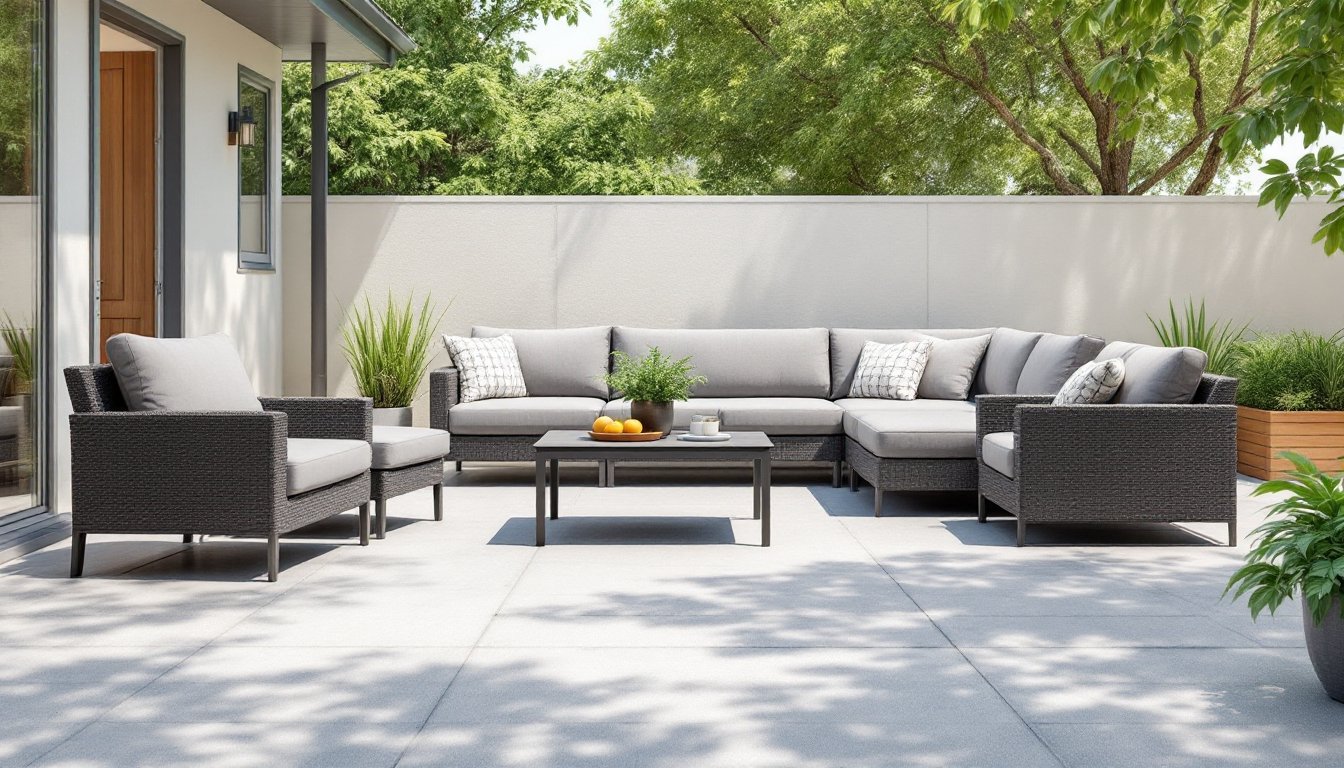
Ashley’s modern collections emphasize minimalist frames and geometric shapes. The use of clean angles, low-profile seating, and monochromatic cushions appeals to homeowners with current architectural styles. These pieces often pair aluminum or powder-coated steel frames with synthetic rattan or textured polyester upholstery. Collections in this category typically include sectionals, dining sets, and lounge chairs that work well on patios with concrete, composite decking, or modern landscaping.
One popular approach within modern collections is the metal-frame-with-woven-wicker combo. The aluminum keeps weight manageable (easier to rearrange), while the woven material adds visual warmth without requiring natural wood maintenance. Neutral grays, charcoals, and taupes dominate these lines, making them flexible for adding pops of color through throw pillows or umbrellas.
Rustic and Traditional Styles
For homes with farmhouse, cottage, or classic porch aesthetics, Ashley offers collections that emphasize wood-like finishes and more ornate framing. These pieces often feature curved arms, deeper seat backs, and cushions in patterns, plaids, stripes, and florals, that read more traditionally. The frames typically use wood-composite materials or powder-coated metals made to mimic aged finishes.
Rustic collections work best when you’re committed to seasonal maintenance. While the finishes are weather-resistant, wood-look materials benefit from periodic cleaning and occasional sealing to prevent moisture absorption. Many traditionalists appreciate the visual warmth of these pieces, even if they require slightly more attention than purely modern alternatives. Pairing them with vintage-style outdoor rugs or lantern lighting reinforces the aesthetic.
Choosing the Right Ashley Pieces for Your Outdoor Space
Start by measuring your actual space, not the dimensions from a diagram, but the real square footage where furniture will sit. A sectional looks sleek in photos but eats up space fast. On a 12-by-14-foot patio, a three-piece sectional plus a fire table leaves barely enough room to walk. Sketch it out on paper, or use painter’s tape on the ground to mark the footprint before ordering.
Consider traffic patterns and sun exposure too. If your patio is shaded most of the day, you have more cushion and fabric options since UV fade is less critical. Full-sun patios demand fade-resistant cushions: lighter colors show dirt less but fade faster, while darker colors show dust more but hold color better. It’s a tradeoff worth thinking through before your first purchase.
Think about your entertaining habits. Hosting large dinners calls for a dining set with expandable options: most Ashley dining tables offer extensions. For conversation-focused gatherings, a sectional or cluster of lounge chairs works better. If you entertain kids or pets, durable woven synthetics and removable, washable cushion covers are non-negotiable.
Budget matters, but spread the cost across several smaller pieces if necessary. A quality dining set plus basic lounge chairs beats an overstuffed sectional that strains the budget and dominates the space. Ashley’s modular approach lets you start small and expand later as needs shift.
Materials, Durability, and Weather Resistance
Ashley’s outdoor pieces rely on a handful of core materials, each with specific strengths. Aluminum frames are lightweight, rust-resistant, and ideal for climates with high humidity or coastal salt spray. They won’t rot like wood and require only occasional washing. Powder-coated finishes add a protective layer, but chips or scratches expose raw metal: touch-up paint from the manufacturer prevents corrosion in those spots.
All-weather wicker (synthetic rattan) resists cracking and splitting that natural rattan develops. It doesn’t absorb water, so it dries quickly after rain and resists mold growth. The trade-off: cheap synthetic wicker can become brittle in intense UV, while higher-end versions hold color and flexibility longer. Ashley’s mid-range offerings split the difference reasonably well.
Polyester and solution-dyed acrylic fabrics are the standard cushion covers. Solution-dyed means the color goes through the fiber during manufacturing, not printed on the surface. That makes it fade-resistant without looking faded. Polyester resists mildew better than cotton but breathes slightly less. Cushion cores are either foam (more comfort but heavier) or foam-and-fiber blends (lighter, dries faster after rain).
For extreme climates, hot desert sun, freeze-thaw cycles, or monsoon humidity, check the product specifications. Not every Ashley line handles all conditions equally. Gardenista’s curated collection includes detailed material breakdowns that help you compare weatherproofing across brands. Regional differences matter: what works in Arizona might not hold up in New England. Building codes and local climate guides occasionally specify material requirements for permanent outdoor installations, though most patio furniture is portable and doesn’t trigger permitting.
Maintenance and Care Tips for Long-Lasting Performance
Seasonal cleaning is the foundation of furniture longevity. At the start of summer and before storing for winter, rinse cushions and frames with mild soap and water. A soft brush removes pollen and mildew buildup without scratching finishes. For stubborn spots, a 1:1 water-to-white-vinegar spray works on mildew: test it on a hidden corner first to ensure it won’t affect color or finish.
Cushions are the highest-maintenance component. After heavy rain or watering, flip them or stand them up to air-dry. Trapped moisture leads to mold and odor. On pieces you use daily, rotate cushions weekly to distribute wear evenly. If cushion covers are removable, wash them in cool water on a gentle cycle and air-dry flat to prevent shrinking. Non-removable covers need spot-cleaning: a fabric protectant spray applied annually helps repel spills and reduces water absorption.
Frames and woven elements need less intervention. Wipe aluminum frames monthly or after storms to prevent salt or mineral buildup. If wicker develops rough patches, a quick sand with fine-grit paper (150-220 grit) followed by a sealer appropriate for synthetic materials keeps it smooth and protected. Many homeowners skip this, but it extends visual appeal and prevents snagging on clothes.
For winter storage in freezing climates, cover pieces with weather-appropriate tarps or move them into a garage or shed. Fabric and foam don’t enjoy freeze-thaw cycles, and metal frames can develop rust at joints where water pools. If you live somewhere mild, stacking and covering suffices. Southern Living’s guide to outdoor spaces includes region-specific maintenance tips that align with your climate. Establishing a quick checklist, cushion rotation, frame rinse, sealer touch-up, takes 30 minutes twice a year and adds years to furniture life.