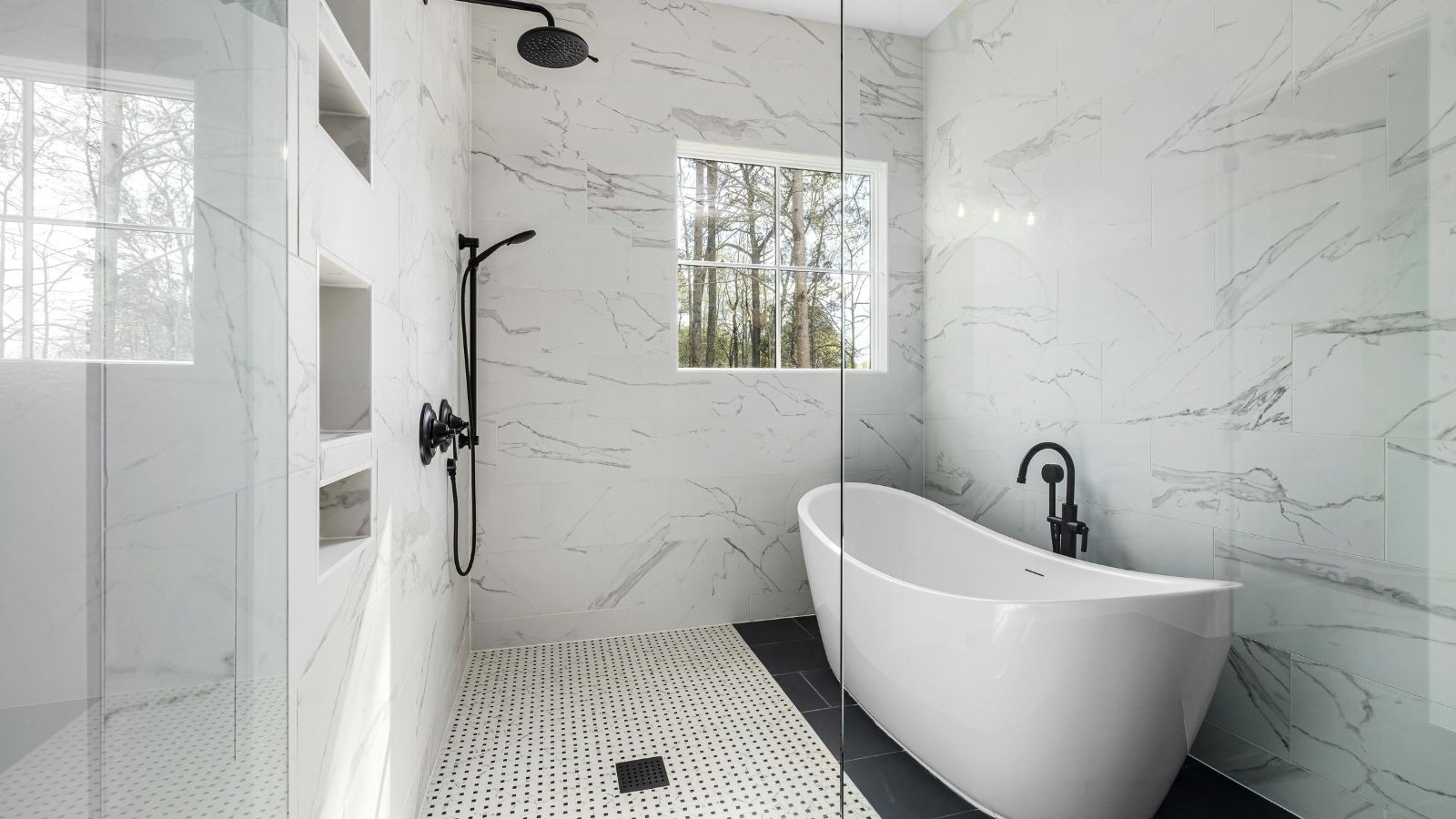
A bathroom renovation is usually focused on visible upgrades: new tiles, a modern vanity, better lighting, or a more comfortable shower layout. But behind the finished look, the plumbing design plays a major role in how easy the bathroom will be to maintain in the future.
A beautiful bathroom can quickly become frustrating if the shut-off valves are hard to reach, the under-sink area is crowded, or the drain connections are difficult to access. Good plumbing planning during renovation does not only help the installation go smoothly. It also makes repairs, inspections, and future fixture replacements much easier.
Here are a few practical ways homeowners can make bathroom plumbing easier to maintain after renovation.
Table of Contents
Toggle1. Keep Shut-Off Valves Easy to Reach
Accessible shut-off valves are one of the most important details in any bathroom renovation. These valves allow you to stop water flow to a sink, toilet, or other fixture without turning off water to the entire home.
For bathroom sinks, shut-off valves are usually located under the vanity. They should be installed where they can be seen and reached easily. Avoid placing storage baskets, drawers, or vanity panels in a way that blocks access. If a leak happens, you do not want to spend several minutes clearing out a cabinet just to turn off the water.
Toilets should also have a clearly accessible shut-off valve near the wall or floor connection. During renovation, check whether the existing valve is old, stiff, corroded, or difficult to turn. Replacing it while the bathroom is already under construction is usually much easier than dealing with it later.
Before ordering supplies, homeowners and contractors can browse plumbing parts from reliable online stores such as PlumbingSell to compare valves, fittings, and supply line options that match the renovation plan.
2. Create a Clean Under-Sink Layout
The area under the bathroom sink often becomes crowded after renovation. Supply lines, drain pipes, shut-off valves, and storage items all compete for space. A clean layout makes the area easier to inspect and maintain.
When planning the vanity, make sure there is enough room for the P-trap, water supply lines, and valve handles. Avoid forcing pipes into tight bends just to fit around drawers or shelves. If the vanity has built-in drawers, confirm the plumbing openings before installation so the drawers do not hit the drain or supply connections.
A simple and organized under-sink layout also makes leaks easier to spot. When pipes are twisted, hidden, or packed behind stored items, small drips may go unnoticed until they damage the cabinet or floor. Keeping the plumbing visible and properly spaced helps homeowners catch problems earlier.
3. Choose the Right Supply Lines
Bathroom fixtures rely on supply lines to deliver hot and cold water. During a renovation, it is worth checking whether the existing supply lines are still in good condition and whether they are the correct size and connection type for the new fixtures.
For faucets, confirm the connection size before installation. Many bathroom faucets use standard connections, but it is still important to match the supply line ends correctly. A mismatch can delay installation or lead to unnecessary adapters.
Flexible braided supply lines are commonly used because they are easier to position in tight spaces. However, they should still be installed neatly, without sharp bends, twisting, or stretching. A supply line that is too short may put stress on the connection, while one that is too long may create a messy layout under the sink.
Planning supply lines before the vanity and faucet are installed can prevent last-minute hardware store trips and reduce the risk of rushed connections.
4. Do Not Forget Drain Access
Drain maintenance is another area that homeowners often overlook during bathroom renovations. Even if the sink and shower drain work perfectly at first, clogs and slow drainage can happen over time.
For bathroom sinks, the P-trap should remain accessible. This allows it to be removed for cleaning if needed. Avoid sealing the drain assembly behind fixed panels or building storage around it in a way that makes access difficult.
For showers or tubs, think about future drain access before the renovation is complete. Some bathrooms allow access from an adjacent wall, ceiling, or service panel. If possible, leave a practical way to reach important drain connections without damaging finished surfaces.
This is especially important in larger renovations where plumbing may be moved. A small access panel may not be the most exciting design feature, but it can save significant time and cost if maintenance is needed later.
5. Plan for Future Fixture Replacement
Bathroom styles change, and fixtures may need to be replaced after years of use. A smart renovation should make future replacement easier, not harder.
When installing faucets, toilets, vanities, or shower fixtures, consider whether the connections are standard and accessible. Using common connection types can make future upgrades simpler. Keeping product information, connection sizes, and installation notes in a folder can also help when repairs or replacements are needed.
For example, if you know the faucet supply connection size, shut-off valve type, and drain size, replacing the fixture later becomes much easier. You will not need to guess or remove parts just to identify what to order.
Homeowners preparing for bathroom projects can check categories like valves, fittings, supply lines, and other plumbing essentials at PlumbingSell before renovation starts. Having the right parts ready helps avoid delays and supports a cleaner installation.
Final Thoughts
A bathroom renovation should not only look good on the day it is finished. It should also be easy to inspect, repair, and upgrade in the years ahead. Accessible shut-off valves, a clean under-sink layout, proper supply lines, drain access, and future-friendly fixture planning all make a real difference.
By thinking about maintenance before the renovation begins, homeowners can avoid many common plumbing frustrations. The result is a bathroom that is not only more attractive, but also more practical, reliable, and easier to manage long after the project is complete.